
Pests and Diseases
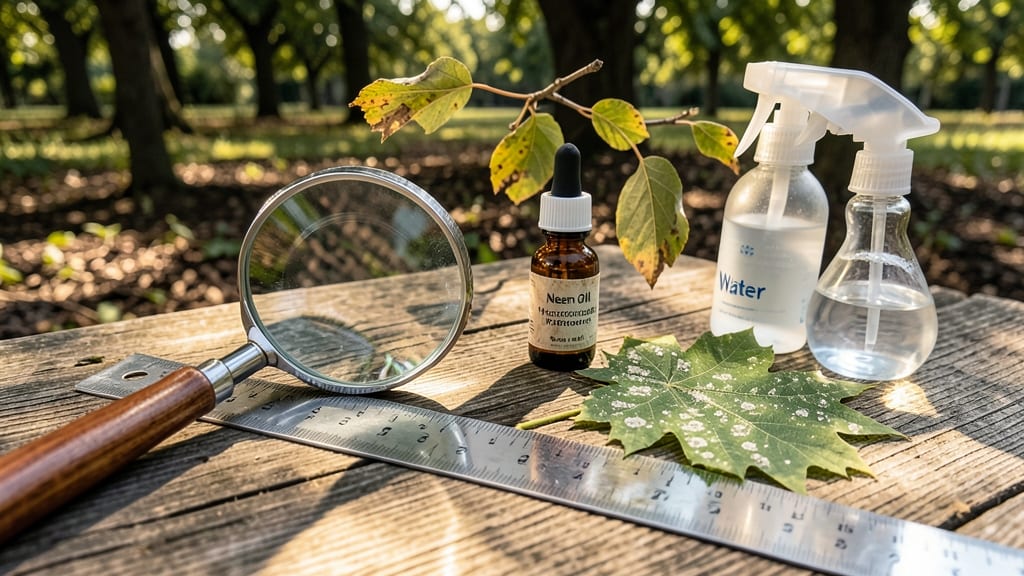
White spots on tree leaves aren’t just unsightly—they’re your trees’ silent SOS. 🌿 I’ve seen powdery mildew turn vibrant foliage into ghostly white patches, and the good news is you can stop it before it spreads.
The first step is identifying whether it’s fungal (like powdery mildew), pest-related (like spider mites), or even a nutrient issue—because each needs a different fix.
Most of the time, those white spots are powdery mildew, a fungal infection that thrives in warm, humid conditions. It starts as tiny white specks on the undersides of leaves and spreads like powdered sugar across the surface.
Other culprits include spider mites (which leave webbing) or even calcium deficiencies—but the fixes are straightforward once you know what you’re dealing with.
You’ll tackle this with a mix of pruning, fungicides (organic or chemical), and better airflow around your trees. Within weeks, you’ll see new growth pushing out clean, green leaves. The key is acting fast—before the spots turn into bare branches.
Works for oaks, maples, fruit trees, and more. Let’s get those leaves back to their best before the next heatwave hits.
Root Causes Behind Leaf Spots
When you spot those puzzling white patches on your tree’s leaves, it’s rarely a coincidence—it’s usually a sign of stress or infection. Understanding the why behind these spots is the first step to treating them effectively.
Below, we break down the most common culprits, from environmental factors to microscopic invaders, with clear explanations and actionable insights.
By far the most frequent cause of white spots on leaves, powdery mildew is a fungal disease that thrives in humid, shaded conditions. Here’s how it works:
- How it spreads: The fungus (Erysiphe or Sphaerotheca species) releases spores that land on leaves, germinating when humidity exceeds 75% for prolonged periods. Unlike rust or blight, powdery mildew doesn’t need water to infect—just a cozy, damp environment.
- Visual clues: The white, powdery coating (like dust) is actually a mass of fungal hyphae and spores. Leaves may also yellow, curl, or drop prematurely if untreated.
- Why it targets certain trees: Host plants like roses, apples, lilacs, and sycamores are particularly susceptible due to dense foliage that traps moisture. Poor air circulation (e.g., overcrowded trees or tight plantings) accelerates outbreaks.
💡 Pro Tip: Check the underside of leaves—if you see fuzzy white webbing, powdery mildew is likely the culprit. Early detection means easier treatment!
Not all white spots are fungal. Sometimes, they’re your tree’s way of signaling distress from environmental factors:
| Cause | How It Happens | Leaf Reaction |
|---|---|---|
| Sun Scorch | Sudden exposure to intense sunlight (e.g., after pruning or transplanting) damages leaf cells, causing white or bleached patches on sun-facing sides. | Spots are often irregular, dry, and crispy to the touch. Common in young trees or those recovering from drought. |
| Mineral Deficiency (Chlorosis) | Lack of magnesium (Mg) or iron (Fe) disrupts chlorophyll production, leading to white or pale spots. Over-alkaline soil (high pH) locks out these nutrients. | Spots start between veins and spread. Yellowing (chlorosis) may precede whitening. |
| Chemical Burn | Overuse of fertilizers (especially high-salt types) or herbicides can scorch leaves, leaving white, dead patches. Even "organic" sprays can cause this if misapplied. | Symptoms appear within days of application, often on leaf edges or tips. |
✨ Actionable Fix: For sun scorch, provide afternoon shade or mulch to retain moisture. For deficiencies, test your soil and amend with chelated iron or Epsom salt (MgSO₄). Always follow fertilizer labels to avoid burns!
Some white spots aren’t fungal at all—they’re physical damage from pests that feed on leaves. Here’s what to watch for:
- Spider Mites: These tiny arachnids suck sap, causing white stippling (tiny dots) on leaves. Heavy infestations lead to a "bronzed" appearance.
- Whiteflies: Their feeding leaves behind sticky honeydew, which attracts sooty mold—a black fungus that creates white-edged patches.
- Caterpillars (e.g., tent caterpillars): Their chewing can create large, irregular white holes or skeletonized leaves.
🔍 How to Confirm: Shake leaves over a white sheet—spider mites look like moving dots, while whiteflies fly away. Check for webbing (tent caterpillars) or honeydew (sticky residue).
Extreme weather can leave trees with white or discolored spots that mimic disease:
- Hail Damage: Bruised leaves develop white or translucent patches where cells are crushed. Often paired with torn edges.
- Frost Burn: Freezing temperatures rupture leaf cells, causing white or grayish areas. Common in early spring or late fall.
- Salt Spray (Coastal Areas): Ocean spray deposits salt crystals on leaves, creating white, crusty spots. Over time, this leads to leaf burn.
🌡️ Recovery Tip: Trees often recover from hail/frost if new growth is healthy. For salt damage, rinse leaves with water (carefully) and mulch to reduce stress.
Fixing White Spots on Leaves
Now that you’ve identified the cause of those pesky white spots—whether it’s powdery mildew, sooty mold, or another culprit—it’s time to take action! The good news? Most of these issues are treatable with simple, natural, or store-bought solutions.
Below, we’ll break down practical fixes for each common cause, plus prevention tips to keep your trees healthy and spot-free for good.
Powdery mildew thrives in humid conditions, but you can outsmart it with these steps:
🔥 Remove Infected Leaves (Prune & Toss)
- How to do it: Use clean, sharp pruners to trim heavily infected leaves or branches.
Dispose of them in the trash (not compost)—this stops the fungus from spreading. - Pro tip: 💡 Focus on lower branches and crowded areas where airflow is poor.
🍳 Homemade Sprays (Safe & Effective)
Mix one of these in a spray bottle and apply early morning or late evening (when humidity is lower): - Baking soda spray: 1 tsp baking soda + 1 tsp dish soap + 1 quart water.
Shake well before use. - Neem oil solution: 1 tbsp neem oil + 1 tsp mild soap + 1 quart water. Shake and spray every 7–10 days. - Milk spray (yes, really!): 1 part milk to 9 parts water. Spray on leaves to build resistance.
👨🍳 Improve Airflow & Light
- Space plants: Thin out overcrowded branches or nearby shrubs.
- Water at the base: Avoid wetting leaves (use drip irrigation or soaker hoses).
- Prune for sunlight: Trim branches blocking light to dry leaves faster.
🌡️ Fungicide (For Severe Cases)
If mildew persists, try an organic fungicide like:
- Sulfur-based sprays (follow label instructions—sulfur can burn leaves if overused).
- Potassium bicarbonate sprays (e.g., Safer® Garden Fungicide).
Sooty mold isn’t the real problem—it’s a symptom of sap-sucking pests like aphids or scale insects. Kill the pests first!
🔪 Blast Off Pests with Water
- How to do it: Use a strong jet of water (from a hose nozzle) to knock pests off leaves. Repeat weekly.
🍳 Natural Pest Repellents
- Insecticidal soap: Mix 1 tbsp mild soap + 1 quart water. Spray directly on pests.
- Neem oil: Same recipe as above—spray both sides of leaves where pests hide.
- Beneficial insects: Release ladybugs or lacewings to eat aphids naturally.
🧼 Clean Leaves Thoroughly
- Wipe down leaves with a damp cloth or soft brush to remove sooty mold.
- Hose off trees occasionally to wash away buildup.
If white spots are from pests like spider mites, act fast—they multiply quickly!
🕷️ DIY Spider Mite Spray
- Mix: 1 tsp dish soap + 1 quart water. Spray both leaf sides and repeat every 3–5 days.
- Alternative: Horticultural oil (apply when temps are above 50°F).
🌿 Encourage Predators
- Plant companion flowers (like marigolds or dill) to attract predatory wasps and lacewings.
- Avoid broad-spectrum pesticides—they kill beneficial bugs too!
🌡️ Adjust Humidity
Spider mites love dry conditions. Increase humidity with:
- Misting leaves (early morning).
- Pebble trays under pots.
- Grouping plants together.
Once you’ve treated the issue, stop it from coming back with these habits:
- 💡 Prune regularly to improve airflow and sunlight.
- 🌡️ Water wisely: Early morning at the base, not overhead.
- 🍄 Space plants 3–5 feet apart for better circulation.
- 🌿 Clean up debris (fallen leaves, branches) in autumn.
- ✨ Monitor weekly: Check leaves for early signs of pests or mold.
If white spots spread rapidly despite treatment, consult a local arborist or extension service for stronger solutions (like systemic fungicides).
Remember: Most white spot issues are preventable with consistent care. Start with these fixes, and your trees will be back to their lush, green selves in no time! 🌿💚
Frequently asked questions about white spots on tree leaves
Are white spots on tree leaves always a sign of disease?
Not always! While powdery mildew and fungal infections are common causes, white spots can also result from environmental stress like sun scorch, mineral deficiencies (especially magnesium or iron), or physical damage from pests such as spider mites. Always check for accompanying symptoms like webbing, sticky residue, or leaf curling to narrow down the cause.
How do I tell if white spots are powdery mildew or something else?
Powdery mildew appears as a white, powdery coating (like dust) that’s easily wiped off but reappears. Look for fuzzy growth on the undersides of leaves and check for yellowing or curling. If the spots are more scattered, dry, or accompanied by webbing, it could be spider mites or sun damage instead. A magnifying glass helps spot the differences.
Can I use household items to treat white spots on leaves?
For powdery mildew, try a baking soda spray (1 tsp baking soda + 1 tsp dish soap + 1 quart water) or neem oil solution (1 tbsp neem oil + 1 tsp soap + 1 quart water). For pests like spider mites, a mix of 1 tsp dish soap and 1 quart water works well. Always test sprays on a small area first and apply in the early morning or evening when humidity is lower.
Will pruning help stop white spots from spreading?
Yes! Pruning removes infected leaves and improves airflow, which is crucial for preventing fungal spread. Focus on lower branches and crowded areas where humidity builds up. Dispose of pruned leaves in the trash (not compost) to avoid reinfecting your garden. Thin out overcrowded branches to let sunlight and air reach all parts of the tree.
How often should I check my trees for white spots?
Monitor your trees weekly during growing seasons (spring to fall), especially after rain or high humidity. Early detection makes treatment easier! Pay extra attention to the undersides of leaves, where many pests and fungi first appear. If you notice spots, act within a few days to prevent spread—most issues respond well to quick action.