
Pruning
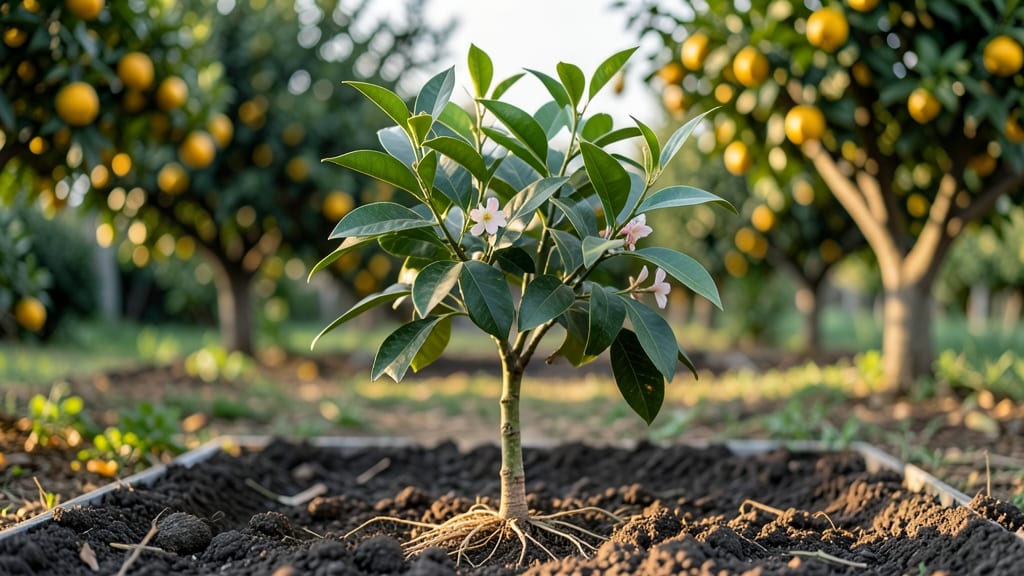
Growing an orange tree from a seedling feels like magic—especially when you speed up sprouting with cold stratification. 🌱 I’ve watched tiny seeds transform into sturdy seedlings in just 4 weeks, and the key is mimicking nature’s winter chill.
This method works for sweet orange, mandarin, or even Meyer lemon seeds, giving you a head start on a citrus tree that could live for decades.
The secret isn’t complicated: a mix of well-draining potting soil and a little patience. You’ll need a small pot, a plastic bag, and a fridge—no fancy equipment. The real trick is keeping the soil damp (not soggy) while the seedling develops roots.
Once those first leaves appear, you’ll be ready to transplant into a larger container or garden bed, depending on your climate.
By the time your seedling hits 6 inches tall, you’ll be pinching back new growth to encourage bushiness. The smell of fresh citrus leaves alone is worth the wait, and with proper care, you could be harvesting small oranges in 3-5 years.
Even in colder zones, a container-grown tree can thrive on a sunny patio or indoors near a bright window.
Here’s where it gets interesting—citrus trees are surprisingly forgiving once established. They handle occasional drought better than overwatering, and a balanced fertilizer keeps them lush. The biggest challenge?
Pests like aphids or scale, but a strong spray of water usually sends them packing. Ready to turn that seed into a sunlit centerpiece?
📚 In This Guide
- What you need
- Instructions
- Tips and common mistakes
- Wrapping up and next steps
What you need
- ● Orange seeds: 3–5 fresh, plump seeds (from a ripe, organic orange—avoid seedless varieties!).
- ● Cold-stratification supplies: 1 small paper towel or dampened coffee filter
- ● 1 resealable plastic bag (quart-sized)
- ● 1 refrigerator with a crisper drawer (or a cool, dark spot like a basement)
- ● Growing medium: 1 small pot (4–6 inches in diameter) with drainage holes
- ● High-quality seed-starting mix (sterile, peat-based, or coco coir blend)
- ● Watering tools: Spray bottle (for gentle moisture)
- ● Small watering can (with a fine rose nozzle)
- ● Light source: Grow lights (LED or fluorescent, 12–16 inches above seedlings) or a sunny windowsill (south-facing, 6+ hours of light/day).
- ○ Humidity dome or plastic wrap: (Optional but highly recommended for humidity retention during germination.)
- ● pH testing kit (ideal soil pH: 6.0–7.0 for citrus)
- ● Heating mat (70–75°F for faster germination)
- ● Small fan (for airflow to prevent mold)
- ● Fertilizer: Balanced citrus fertilizer (e.g., 6-6-6 or 8-3-9) or diluted seaweed extract
- ● Plant labels and markers (to track seedling progress!)
Step-by-step instructions for cold-stratifying orange tree seeds
Here's how I reliably break seed dormancy and coax those first sprouts in just 4 weeks.
🌱 Step 1: Extract and Prepare the Seeds
Start with fresh, plump orange seeds—dried-out seeds won't germinate. Cut open the orange and carefully remove the seeds, rinsing them under cool water to remove any pulp residue. This prevents mold and ensures clean germination. I like to soak them overnight in a glass of water to soften the outer coating, which speeds up the cold-stratification process.
After soaking, place the seeds between two paper towels and fold them into a loose packet. This keeps them contained while allowing airflow. Label the packet with the date—you'll track your 4-week timeline from this point. The seeds should feel damp but not wet; squeeze gently to check moisture levels.
🧊 Step 2: Cold-Stratify for 3 Weeks
Place the seed packet in a resealable plastic bag and store it in your refrigerator's crisper drawer, where temperatures hover around 35-40°F. This cold treatment mimics winter conditions, breaking the seed's dormancy. I check the packet weekly to ensure it stays damp—if the towels dry out, mist them lightly with water.
Cold-stratification is the critical step for citrus seeds. Without it, germination rates drop dramatically. You'll see no visible changes during this period, but internally, the seed is preparing to sprout. After 3 weeks, remove the packet and let it sit at room temperature for 24 hours to acclimate.
☀️ Step 3: Plant in Moistened Starting Mix
Fill small pots—3-4 inches deep—with a well-draining seed-starting mix. I use a blend of 50% peat moss and 50% perlite to prevent root rot. Moisten the mix until it feels like a damp sponge, then plant each seed about ½ inch deep. Gently press the soil around the seed to ensure good contact.
Place the pots in a warm, bright location where temperatures stay between 65-75°F. A seedling heat mat helps maintain consistent warmth, especially if your home runs cooler. Keep the soil evenly moist—never soggy—by watering from the bottom when the top inch feels dry to the touch.
🌿 Step 4: Monitor for Sprouts and Transplant
Germination typically occurs within 7-14 days after planting, but patience is key. You'll spot the first signs of life as tiny white roots emerge, followed by a small shoot breaking through the soil. Once the seedlings reach 2-3 inches tall and develop their first true leaves, it's time to transplant them into slightly larger pots.
Handle seedlings carefully—they're delicate at this stage. Use a small spoon or your fingers to loosen the soil around the roots before transferring them to 5-inch pots with fresh potting mix. Place the pots in indirect light for a week to help them adjust, then gradually introduce them to brighter conditions.
Tips & tricks for perfect orange tree seedling growth
Here's what I've learned after successfully growing citrus seedlings for years—these little details make all the difference.
Seed Selection Matters: Choose seeds from fully ripe, organic oranges when possible. Conventional oranges often have chemical residues that can inhibit germination. I always test multiple seeds since not all will sprout—aim for 3-4 seeds per pot to increase your success rate. The larger and plumper the seeds, the better your chances of breaking dormancy successfully.
Cold-Stratification Precision: The 35-40°F temperature range in your refrigerator's crisper drawer is critical—any warmer and the seeds won't break dormancy properly. I place my seed packets on the middle shelf where temps are most stable. During the 3-week period, I check moisture weekly by lifting the packet and feeling the weight—it should feel like a wrung-out sponge, not dry paper. This consistent moisture is what triggers the internal changes needed for germination.
Transplant Timing Secret: When you're ready to transplant those 2-3 inch seedlings into 5-inch pots, don't rush the process. The first week in indirect light is crucial for their adjustment. I place my seedlings on an east-facing windowsill where they get gentle morning sunlight without the harsh afternoon rays. This gradual introduction prevents shock that could stunt their growth. Remember, citrus seedlings are tropical plants—they need warmth and gentle light to thrive.
Soil Mix Upgrade: While the 50% peat moss and 50% perlite mix works well, I've found adding 10% coco coir improves moisture retention without compacting the soil. This blend prevents the common issue of soggy bottoms while still providing excellent drainage. The coco coir also adds beneficial microbes that help young seedlings establish themselves faster. Just be sure to sterilize your mix by baking it at 200°F for 30 minutes before use to kill any potential pathogens.
Pro Tips for Orange Tree Seedling
- Here's what I've learned after successfully growing citrus seedlings for years—these little details make all the diff...
- Seed Selection Matters: Choose seeds from fully ripe, organic oranges when possible. Conventional oranges often have ...
- Cold-Stratification Precision: The 35-40°F temperature range in your refrigerator's crisper drawer is critical—any wa...
Frequently asked questions
Got questions about nurturing your orange tree seedling? You’re not alone! Here are answers to the most common queries—from timing to troubleshooting—to help you grow a thriving citrus tree with confidence.
How long does it take for an orange seedling to sprout after cold stratification?
With proper cold stratification (4–6 weeks in the fridge), most orange seeds sprout within 1–3 weeks after planting. Patience is key—some varieties may take slightly longer, especially if moisture or warmth fluctuates. Keep the soil consistently damp (not soggy) and place the pot in a warm, sunny spot (70–80°F) to encourage faster germination.
Can I skip cold stratification and plant the seed directly?
Technically yes, but your success rate drops dramatically. Cold stratification mimics winter conditions, breaking seed dormancy and boosting germination from ~30% to 80–90%. If you’re impatient, try soaking seeds in warm water for 24 hours first—though stratification still yields better, healthier seedlings. Pro tip: Use a seedling heat mat (75°F) to speed up post-stratification growth!
Why isn’t my orange seedling growing leaves after sprouting?
Don’t panic! Seedlings often focus on root growth first. If your sprout has no true leaves (oval, glossy) after 4–6 weeks, check these fixes:
- Light: Move it to a south-facing window or under a grow light (12–14 hours/day).
- Temperature: Keep it above 60°F—cold stunts growth.
- Soil: Ensure it’s well-draining (50% potting mix + 50% perlite).
- Patience: Some citrus seedlings take 8–12 weeks to develop leaves.
Will my seedling actually produce oranges, or is it just for decoration?
Most orange tree seedlings grown from grocery-store seeds are sweet oranges (Citrus sinensis), but they’re not true to the parent tree’s variety. Expect small, tart, or seedy fruit after 5–10 years (if grown indoors) or 3–5 years outdoors in warm climates (USDA Zones 9–11). For faster, predictable fruit, graft a known variety onto your seedling later!
How do I protect my seedling from pests or diseases?
Citrus seedlings are vulnerable to aphids, spider mites, and fungal issues like root rot. Prevent problems with these steps:
- Prevention: Spray leaves with neem oil (1 tsp per quart of water) weekly.
- Watering: Water at the base only (avoid wetting leaves to prevent mildew).
- Inspect: Check undersides of leaves for pests every 3 days.
- Soil: Use a sterilized potting mix to avoid fungal spores.
Wrapping up and next steps
Growing an orange tree seedling from cold-stratified sprouting is a rewarding journey that blends patience with nature’s magic! 🌱 With the right materials, a little care, and a 4-week timeline, you’re well on your way to nurturing a thriving citrus sapling.
Whether you’re a green thumb or a curious beginner, this process proves that even the smallest seed can yield big results.
Ready to take the next step? Once your seedling sprouts, transplant it into a pot with well-draining soil and place it in bright, indirect sunlight. Keep an eye on its progress—soon, you’ll be harvesting sweet oranges of your own! 🍊