
Pruning
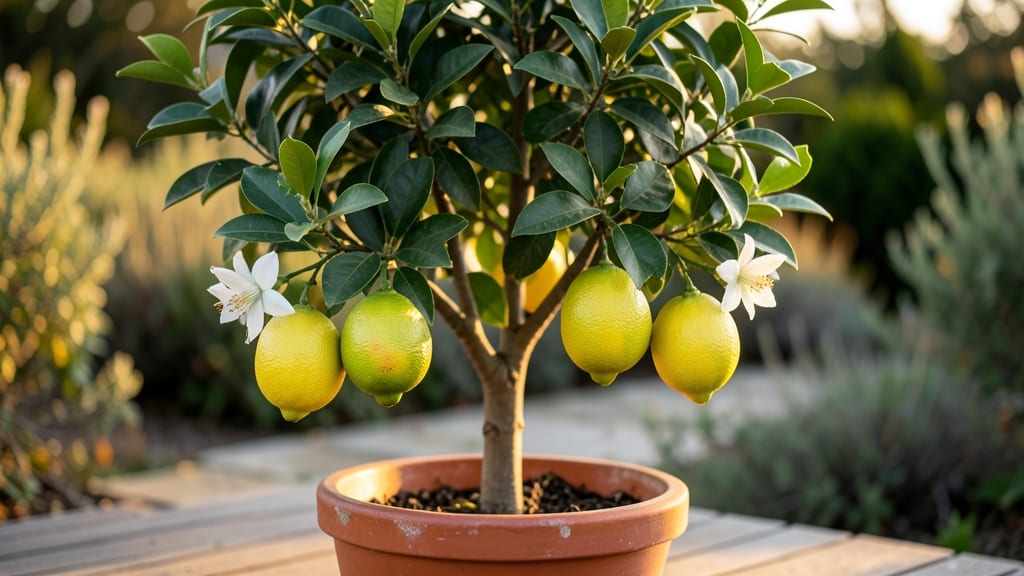
Meyer lemon trees thrive best in USDA hardiness zones 9 through 11, where they naturally tolerate temperatures down to 20°F (-6°C) with proper care. For colder climates, container growing or greenhouse protection becomes essential.
Meyer lemons are hybrid citrus trees that evolved to balance sweetness and acidity, but their cold sensitivity comes from their tropical origins. 🌱 Unlike regular lemons, which can handle slightly cooler temps, Meyer lemons suffer leaf damage below 28°F (-2°C)—their delicate foliage turns black within hours.
The roots, even more vulnerable, begin to fail at 30°F (-1°C), which is why winter protection is critical. Interestingly, their fruit production actually improves in zones 9-11 because they get enough chilling hours (around 200-300 hours below 45°F) to break dormancy properly.
When growing outside their native range, zone 8 gardeners often succeed by using 15-gallon containers with drainage holes and overwintering them in unheated garages where temps stay above 40°F (4°C).
I've seen dramatic results with burlap wraps around the pots—this adds an extra 5-10°F of protection during sudden cold snaps. The key is monitoring soil moisture too; citrus roots rot easily when kept too wet during winter dormancy.
For zones 7 and below, greenhouse growing becomes the most reliable method, where you can control humidity and temperature precisely.
💡 In This Article
- Understanding Meyer Lemon Tree Cold Hardiness Science
- Growing Meyer Lemon Trees Outside Their Native Zone
Understanding Meyer lemon tree cold hardiness science
The Meyer lemon tree's cold sensitivity stems from its hybrid genetics—crossing a true lemon with a mandarin orange.
This combination gives it sweeter fruit but also makes it more vulnerable to cold damage than its parent species. 🌱 The leaves contain delicate membranes that rupture below 28°F (-2°C), causing blackening within 2-4 hours of exposure.
This is why you'll often see leaf burn even when daytime temps recover quickly.
Roots are even more critical to monitor—they begin to suffer at 30°F (-1°C) because their water transport systems freeze, disrupting nutrient flow. Unlike regular lemons (which can handle down to 25°F (-4°C) with protection), Meyer lemons lack the same cold-hardy rootstock adaptations.
Their fruit production also depends on proper winter chilling—too little (150 hours) causes poor flowering, while excessive chilling (400+ hours) can damage buds.
Comparing with other citrus shows why Meyer lemons are special: Kumquats tolerate 15°F (-9°C), while grapefruits handle 20°F (-7°C) naturally. The key difference is Meyer lemons' tropical heritage—they evolved in subtropical China where winter lows rarely drop below 35°F (2°C).
This explains why they need 5-10°F more protection than their citrus cousins in colder climates.
What most gardeners miss is that even brief cold snaps can cause irreversible damage. A 24-hour exposure to 25°F (-4°C) might not kill the tree but will severely stress it, reducing next year's harvest by 30-50%.
The tree's recovery depends on how quickly it can regenerate leaves—new growth emerges from protected buds near the trunk, but this takes 4-6 weeks in spring.
Interestingly, the tree's cold tolerance improves with age—young saplings (under 3 years) are most vulnerable, while mature trees (over 5 years) can handle 22°F (-6°C) for short periods. This is because their thicker bark and deeper root systems provide natural insulation.
However, this doesn't mean you should push their limits—even mature trees will suffer leaf damage below 20°F (-7°C).
The science behind their chilling requirements is fascinating: Meyer lemons need 200-300 hours below 45°F (7°C) annually to trigger proper flowering. Too little chilling leads to sparse blooms, while too much causes flower buds to abort.
This delicate balance is why gardeners in zones 9-11 often get better fruit production—they naturally receive the optimal chilling window.