
Blooming
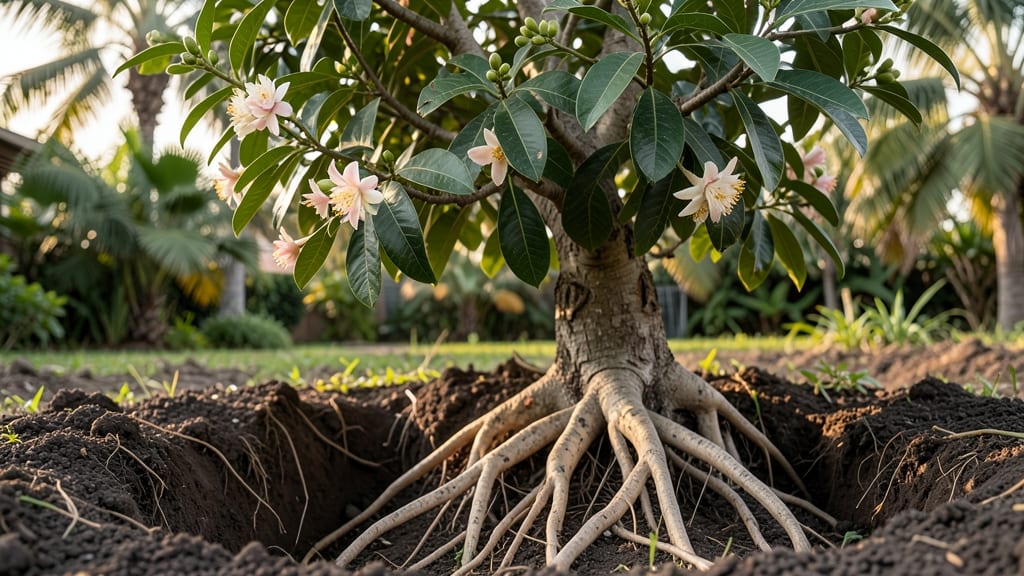
Understanding your mango tree’s flowering stages 🥭 is the key to predicting fruit set and maximizing harvests—each month brings critical changes from bud formation to potential fruit.
Watching your mango tree bloom can feel like waiting for a tropical vacation—but knowing the exact flowering stages helps you predict fruit set and maximize harvests. Each month brings critical changes, from delicate panicles to potential fruit development.
If you’ve ever wondered why your tree flowers but never sets fruit, the answer lies in these stages. Temperature, daylight, and even pruning habits play a role in whether those blossoms turn into sweet, juicy mangoes.
In this guide, I’ll walk you through what to expect each month, how to encourage healthy flowering, and common mistakes that could ruin your harvest before it even starts.
Mango tree flowering stages by month: a seasonal breakdown
Understanding your mango tree's flowering stages is the key to predicting fruit set and maximizing your harvest. Mango trees typically bloom in late winter to early spring, but the exact timing depends on your climate zone and variety.
Each month brings distinct changes—from panicle formation to pollination windows—that directly impact fruit development. By recognizing these stages, you can optimize care and avoid common mistakes that reduce yields.
In tropical regions, flowering often begins as early as January or February, while in subtropical zones, it may start later, around March or April. The process unfolds over several months, with critical windows for hand-pollination if natural pollinators are scarce.
Pay attention to visual cues like bud color shifts, flower drop patterns, and new growth—these signals reveal whether your tree is progressing normally or facing stress.
The following monthly breakdown covers the key stages of mango flowering, including panicle development, bloom timing, and fruit set triggers. Use this guide to time your care routines—like fertilization and pruning—for the best results.
Whether you're a first-time grower or a seasoned tropical gardener, these insights will help you steer your mango tree toward a bountiful harvest.
In January and February, your mango tree begins forming panicles—those distinctive clusters of buds that will become flowers. Look for tiny green buds along the branches, a sign that the tree is preparing for its reproductive cycle.
This stage is heavily influenced by temperature fluctuations, particularly warm days followed by cooler nights. If your region experiences unseasonal cold snaps, the buds may drop prematurely, so consider protecting young trees with frost cloth if needed.
By March, the buds begin to swell noticeably, often turning a faint pinkish hue. This is your cue to adjust fertilization—reduce nitrogen to prevent excessive leaf growth at the expense of flowering.
Instead, focus on phosphorus and potassium, which support root and flower development. Watch for daylight length increasing to 12+ hours, a natural trigger for mango trees to push into full bloom.
April marks the peak flowering period, when your tree bursts into white or pale pink blossoms. This is the most visually stunning stage, but also the most critical for fruit set success.
If you notice few pollinators (like bees or wasps), consider hand-pollinating with a soft brush to transfer pollen between flowers. Stable temperatures between 70°F and 85°F during this month create ideal conditions for pollination and fertilization.
As flowers wilt in May, you’ll see the first signs of fruit formation—tiny green mangoes beginning to develop. This is also the pollination window closure, meaning any flowers that haven’t been pollinated will drop.
Thin out excess fruits early to ensure the remaining ones receive adequate nutrients. Thinning is crucial, as overloaded branches can lead to smaller, lower-quality mangoes or even branch breakage.
The fruit set stage, spanning June
How to encourage healthy flowering and prevent common mistakes
Your mango tree needs precise care during flowering to ensure abundant fruit set. The key lies in balancing pruning, fertilization, and environmental conditions. Overdoing nitrogen-rich fertilizers can trigger lush foliage but delay blooms, while temperature stress disrupts pollination.
Let’s explore proven techniques to optimize flowering while avoiding costly mistakes.
Start with strategic pruning—remove dead branches and thin dense growth to improve air circulation. This reduces humidity stress and helps flowers develop. Prune in late winter or early spring, just before buds swell. Avoid heavy pruning during flowering, as it can shock the tree and drop buds prematurely.
Fertilization timing is critical. Use a balanced 10-10-10 NPK fertilizer in early spring and again after fruit set. Over-fertilizing with nitrogen (like lawn fertilizer) will produce more leaves but fewer flowers. Instead, opt for phosphorus-heavy fertilizers to encourage blooming. Apply in the morning to prevent leaf burn.
Environmental adjustments make a huge difference. Mango trees thrive in warm temperatures (75-85°F) and need 6+ hours of sunlight daily. If your tree is in a cooler climate, consider microclimate protection, like windbreaks or row covers, to shield flowers from chilly winds.
Mulch the base with organic matter to retain moisture and regulate soil temperature.
Pros and Cons of Common Flowering Techniques
✅ Pruning for Airflow
- Pros: Reduces disease risk, improves light penetration
- Cons: Over-pruning can stress the tree
✅ Phosphorus Fertilizer
- Pros: Boosts flowering, supports root growth
- Cons: Excess can cause salt buildup in soil
✅ Mulching
- Pros: Retains moisture, regulates soil temp
- Cons: Too much can suffocate roots
❌ Over-Fertilizing
- Pros: None (only harms the tree)
- Cons: Burns roots, delays flowering, attracts pests
❌ Ignoring Temperature Stress
- Pros: None (disrupts pollination)
- Cons: Causes bud drop, weakens fruit set
Watch for pests like aphids or thrips, which can damage flowers and reduce fruit set. Use neem oil or insecticidal soap as a preventive spray. If you notice yellowing leaves or stunted growth, it may signal nutrient deficiency or root rot. Adjust care immediately—healthy foliage supports better flowering.
Finally, monitor your tree’s watering schedule. Deep watering once weekly (10-15 gallons) is ideal, but avoid soggy soil. Overwatering in flowering stages can lead to bud rot. If your tree is in a container, ensure the pot has drainage holes and use a well-draining potting mix.
With these adjustments, your mango tree will reward you with vibrant blooms and a bountiful harvest. Patience and precision pay off—just like in any great garden! 🌱🌸🥭