
How To
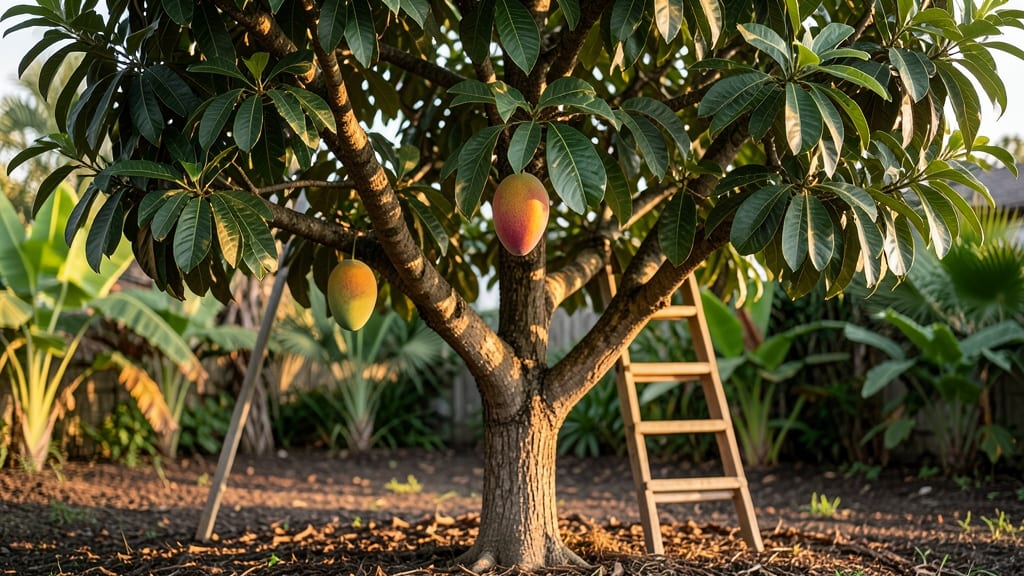
A mango tree grows anywhere from 20 to 100 feet tall, depending on the variety and growing conditions—so if you’re planning your backyard oasis, space matters!
Imagine a 60-foot tropical giant casting shade over your patio or a compact 10-foot dwarf variety perfect for containers. The difference isn’t just about aesthetics; it shapes how you prune, where you plant, and even whether you’ll need a ladder to pick fruit.
Standard varieties like 'Haden' or 'Keitt' can soar like skyscrapers, while dwarf types like 'Cogshall' stay manageable for smaller yards. Below, we break down the exact heights by variety, how climate affects growth, and pruning tricks to keep your tree at your ideal height.
Whether you’re dreaming of a commercial orchard or just want a shady backyard centerpiece, knowing these details is the key to success—no guesswork, just science-backed growth.


Mango tree height by variety: from dwarf to giant species
Choosing the right mango tree variety depends on your space and goals. Some varieties grow taller than a 5-story building, while others stay compact enough for containers. The mature height varies dramatically—from 10-foot dwarf varieties to 100-foot giants.
Below, I’ve broken down the most popular varieties with their exact heights, growth rates, and spacing needs to help you plan your tropical oasis.
If you’re growing mangoes in containers or small yards, dwarf varieties like 'Cogshall' or 'Julie' are perfect. For commercial orchards or large properties, standard varieties like 'Keitt' or 'Alphonso' will dominate your landscape.
Each variety also has unique growth rates—some reach maturity in 5 years, while others take a decade or more.