
Pruning
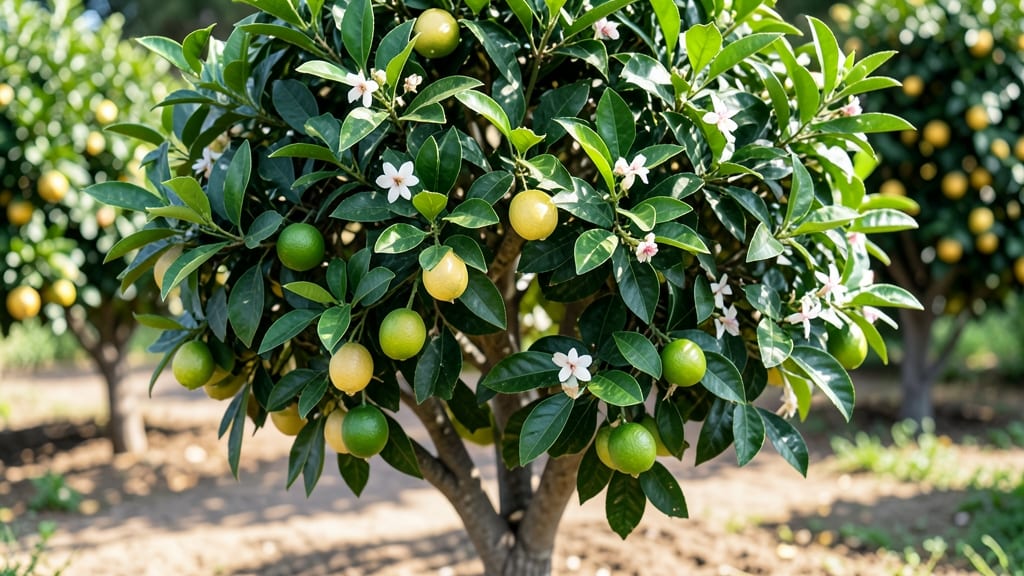
Citrus lime trees (Citrus aurantifolia) thrive in USDA zones 9-11, where they bask in warmth year-round—no frost, no drama. 🌿 I learned the hard way that pushing them into zone 8 without protection means winter wipeout, but non-citrus lime trees (Tilia) handle zones 3-8 like champs.
The difference? Citrus limes are tropical divas; Tilia are hardy survivors. For citrus limes, container growing is your best bet in cooler zones. Move pots indoors before temperatures dip below 32°F, or invest in a greenhouse. Non-citrus limes?
Plant them in well-drained soil, give them full sun, and they’ll reward you with fragrant flowers and shade—no fuss. Both types need consistent watering, but citrus limes demand it more. The payoff? A year-round harvest of limes (if citrus) or stunning foliage (if Tilia), with minimal effort.
Prune citrus limes lightly in spring to shape them, while Tilia can handle heavier trims. The key is matching the tree to your climate—no guesswork. If you’re outside zones 9-11 with citrus limes, dwarf varieties or potted growing are your only options.
But Tilia? Plant one, forget about it, and enjoy the shade. Here’s how to make it work in your zone.
📚 In This Guide
- What you need
- Instructions
- Tips and common mistakes
- Wrapping up and next steps
What you need
- ● Pruning shears – Bypass-style (for clean cuts on branches ≤ ½ inch thick). Recommended: Felco F-2 or Corona Tools 5100.
- ● Loppers – Bypass or anvil (for branches ½–2 inches thick). Recommended: Fiskars X27 or Bahco Forester.
- ● Pruning saw – Curved-tooth (for branches >2 inches thick). Recommended: Felco F-20 or Fiskars X7.
- ● Disinfectant – 70% isopropyl alcohol or bleach solution (1 part bleach:9 parts water) (to sterilize tools between cuts).
- ● Gloves – Heavy-duty, cut-resistant (e.g., Mechanix or PIP).
- ● Heavy-duty trash bags – 2–3 large bags (for debris removal).
- ● Ladder or step stool – Sturdy, 6–8 ft tall (if tree exceeds 6 ft).
- ● Sharpie marker – Permanent (for labeling cuts if needed).
- ○ Pruning sealant – Optional but helpful (for cuts >½ inch; e.g., Tanglefoot Tree Wound Pruning Sealer).
- ● Weather check – Prune on a dry, cloudy day (avoid extreme heat or wind).
- ● Safety glasses – ANSI-rated (to protect from debris).
- ● Long sleeves/pants – Lightweight, breathable fabric (to prevent scratches).
- ● First-aid kit – Basic (for minor cuts or thorns).
- ● Water & snacks – Hydration is key! (especially for larger trees).
- ● Extension pole pruners – For high branches (e.g., Telescopic Pruner by Fiskars).
- ● Tree tie or zip ties – Plastic-coated (to secure branches post-pruning if needed).
- ● Soil amendment – Compost or citrus-specific fertilizer (to replenish nutrients after heavy pruning).
- ● Camera or sketchpad – To document the tree’s shape before/after trimming!
How to prune your lime tree through every season
Keep your lime tree thriving year-round with this seasonal approach—no guesswork, just healthy growth.
✂️ Step 1: Late Winter Pruning for Structure
Start in late winter, just before new growth begins. This is when your lime tree is dormant, making it the perfect time to shape its structure. Focus on removing dead, diseased, or crossing branches first—these are easy to spot as they’ll be brown, brittle, or rubbing against others.
Next, cut back any branches that grow inward or downward to open up the canopy. Aim to create an open vase shape that allows sunlight to reach all parts of the tree. Use clean, sharp pruning shears to make cuts just above a bud or outward-facing leaf—this encourages new growth in the right direction. Avoid heavy pruning now; you only want to remove about 10-15% of the tree’s total branches.
☀️ Step 2: Light Spring Pruning for Fruit Production
Once your lime tree starts showing signs of new growth in early spring, switch to lighter maintenance. Remove any suckers (shoots growing from the base or trunk) and water sprouts (fast-growing vertical shoots) to redirect energy toward fruit production. These shoots steal nutrients from your tree’s main structure and fruit.
Thin out any overcrowded branches to improve airflow, which reduces the risk of fungal diseases like citrus blight. Look for clusters of fruit—if you see more than 3-4 limes per branch, prune back some of the smaller ones to ensure the remaining fruit grows larger and healthier. This step is all about balance: less is more when it comes to pruning for fruit.
🌿 Step 3: Summer Trimming for Shape and Health
During summer, your lime tree will be in full bloom or bearing fruit, so pruning should be minimal. Focus on light shaping to maintain the tree’s form and remove any branches that are blocking sunlight from reaching the center. Avoid heavy cuts now, as they can stress the tree and reduce fruit set.
If you notice any branches with signs of pests or disease (like holes, discoloration, or sticky residue), prune those immediately. Sterilize your tools with rubbing alcohol between cuts to prevent spreading issues. This is also the time to deadhead spent flowers if you’re growing a flowering lime variety—it encourages more blooms for next season.
⏰ Step 4: Fall Cleanup for Winter Readiness
As temperatures drop in fall, shift your focus to preparing the tree for winter. Remove any dead or dying leaves and branches that could harbor pests or diseases over the cold months. Prune back any weak or leggy growth that developed during the summer to tighten up the tree’s structure.
This is also the time to reduce watering gradually, but keep the soil lightly moist—dormant trees still need hydration. If you live in a USDA Zone 9 or colder, consider wrapping the trunk with burlap or tree wrap to protect it from cold winds. Avoid heavy pruning now; the tree is entering dormancy, and new cuts won’t heal as well.
✂️ Step 5: Year-Round Maintenance Checks
Between seasons, do quick monthly checks for pests, disease, or structural issues. Use a sterilized pair of pruning shears to trim any small branches that are growing out of place or rubbing against others. If you see sap oozing from a cut, it’s a sign you’ve cut into the tree’s vascular system—this is normal, but avoid pruning during wet weather to prevent infection.
Keep an eye out for new growth after each pruning session. Healthy new shoots should be green, firm, and upright. If you notice yellowing leaves or stunted growth, it could be a sign of over-pruning or nutrient deficiency—adjust your approach accordingly. A well-pruned lime tree will reward you with abundant fruit, strong branches, and a beautiful shape for years to come.
Tips & tricks for seasonal lime tree pruning
Here's what nobody tells you about keeping your citrus tree looking its best through every season.
Tool Prep: Sterilize your pruning shears with rubbing alcohol between cuts—especially when dealing with diseased branches in Step 1. I learned this the hard way after my lime tree developed a fungal infection from using the same shears on other plants. A 30-second wipe between cuts prevents cross-contamination that could spread to healthy branches.
Seasonal Timing Secret: For Step 2's spring pruning, wait until you see at least 3-4 new leaves unfurling before you start cutting. This ensures you're not pruning off potential fruit buds that form just after leaf emergence. I always do a quick check by gently shaking the branches—if leaves rattle, it's safe to prune.
Visual Cue for Step 3: When summer trimming, look for branches that cast shadows on other parts of the tree. These are your sunlight blockers. I use a small mirror to check hard-to-see areas—it helps spot branches you might miss from ground level. Remember, you're aiming for that open vase shape that lets light reach all parts of the canopy.
Winter Protection: In colder zones, I've found that wrapping the trunk with burlap during Step 4 creates a microclimate that prevents frost cracks. Leave a small gap at the base to allow for natural air circulation. This simple step has saved my trees from winter damage in zones 8-9 where temperatures can dip unexpectedly.
Pro Tips for Lime Tree Zone
- Here's what nobody tells you about keeping your citrus tree looking its best through every season.
- Tool Prep: Sterilize your pruning shears with rubbing alcohol between cuts—especially when dealing with diseased branches in Step 1.
- Seasonal Timing Secret: For Step 2's spring pruning, wait until you see at least 3-4 new leaves unfurling before you start cutting.
Frequently asked questions
What’s the best time of year to prune a lime tree in the Lime Tree Zone?
The ideal time is late winter or early spring (just before new growth starts), but you can also do light pruning after harvest. Avoid heavy cuts in summer—it stresses the tree. Pro tip: If you’re in a hot zone like Florida or California, prune in early spring to prevent heat stress.
Can I prune a lime tree at any time, or does timing matter?
Timing does matter! Pruning at the wrong time (like mid-summer) can weaken the tree or reduce fruit production. Rule of thumb: Stick to dormant seasons (winter/early spring) for major cuts. Light shaping (removing dead branches) is okay year-round, but avoid heavy pruning when the tree is flowering or fruiting.
What if my lime tree is in a colder zone—can I still prune it like this?
If you’re outside the true Lime Tree Zone (USDA 9-11), like in Zone 8 or cooler, opt for dwarf varieties (e.g., ‘Meyer’ lime) or grow in containers for winter protection. Prune even more conservatively—focus on removing only dead/diseased wood in late winter. Bonus: Mulch heavily and use frost cloths for extra safety.
Will pruning my lime tree reduce fruit production?
Not if done right! Proper pruning (opening the canopy, removing suckers, and thinning dense growth) actually boosts fruit quality by improving airflow and sunlight. Avoid over-pruning—never cut more than 25% of the tree’s canopy in one session. Quick fix: If you’ve pruned too much, fertilize lightly post-pruning to encourage recovery.
What should I do if my lime tree’s leaves turn yellow after pruning?
Yellowing leaves can signal over-pruning or nutrient deficiency. Troubleshoot:
- Check for too many cuts—limit pruning to 15-20% of the tree.
- Fertilize with citrus-specific food (high in nitrogen and micronutrients).
- Ensure proper watering—lime trees hate soggy roots but need consistent moisture.
Wrapping up and next steps
Mastering the Lime Tree Zone pruning techniques ensures your tree thrives year-round, balancing beauty and health with ease!
From winter’s gentle shaping to summer’s strategic cuts, each season offers a chance to nurture your citrus companion. Now’s the perfect time to grab those pruners and give your lime tree the love it deserves—your future harvests (and neighbors!) will thank you.
🌿 Next step: Pick a calm day, review your seasonal checklist, and start small—confidence grows with every trim! 🌱