
Pruning
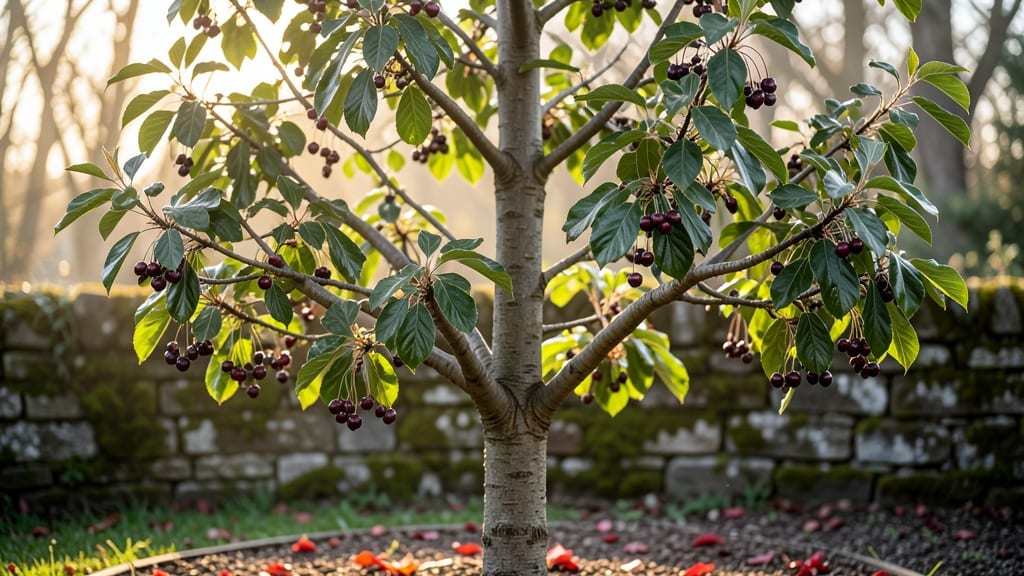
Planting a cherry tree in North Carolina means four seasons of beauty—spring blossoms, summer shade, and fall fruit—if you prune like a pro. 🌸 The key to thriving trees here starts with choosing the right variety (Stella for sweet, Montmorency for tart) and understanding how NC’s humid summers and mild winters shape your pruning schedule.
Your tree needs well-draining soil with a pH between 6.0 and 7.0, and the right spot gets at least 6 hours of sunlight daily. Most NC growers make one big mistake: waiting until late winter to prune, when the tree’s already stressed from winter chill.
Instead, do light pruning in late winter and heavier shaping in early spring before buds swell.
With proper care, you’ll see fruit production double in just two seasons—imagine fresh cherries picked straight from your yard. The secret is thinning fruit clusters early to prevent overburdening branches, and applying a copper fungicide spray in spring to fight off peach leaf curl, a common NC problem.
Local nurseries like Barefoot Containers in Raleigh or Weaver’s Garden Center in Asheville carry well-adapted varieties, and their staff can help you pick disease-resistant rootstock. The first year is about establishing strong structure; by year three, you’ll have a tree that’s both productive and picturesque.
📚 In This Guide
- What you need
- Instructions
- Tips and common mistakes
- Wrapping up and next steps
What you need
- ● Pruning shears: Bypass pruners (for cuts up to ¾ inch) – 1 pair (look for sharp, stainless-steel blades).
- ● Loppers: For thicker branches (1–2 inches) – 1 pair (with a 6–8 inch blade for leverage).
- ● Pruning saw: For branches over 2 inches in diameter – 1 saw (curved-tooth design for clean cuts).
- ● Gloves: Heavy-duty, cut-resistant – 1 pair (to protect from thorns and splinters).
- ● Disinfectant: 70% rubbing alcohol or pruning sealant – small bottle (prevents disease spread).
- ● Ladder: Sturdy, extendable – 1 ladder (tall enough to reach the tree’s highest branches safely).
- ● Tarp or drop cloth: Medium-sized – 1 piece (to collect debris and protect landscaping).
- ○ Pruning paint/sealant: Optional but recommended for large cuts – small tube (helps wounds heal faster).
- ● Timing: Prune during dormant season (late winter/early spring) for NC’s climate. Avoid pruning when the tree is stressed (e.g., drought or extreme heat).
- ● Safety gear: Safety glasses (to shield from debris) and long sleeves/pants (for protection).
- ● Weather check: Choose a dry, calm day to avoid slippery tools or muddy conditions.
- ● Tree health: Inspect the tree for signs of disease (e.g., cankers, fungal growth) before pruning. 💡 Pro Tip: Sterilize tools between cuts if the tree shows signs of illness!
- ● Local regulations: Check if your county requires permits for large pruning jobs (especially near power lines).
- ● Extension pole saw: For high branches without a ladder – 1 pole (10–12 feet long).
- ● Tree wound dressing: Alternative to sealant (e.g., beeswax-based products).
- ● Notebook & pen: To sketch a pruning plan or track growth over time.
- ● Compost bin: For collecting and repurposing pruned branches.
Instructions for pruning a mature cherry tree in North Carolina
Here's how to keep your cherry tree thriving year-round with precise cuts and seasonal care.
✂️ Step 1: Prune for Structure in Late Winter
Start your pruning between mid-February and early March while the tree is still dormant but before new growth begins. This timing prevents stressing the tree and allows wounds to heal before summer heat arrives. I focus on removing dead, diseased, or crossing branches first—these are your top priorities. Use sharp loppers or pruning saws to make clean cuts just outside the branch collar, where the branch meets the trunk.
Next, thin out crowded branches to improve airflow and sunlight penetration. Aim to open the canopy so light reaches the inner branches—this prevents fungal diseases common in North Carolina's humid summers. Look for branches growing straight upward; these compete with the leader and should be removed entirely. Remember, you're sculpting the tree's future shape, so take your time and visualize how each cut will affect the overall structure.
☀️ Step 2: Summer Pruning for Fruit Production
After the tree finishes flowering in late May or early June, it's time for a lighter pruning session focused on fruit production. Remove any suckers—those vigorous shoots growing from the base or along the trunk—and any water sprouts (fast-growing vertical shoots). These compete with fruit-bearing branches for energy. I also trim back any branches that grew too vigorously during the spring flush; these often produce smaller, less flavorful cherries.
Pay special attention to branches that rub against each other. These will eventually create wounds that invite disease. If you spot any branches with signs of silver leaf disease (a fungal infection common in NC cherries), remove and destroy them immediately—don't add them to your compost pile. Thin out clusters of cherries to 6-8 inches apart on each branch; this ensures larger, higher-quality fruit and reduces the risk of disease spreading through overcrowded branches.
🌿 Step 3: Fall Cleanup and Disease Prevention
As leaves begin to fall in October, remove all debris from under the tree. This includes fallen leaves, fruit, and any pruned branches. Cherry trees are particularly susceptible to brown rot and powdery mildew, and fallen leaves harbor spores that can reinfect next year's growth. I rake thoroughly, then dispose of the debris in the trash—not the compost—since these diseases can survive composting.
Apply a 2-3 inch layer of mulch around the base of the tree, keeping it 6 inches away from the trunk to prevent rot. Use wood chips or straw, but avoid fresh sawdust or bark mulch, which can compact and suffocate roots. This mulch layer helps regulate soil temperature and retains moisture, which is especially important during North Carolina's hot, dry summers. Water deeply after mulching to settle the material and encourage root growth.
⏰ Step 4: Winter Protection for Young Trees
If your cherry tree is less than 5 years old, it benefits from extra winter protection, especially in North Carolina's colder zones. Wrap the trunk with tree wrap or burlap to prevent sunscald (damage caused by winter sun on dormant bark). I also apply a thin layer of anti-desiccant spray to the branches to prevent moisture loss during dry winter winds. For young trees, consider installing a lightweight tree guard to protect against rodent damage—squirrels and rabbits love young cherry bark.
Prune any ice-damaged branches in late winter, but only remove what's absolutely necessary. Cherry trees are resilient, and excessive pruning can stress them further. Focus on removing branches that are completely dead or broken beyond repair. Avoid heavy pruning in winter unless absolutely necessary—cherry trees bleed sap heavily in cold weather, and this can weaken the tree. If you must prune in winter, do so on mild days above 40°F to minimize stress.
Tips & tricks for perfect cherry tree pruning in North Carolina
Mastering these seasonal adjustments will transform your cherry tree from struggling to stunning year after year.
Timing is Everything: The mid-February to early March window for winter pruning is non-negotiable—this dormant period lets wounds heal before summer's heat. I’ve learned the hard way that pruning too early can stimulate new growth that gets nipped by late frosts. For summer pruning after flowering (late May/early June), wait until at least 80% of blossoms have fallen to avoid reducing next year's fruit set. This timing ensures you're not cutting off potential harvest while still controlling vigorous growth.
Tool Precision Matters: Your loppers and pruning saws should be sharper than your focus. Dull tools crush branches, creating larger wounds that invite disease—especially problematic in North Carolina's humid climate. I keep a dedicated pruning kit with sterilized tools (wipe with rubbing alcohol between cuts) to prevent spreading silver leaf disease. For branches thicker than your wrist, use a three-cut method: undercut, top cut, and final outward cut to prevent bark tearing at the branch collar.
Disease Prevention Strategy: The fall cleanup isn't just about aesthetics—it's your first line of defense against brown rot and powdery mildew. I double-bag all pruned branches and fallen leaves in heavy-duty trash bags before disposal, then spray the area with a 10% vinegar solution to kill lingering spores. The 2-3 inch mulch layer isn't just decorative; it creates a moisture barrier that keeps fungal spores from splashing onto the trunk during summer rains. Pro tip: Refresh the mulch annually in early spring before new growth begins.
Winter Protection Secrets: For young trees (under 5 years), the 40°F minimum for winter pruning is crucial—below this, sap flow increases dramatically, stressing the tree. I’ve found that wrapping the trunk with tree wrap (not plastic wrap!) creates a microclimate that prevents sunscald while allowing gas exchange. For extra insurance, I loosely wrap burlap around the entire tree during ice storms, then remove it once temperatures stabilize above freezing. This simple step has saved multiple trees from winter damage in my North Carolina garden.
Pro Tips for Cherry Tree North Carolina
- Mastering these seasonal adjustments will transform your cherry tree from struggling to stunning year after year.
- Timing is Everything: The mid-February to early March window for winter pruning is non-negotiable—this dormant period...
- Tool Precision Matters: Your loppers and pruning saws should be sharper than your focus. Dull tools crush branches, c...
Frequently asked questions
Got questions about growing and pruning cherry trees in North Carolina?
You’re not alone! Here are answers to the most common queries—from timing to troubleshooting—so you can keep your tree thriving year-round.
When is the best time to prune cherry trees in NC?
Prune dormant cherry trees (like sweet or tart varieties) in late winter or early spring (February–March) before buds swell. For blooming cherries (like Yoshino), prune right after flowering (March–April) to avoid cutting off next year’s blossoms. Avoid heavy pruning in fall—it invites disease.
Why are my cherry tree leaves turning brown or curling?
Brown/curling leaves often signal disease (like leaf spot or bacterial canker) or pests (aphids, mites, or borers). Start by removing infected branches below the infection with sterilized tools. Apply copper fungicide (for disease) or neem oil (for pests). Improve airflow with thinning cuts—cherry trees hate humidity!
Can I grow cherry trees in North Carolina’s clay soil?
Yes, but amend the soil first! Cherry trees prefer well-draining, slightly acidic soil (pH 5.5–6.5). Mix in compost or sand to break up clay, and mulch with wood chips to retain moisture. If drainage is poor, plant on a mound or in a raised bed. Dwarf varieties (like ‘Stella’) adapt better to heavy soil.
How do I encourage more fruit on my cherry tree?
Fruit production relies on proper pruning + pollination. Thin branches to open the canopy (let sunlight reach inner fruit). If your tree lacks fruit, it may need a pollinator variety (e.g., ‘Bing’ needs ‘Stella’ nearby). After flowering, fertilize lightly with 10-10-10 and avoid overwatering—too much water = fewer cherries!
Should I remove large branches myself, or hire a pro?
For branches over 2–3 inches thick, hire an ISA-certified arborist—especially for sweet cherries, which bleed heavily when cut. DIYers should use sharp bypass pruners for small branches and never top the tree (it invites disease). If unsure, call a pro—safety first!
Wrapping up and next steps
North Carolina’s cherry trees thrive when you blend art with science—and pruning is your secret weapon! 🌸 From shaping blooms to safeguarding health, the right cuts transform these trees into year-round stars.
Whether you’re a seasoned gardener or just starting, remember: patience and precision pay off in vibrant fruit, lush foliage, and stunning seasonal displays.
Ready to level up your green thumb? Grab your tools, mark your calendar for the best pruning windows, and give your cherry tree the TLC it deserves.
Next, why not explore local NC nurseries for the perfect variety to plant—or share your pruning wins with fellow gardeners online! 🌿✨