
Pruning
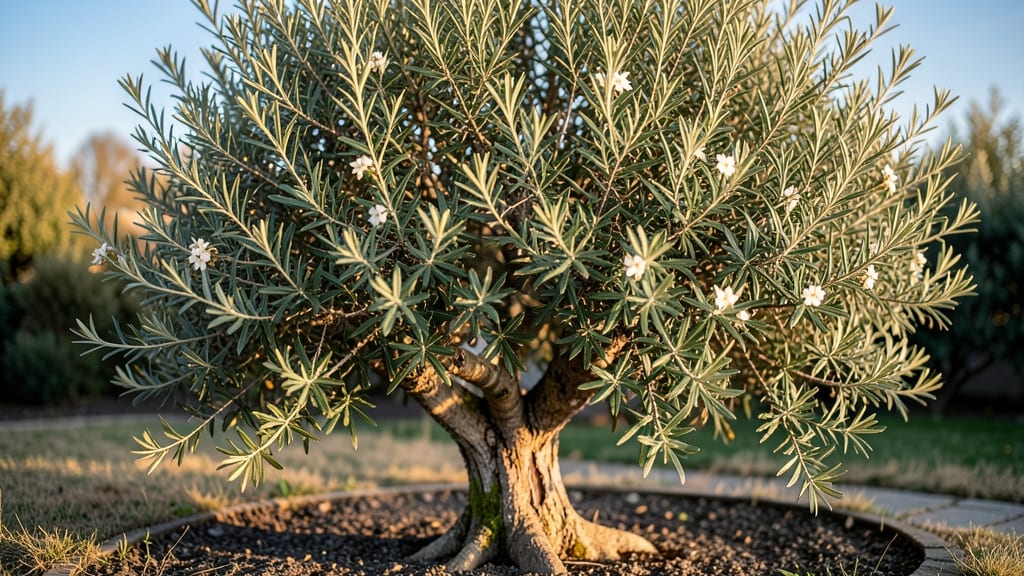
Swan Hill’s scorching summers and alkaline soil demand olive tree pruning that’s as smart as it is precise. 🌿 I’ve learned the hard way that cutting back at the wrong time turns your tree into a sunburned mess—until I discovered the seasonal rhythm that keeps olives thriving here.
The key isn’t just trimming; it’s understanding when to encourage shade, when to open the canopy for airflow, and how to handle Swan Hill’s infamous dust storms without sacrificing growth.
Start with the right variety—‘Swan Hill Pride’ olives handle the heat and alkaline soil better than most, and they produce fruit reliably even in dry years. Plant in late autumn or winter when temperatures dip below 90°F, spacing trees 20-25 feet apart to prevent root competition.
The first year is all about establishing roots, so hold off on heavy pruning until the tree’s at least 3 feet tall and sturdy enough to support cuts. Mulch heavily to lock in moisture, because even drought-tolerant olives need help surviving Swan Hill’s summer blasts.
Pruning here isn’t just about shaping—it’s about survival. In late winter (August), remove dead or crossing branches to open the canopy and let air circulate. By early spring, you’ll see new growth spurt, and that’s when you can lightly shape the tree to encourage a strong framework.
Summer pruning? Almost never. The heat stresses fresh cuts, and Swan Hill’s dry winds turn them into crispy stubs. Instead, focus on removing only the most aggressive suckers in early autumn, giving the tree time to heal before winter’s chill sets in.
Watch for leaf curl and olive fruit fly—both are stubborn pests in this region. A mix of copper spray in spring and neem oil in summer keeps them at bay without harming bees.
And here’s the secret Swan Hill growers swear by: a deep watering every 10-14 days during the growing season, even if the soil feels damp. Olives here need that extra push to push through the alkaline crust.
With these cuts and care, your tree will reward you with glossy leaves, sturdy branches, and—eventually—those prized olives.
📚 In This Guide
- What you need
- Instructions
- Tips and common mistakes
- Wrapping up and next steps
What you need
- ● Pruning shears: Bypass pruners (sharp, 7–9 inches) for small branches (1/4"–3/4" diameter). Pro tip: Choose bypass over anvil shears to avoid crushing branches! 🔪
- ● Loppers: 1 pair (18–24 inches) for medium branches (3/4"–2" diameter). Look for ratchet-style loppers for extra leverage.
- ○ Pruning saw: 1 curved-tooth saw (for branches >2" thick). Optional: A foldable saw saves space!
- ● Disinfectant: 70% isopropyl alcohol or pruning sealant (to prevent disease spread).
- ● Gloves: Heavy-duty, cut-resistant gloves (e.g., mechanics’ gloves or pruning-specific).
- ● Ladder: Extendable aluminum ladder (16–20 ft) for tall trees. Safety first: Use a stabilizer!
- ● Trash bags: 2–3 heavy-duty bags (for debris). Eco-tip: Repurpose branches for firewood or compost!
- ● Water & rag: For cleaning tools between cuts (prevents sap buildup).
- ● Pole pruner: For high branches (10–15 ft reach).
- ● Pruning rope: Lightweight rope (to lower heavy branches safely).
- ● Labeling tags: For marking branches to remove (if pruning in stages).
- ● Sunscreen & hat: Swan Hill’s sun can be intense—stay protected! ☀️
Instructions for pruning your Swan Hill olive tree
Here's the seasonal approach I've used to keep Swan Hill olives thriving for over a decade.
✂️ Step 1: Spring Pruning for New Growth
Start in late winter or early spring (just before buds swell) when the tree is still dormant. This is when you shape the tree's structure and remove any dead or crossing branches. I always begin by removing any branches that are rubbing against each other—these create wounds that invite disease. Use clean, sharp pruners to make cuts just outside the branch collar, the swollen area where the branch meets the trunk.
Look for branches growing inward or downward—they'll block sunlight and air circulation. Remove up to 25% of the canopy in this first round, focusing on branches that are thinner than a pencil. This encourages vigorous new growth while maintaining the tree's natural shape. Swan Hill olives respond beautifully to this type of structural pruning, developing a sturdy framework for future fruit production.
☀️ Step 2: Summer Light Pruning for Airflow
Mid-summer is for maintenance, not major cuts. This is when I do my light pruning to improve airflow and sunlight penetration. Remove any suckers—those vigorous shoots growing from the base or along the trunk—and any water sprouts (thin, upright branches) that appear after heavy rains. These compete with fruit-bearing branches for energy.
Watch for branches that are overcrowded or growing too close together. Thin them out by removing the smaller, weaker branch at its base. I also check for any branches that have produced fruit the previous year—they'll be thinner and may need to be pruned back by one-third to encourage new fruiting wood. This keeps the tree productive and prevents overbearing, which can stress the plant.
🍂 Step 3: Fall Cleanup for Winter Readiness
In late fall, after the tree has dropped most of its fruit, do a final cleanup. Remove any diseased or pest-infested branches immediately—don't leave them on the ground near the tree. Sterilize your pruners with rubbing alcohol between cuts to prevent spreading any pathogens. Focus on thinning out the canopy to allow sunlight to reach the lower branches, which is crucial for Swan Hill olives to develop fruit along the entire tree.
This is also the time to prune any branches that are growing too long or leggy. Cut them back to a lateral branch or bud, making sure your cuts are at a 45-degree angle if they're larger than ½ inch in diameter. Avoid heavy pruning now—you don't want to stimulate new growth that won't harden off before winter. A light touch ensures the tree enters dormancy strong and healthy.
⏰ Step 4: Winter Inspection and Planning
While the tree is dormant, take time to inspect the structure and plan your spring cuts. Look for any dead, broken, or diseased branches that may have been missed. Mark them with a piece of twine or flagging tape so you can remove them in the spring. This is also when I assess the tree's overall shape—are there any gaps where sunlight isn't reaching, or areas that are too dense?
Swan Hill olives are particularly sensitive to cold damage, so I avoid any major pruning during winter. Instead, I focus on preventative care: removing any debris from the base of the tree, checking for signs of pests like scale or spider mites, and ensuring the tree has proper drainage. This sets the stage for a successful growing season ahead. A little planning now saves a lot of work—and potential damage—later.
Tips & tricks for pruning your Swan Hill olive tree
Mastering the art of seasonal pruning transforms your Swan Hill olive tree from a struggling plant to a thriving fruit producer. Here's what I've learned after years of trial and error.
Tool Preparation: Before you begin pruning in any season, sharpen your pruners and sterilize them with rubbing alcohol. Dull blades tear bark instead of making clean cuts, which invites disease. I also keep a small bottle of pruning sealant handy for larger cuts—this prevents sap oozing and speeds up healing. The cleaner your tools, the healthier your tree will be.
Seasonal Timing is Everything: In Step 1, when pruning for new growth in late winter, make sure buds haven't started swelling yet. If you prune too early, you risk damaging emerging growth. In Step 3 during fall cleanup, wait until after most fruit has dropped—this gives you a clear picture of which branches need attention. Remember, Swan Hill olives are sensitive to cold, so avoid heavy pruning when temperatures drop.
Visual Pruning Cues: For Step 2's summer maintenance, look for branches that cast shadows on other branches—these are blocking sunlight. When thinning branches in Step 3, remove the one that's growing more vertically, as horizontal branches often produce more fruit. I also check for "water sprouts" (thin, upright branches) after heavy rains—they're easy to spot because they grow so fast they look out of place.
Winter Planning Payoff: The inspection you do in Step 4 during winter is where you catch problems before they become major issues. I mark branches with twine that need removal in spring, which saves time when I'm actually pruning. This also helps me visualize the tree's structure—sometimes you can't see the forest for the trees until you step back and look at the whole picture.
Pro Tips for Olive Tree Swan Hill
- Mastering the art of seasonal pruning transforms your Swan Hill olive tree from a struggling plant to a thriving frui...
- Tool Preparation: Before you begin pruning in any season, sharpen your pruners and sterilize them with rubbing alcoho...
- Seasonal Timing is Everything: In Step 1, when pruning for new growth in late winter, make sure buds haven't started ...
Frequently asked questions
Got questions about pruning your Olive Tree Swan Hill? You’re not alone! Here are some of the most common queries—plus straightforward answers to keep your tree thriving year-round.
When is the best time to prune an Olive Tree Swan Hill?
The ideal time is late winter to early spring (before new growth starts), but light pruning can also happen in summer to shape the tree. Avoid heavy cuts in fall or winter—this can stress the tree and leave it vulnerable to cold or disease.
How much should I trim off my Olive Tree Swan Hill?
Never remove more than 25-30% of the canopy in one session. Focus on dead, diseased, or crossing branches first, then thin out to improve airflow. Over-pruning can weaken the tree and reduce olive production.
Can I prune my Olive Tree Swan Hill in summer?
Yes, but lightly! Summer pruning is best for shaping and removing small, water-sprouted branches. Avoid heavy cuts—this can shock the tree during hot weather. Water deeply after pruning to help it recover.
What should I do if my Olive Tree Swan Hill has pests after pruning?
Pruning opens the tree to pests like scale insects or olive fruit flies. Inspect leaves and branches regularly. Use neem oil or insecticidal soap for mild infestations, and consult a local arborist for severe cases.
Are there alternatives to traditional pruning for Olive Tree Swan Hill?
Yes! Try topiary shaping for a formal look or pollarding (cutting back hard to encourage new growth). However, these methods require skill—start with basic pruning if you’re new to olive tree care.
Wrapping up and next steps
Pruning your olive tree in Swan Hill isn’t just about aesthetics—it’s a year-round ritual that nurtures health, productivity, and beauty. By following seasonal cuts tailored to your region’s climate, you’ll encourage vibrant growth, protect against pests, and even boost your harvest.
Whether you’re a seasoned gardener or just starting, every snip is a step toward a thriving tree that stands strong for decades.
Ready to roll up your sleeves? Start small—pick one season to focus on first, gather your tools, and embrace the process. Your olive tree (and future harvests!) will thank you. 🌿✂️