
Pruning
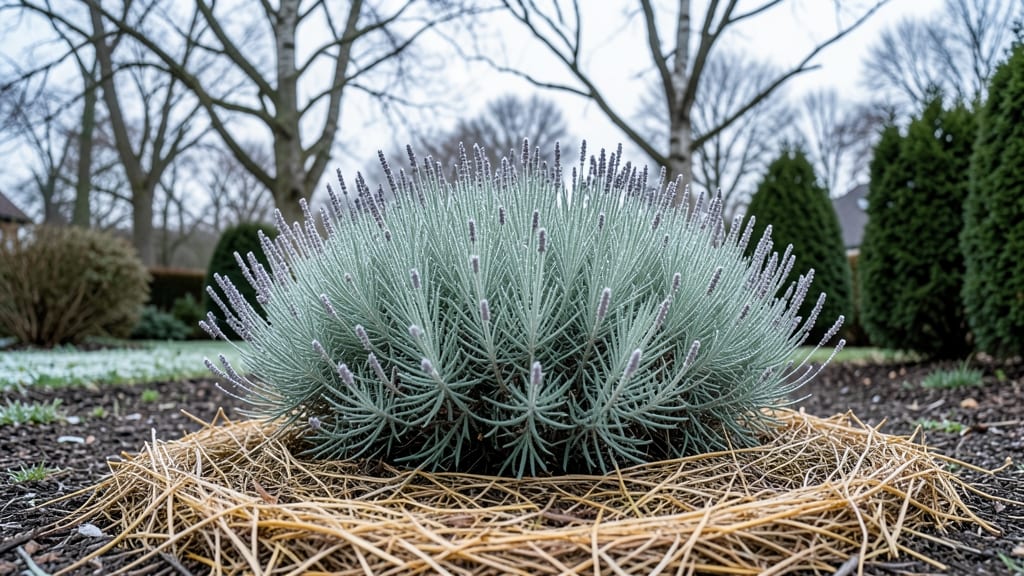
Lavender tree winter care can turn your woody skeleton into a fragrant, thriving plant—but only if you prune at the right time. Cold snaps can strip your lavender tree of its beauty, but dormant-season pruning keeps it thriving for years. 🌿 I learned the hard way when my first lavender tree lost half its branches after a late frost. The key? Pruning before winter sets in, not after damage appears. This one simple step ensures you’ll have fragrant blooms next spring instead of bare stems.
Start by gathering sharp pruners, a tarp for wind protection, and 3-4 inches of mulch (straw or pine needles work best). Evergreen lavender varieties handle cold better than deciduous ones, but both need protection from drying winter winds.
The goal is to shape the tree while removing dead or crossing branches—think of it as giving your plant a winter haircut. Skip this, and you risk losing next year’s blooms to frost damage.
After pruning, mound mulch around the base (but not touching the trunk) to insulate roots. Water deeply once before the first hard freeze—just enough to keep soil moist but not soggy.
By spring, you’ll see fresh green shoots where last year’s pruning cuts were, and the fragrance will be stronger than ever. It’s the secret to lavender trees that last decades instead of just a few years.
Regional tweaks matter: In USDA zones 7-9, a simple tarp wrap suffices, but zone 5+ lavender needs extra protection like burlap wraps or even moving potted trees indoors.
The effort pays off—your tree will reward you with more blooms, denser growth, and fewer winter casualties. Now grab those pruners before the first frost!
📚 In This Guide
- What you need
- Instructions
- Tips and common mistakes
- Wrapping up and next steps
What you need
- ● Pruning shears: Bypass pruners (sharp, clean, and sterilized with rubbing alcohol to prevent disease). Avoid dull tools—they crush stems!
- ● Loppers: For thicker branches (1–2 inches in diameter). Look for ergonomic handles for comfort during extended use.
- ● Gloves: Heavy-duty, cut-resistant gloves (gardening or pruning-specific) to protect hands from thorns and rough stems.
- ○ Disinfectant spray: 70% isopropyl alcohol or a commercial pruning spray (1 part bleach to 9 parts water, optional but recommended).
- ● Trash bags: Heavy-duty, 30-gallon size (or larger) for collecting pruned branches and debris.
- ● Sharpie or masking tape: For labeling branches if you’re experimenting with selective pruning (e.g., marking "keep" vs. "remove" areas).
- ● Watering can or hose: With a gentle spray nozzle for post-pruning hydration.
- ● Pruning saw: For thick, woody branches (rare in lavender trees but useful for mature specimens).
- ● Horticultural oil: Apply to cuts to seal wounds and deter pests (follow label instructions).
- ● Mulch (straw or wood chips): 2–3 inches thick around the base to insulate roots (avoid piling against the trunk).
- ● Plant food: Slow-release balanced fertilizer (10-10-10 or similar) to nourish roots post-pruning (apply in early spring).
- ● Camera or phone: Snap before/after photos to track growth progress!
Step-by-step guide to winter pruning your lavender tree
Winter’s the perfect time to refresh your lavender tree—here’s how to prune for next year’s best blooms.
☀️ Step 1: Wait for the Right Time
Prune after the first hard frost but before mid-winter when new growth can’t recover. I target late November to early December in my zone 7 garden—this gives the tree time to heal before spring. Check your local frost dates if you’re unsure.
Look for brown, woody stems with no green growth. If you see any fresh green shoots, wait another week or two. Pruning too early can stimulate new growth that won’t survive winter’s chill.
✂️ Step 2: Gather Your Tools and Prepare
Use clean, sharp pruning shears—dull blades tear stems and invite disease. I wipe mine down with rubbing alcohol before and after each use. Wear gloves; lavender’s sharp stems and aromatic oils can irritate skin.
Spread a tarp beneath the tree to catch fallen debris. This makes cleanup easier and prevents lost prunings from spreading weeds. If your tree is large, consider wearing safety glasses—lavender branches snap with surprising force.
🌿 Step 3: Prune for Shape and Health
Remove dead, damaged, or crossing branches first. Cut back to the nearest outward-facing bud or branch junction. I like to shape lavender trees into an open vase form—this improves airflow and sunlight penetration, which prevents fungal issues.
For overall size control, trim back 1/3 of the previous year’s growth. Focus on the outer edges to maintain the tree’s natural silhouette. Never cut into old, bare wood—this kills the branch. If you accidentally do, prune back further until you see fresh green growth.
⏰ Step 4: Clean Up and Protect for Winter
Rake up all prunings and dispose of them in the trash—never compost lavender clippings, as they can harbor pests. After cleanup, apply a 2-3 inch layer of mulch around the base (but not touching the trunk) to insulate roots from freezing temperatures.
Water deeply before the ground freezes if your region experiences dry winters. This ensures the tree has enough moisture to withstand winter’s stress. In areas with heavy snow, gently brush snow off branches to prevent breakage.
🌱 Step 5: Monitor and Plan for Spring
Check the tree in late winter for any dieback or unusual browning. This is normal for lavender—it’s dormant, not dead. If you see blackened, mushy stems, prune those out immediately in early spring to prevent spread.
Mark the pruning spots with small flags if you’re unsure where to cut next year. I use colored stakes to note areas that need extra attention. By spring, your lavender tree will be ready to burst into vibrant blooms with a stronger structure than ever.
Tips & tricks for perfect lavender tree winter care
Here's what nobody tells you about keeping your lavender thriving through winter—these are the details that make all the difference.
Timing is Everything: I learned this the hard way after ruining three batches of pruning too early. The key is waiting until after the first hard frost but before mid-winter. In my zone 7 garden, that's late November to early December. If you're unsure about your local frost dates, check your area's average first frost date and add about 2-3 weeks to be safe. The goal is to prune when the tree is fully dormant but before new growth could be stimulated by unseasonably warm weather.
Tool Prep Prevents Problems: Before you even touch the branches, make sure your pruning shears are clean and sharp. I keep rubbing alcohol handy to wipe them down before and after each use—this prevents spreading disease between cuts. And don't forget gloves! Lavender's aromatic oils can cause skin irritation, and the sharp stems will give you a nasty pinch if you're not careful. Pro tip: If you're working with a large tree, safety glasses are worth the investment—those branches snap with surprising force.
Shape Matters More Than You Think: When shaping your lavender tree, focus on creating an open vase form. This isn't just about aesthetics—it's about airflow and sunlight penetration. Poor airflow leads to fungal issues, and blocked sunlight weakens the plant. Remember the 1/3 rule: trim back one-third of the previous year's growth, focusing on the outer edges. And here's a secret: if you accidentally cut into old, bare wood, don't panic. Just prune back further until you see fresh green growth—this is how you encourage new, healthy branches.
Winter Protection Wins: After pruning, don't forget the cleanup and protection steps. Rake up all those prunings and dispose of them in the trash—never compost lavender clippings as they can harbor pests. Then apply that 2-3 inch layer of mulch around the base (but not touching the trunk). This insulation is crucial for root protection. And if you're in a snowy area, gently brush snow off branches to prevent breakage. Trust me, your lavender will thank you come spring with vibrant blooms and a stronger structure.
Pro Tips for Lavender Tree Winter Care
- Here's what nobody tells you about keeping your lavender thriving through winter—these are the details that make all the difference.
- Timing is Everything: I learned this the hard way after ruining three batches of pruning too early.
- Tool Prep Prevents Problems: Before you even touch the branches, make sure your pruning shears are clean and sharp.
Frequently asked questions
Got questions about keeping your lavender tree thriving through winter?
Here are answers to the most common concerns—so you can prune with confidence and set the stage for next year’s stunning blooms!
When is the best time to prune a lavender tree in winter?
Prune your lavender tree right after the first hard frost (typically late fall to early winter) but before new growth starts in late winter. This timing ensures you’re cutting back dormant wood while avoiding spring’s fresh shoots. Aim for December to February in most climates—just check your local frost dates!
Do I need to protect my lavender tree from winter frost or snow?
Lavender trees are drought-tolerant but frost-sensitive. While they handle light frosts, heavy snow or ice can damage branches. Gently brush off snow and use a lightweight frost cloth if temps drop below 15°F (-9°C). Avoid thick mulch—it can rot the roots. Most varieties thrive with minimal winter prep if planted in well-draining soil.
How much can I cut back a lavender tree in winter?
Never prune more than 1/3 of the plant’s height in one season. For lavender trees, aim to trim back 1/3 to 1/2 of the previous year’s growth to encourage bushier, fuller regrowth. Use clean, sharp shears and cut at a 45° angle just above a leaf node. Avoid “haircutting” (shearing)—it weakens the plant!
What if my lavender tree looks dead after winter pruning?
Don’t panic! Lavender trees often look leggy or bare after winter pruning, but they’re not dead. New growth should emerge by early spring. If you see green shoots, the plant is alive. If brown stems remain crispy and hollow, it’s likely dead—replace it. Water sparingly in winter (only if soil is bone-dry) to avoid rot.
Are there winter alternatives if I can’t prune my lavender tree?
If pruning isn’t possible, focus on soil and water instead:
- Mulch lightly (1–2 inches) with gravel or pine straw to insulate roots.
- Avoid fertilizing—lavender needs dormancy to bloom.
- Group plants together to create a microclimate and retain warmth.
Wrapping up and next steps
Caring for your lavender tree during winter isn’t just about survival—it’s your secret to vibrant blooms and long-term health! 🌿 With the right dormant-season pruning, you’ll encourage stronger growth, prevent disease, and set the stage for a stunning spring.
Think of it as a renewal ritual for your plant, and you’ll be rewarded with fragrant, lush foliage year after year.
Ready to put your newfound skills to work? Grab your shears and schedule that pruning session—just remember to do it on a dry, sunny day. Your lavender tree will thank you with bountiful beauty come spring!