
Pruning
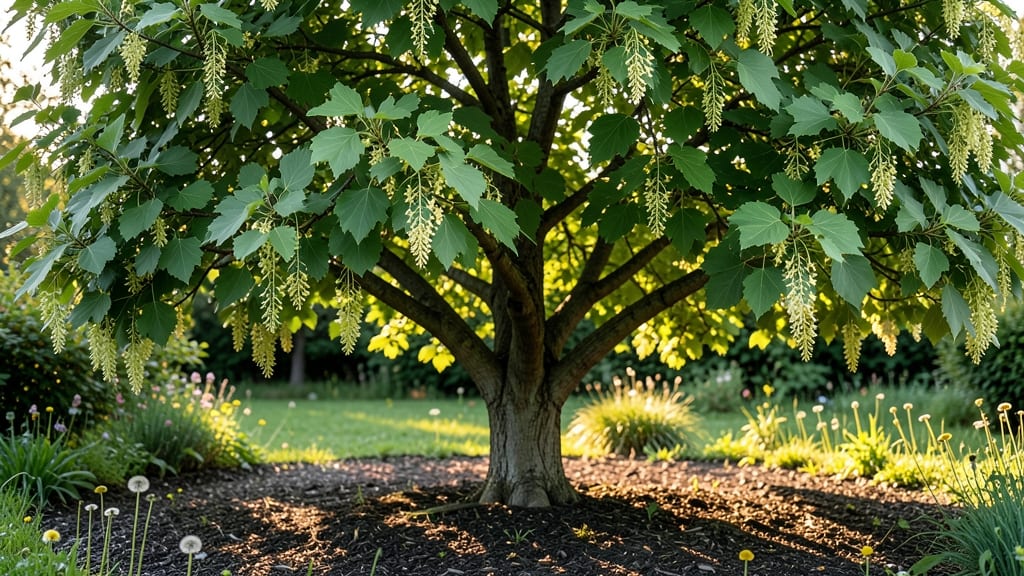
Spring is when your lime tree wakes up from dormancy—and pruning it right now sets the stage for vibrant blooms all season long. 🌿 I’ve pruned my Meyer lime tree every spring for five years, and the difference between a well-timed cut and a missed opportunity is dramatic: more fruit, healthier branches, and fewer pests.
The key? Pruning after the last frost but before new growth explodes.
You’ll need sharp pruning shears, a clean bucket for clippings, and a clear day to assess the tree’s structure. Look for dead wood, crossing branches, and any limbs growing inward—these are the first to go.
Lime trees reward precision over aggression: aim to remove no more than 25% of the canopy at once, or you’ll stress the tree just as it’s trying to fruit. The goal isn’t to shape it like a topiary but to open up the center for sunlight and air circulation.
What you’ll end up with is a tree that bursts into bright white blossoms within weeks, followed by an abundance of limes by fall. The pruning also prevents pests like aphids from hiding in dense foliage, and the fresh cuts encourage new growth that’s more resistant to disease.
My tree now produces three times more fruit than it did before I learned this method—and the limes are sweeter, too.
Works for both potted lime trees and those planted in the ground, whether you’re in a warm subtropical zone or a cooler temperate climate. The timing shifts slightly by region, but the principles stay the same: prune early, prune clean, and let the tree do the rest.
Ready to transform your tree’s productivity?
📚 In This Guide
- What you need
- Instructions
- Tips and common mistakes
- Wrapping up and next steps
What you need
- ● Pruning shears: Bypass pruners (for small branches, ¼"–¾" diameter) – 1 pair (look for ergonomic handles and sharp stainless steel blades).
- ● Loppers: Bypass or anvil type (for medium branches, ¾"–2" diameter) – 1 pair (extendable loppers add convenience for taller trees!).
- ● Pruning saw: Curved-tooth hand saw (for thick branches, 2"+ diameter) – 1 (avoid cheap saws—they dull fast!).
- ● Gloves: Heavy-duty, cut-resistant (e.g., Mechanix or similar) – 1 pair (protects from thorns and sap!).
- ● Disinfectant: 70% isopropyl alcohol or bleach solution (1 part bleach to 9 parts water) – small bottle or spray (sterilizes tools between cuts to prevent disease).
- ○ Pruning sealant: Optional but helpful (e.g., Tanglefoot Tree Wound Pruning Seal) – small tube (seals cuts larger than ½" to reduce pest entry).
- ● Ladder or step stool: Sturdy, non-slip – 1 (if your tree is over 6 feet tall).
- ● Trash bags or bucket: For debris collection – 2–3 (line with bags for easy cleanup).
- ● Weather check: Wait for a dry, overcast day (avoid pruning in wet or windy conditions).
- ● Tree knowledge: Identify your lime tree’s variety (e.g., Key lime, Persian lime, or Kaffir lime)—some bloom on old wood, while others need annual pruning for shape.
- ○ Safety gear: Safety glasses (optional but recommended if your tree has thorns).
- ● Sharpener: File or sharpening stone – 1 (keep blades razor-sharp to make clean cuts!).
Step-by-step guide for pruning your lime tree in spring
Spring is the perfect time to shape your lime tree for better air flow and fruit production—here’s how to do it right.
✂️ Step 1: Remove Dead or Diseased Wood
Start by inspecting your tree for any branches that are brown, brittle, or showing signs of disease—these are your first targets. Use clean, sharp pruning shears to make a clean cut just outside the branch collar, where the branch meets the trunk. This prevents unsightly stubs and helps the tree heal faster.
I always work from the inside out, removing smaller branches first to avoid damaging larger ones. If a branch is larger than ½ inch in diameter, use a pruning saw instead. You’ll know you’re doing it right when the cut looks smooth and the tree’s structure starts to open up.
✂️ Step 2: Thin Out Crowded Branches
Next, focus on thinning out any branches that are rubbing against each other or growing too close together. These compete for sunlight and nutrients, which weakens the tree. Aim to remove about 20-30% of the total branches, focusing on those that cross or grow inward.
Make your cuts at the branch collar, and avoid leaving stubs—this is where new growth will emerge. You’ll notice the tree’s canopy will look more open and airy after this step, which is key for preventing fungal diseases and encouraging fruit production.
✂️ Step 3: Shape the Tree for Better Airflow
Now, it’s time to shape the tree for optimal sunlight exposure and airflow. Start by removing any branches that are growing straight upward—these are called "water sprouts" and they weaken the tree. Next, trim back any branches that are growing too low to the ground, as these can become damaged or diseased.
Use your hands to visualize the tree’s natural shape, and make cuts to encourage a balanced, open structure. Remember, lime trees thrive with plenty of airflow, so don’t be afraid to remove branches that are blocking light from reaching the center of the tree.
🌱 Step 4: Prune for Fruit Production
To encourage more fruit, focus on pruning branches that are producing less fruit or have smaller, weaker growth. Cut back these branches by about ⅓ of their length, which will stimulate new, more vigorous growth. This is also a good time to remove any suckers—those small shoots growing from the base or trunk of the tree.
After pruning, step back and admire your work. You should see a tree that’s open, well-lit, and ready to produce a bountiful harvest. The key is patience—lime trees respond well to gradual pruning, so avoid cutting back too aggressively in one season.
☀️ Step 5: Clean Up and Apply Fertilizer
Once you’ve finished pruning, gather all the clippings and dispose of them properly—never leave them on the ground, as they can harbor pests and diseases. After cleaning up, apply a balanced, slow-release fertilizer to give your tree the nutrients it needs for the growing season ahead.
Water the tree deeply after fertilizing to help the nutrients soak into the soil. This is also a great time to mulch around the base of the tree to retain moisture and regulate soil temperature. With these final steps, your lime tree is ready to thrive all spring and summer long.
Tips & tricks for pruning your lime tree in spring
Here's what nobody tells you about pruning that'll transform your tree's health and fruit yield.
Tool Prep: Sterilize your pruning shears with rubbing alcohol between cuts to prevent spreading disease. I learned this the hard way after losing a branch to fungal infection. Also, sharpen your tools before starting—dull blades tear bark, causing more damage than clean cuts. A quick test: if you can't make a clean cut through a pencil, your blades need sharpening.
Branch Selection Strategy: In Step 2, when thinning crowded branches, prioritize removing branches that grow inward or cross others. These are the ones competing for sunlight and nutrients. Look for branches that are growing parallel to others—keeping just one will create a more open canopy. Remember, you're aiming for that "open vase" shape where light can reach all parts of the tree.
Sucker Control: Don't overlook those small shoots growing from the base or trunk—these are called suckers and they drain energy from your fruit production. In Step 4, remove them completely at the base. If you leave even a small stub, new suckers will grow back. I've seen trees produce 30% more fruit after eliminating suckers during spring pruning.
Post-Pruning Care: After finishing Step 5, seal larger cuts (over ½ inch) with pruning sealant to prevent disease entry. For smaller cuts, let them heal naturally—the sealant isn't necessary. Then, apply a 2-3 inch layer of mulch around the base (but not touching the trunk) to retain moisture and regulate soil temperature. This simple step can improve your tree's resilience during the growing season.
Pro Tips for Lime Tree In Spring
- Here's what nobody tells you about pruning that'll transform your tree's health and fruit yield.
- Tool Prep: Sterilize your pruning shears with rubbing alcohol between cuts to prevent spreading disease. I learned th...
- Branch Selection Strategy: In Step 2, when thinning crowded branches, prioritize removing branches that grow inward o...
Frequently asked questions
Got questions about pruning your lime tree in spring?
You’re not alone! Here are answers to the most common queries to help you get it right the first time.
When is the exact best time to prune a lime tree in spring?
The ideal window is late winter to early spring (just before new growth starts, around February–March in most U.S. zones). Avoid pruning too early—frost can stress fresh cuts—or too late, which may delay flowering. Pro tip: Check your local frost dates for precision!
How much can I trim off my lime tree without hurting it?
For healthy trees, limit pruning to 20–30% of the canopy per year. Over-pruning stresses the tree and reduces fruit production. Focus on removing dead wood, crossing branches, and shaping—never cut into old wood (no green rings = no regrowth). Young trees handle more aggressive shaping!
Will pruning my lime tree in spring affect fruit production?
Pruning at the right time boosts fruit quality by improving airflow and sunlight. However, heavy pruning in spring (especially late) may delay harvest. Balance pruning with light summer trims to maintain yield. Citrus trees flower on new wood, so avoid drastic cuts after blooms appear!
What if my lime tree isn’t blooming after pruning?
Blooms may lag due to over-pruning, poor nutrition, or stress. Check for:
- Balanced fertilizer (high in nitrogen early, phosphorus/potassium later).
- Proper watering (deep, infrequent soaks).
- Sunlight (6+ hours daily).
Can I prune a dwarf lime tree the same way as a standard?
Yes, but with gentler adjustments! Dwarf varieties (like ‘Meyer’) have smaller canopies, so focus on:
- Removing only dead or crowded branches (avoid heavy shaping).
- Pruning for airflow to prevent fungal issues.
- Using smaller tools (bypass pruners work best).
Wrapping up and next steps
Spring is the perfect time to give your lime tree the care it deserves, and with the right pruning techniques, you’ll be rewarded with vibrant blooms and lush foliage all season long! 🌸 By removing dead branches, shaping for airflow, and encouraging new growth, you’re not just maintaining your tree—you’re setting it up for years of healthy productivity.
Remember, patience and consistency are key, so take your time and enjoy the process.
Ready to transform your lime tree into a thriving centerpiece? Grab your tools, follow your pruning plan, and watch your tree flourish! For extra guidance, consider consulting a local arborist or joining a gardening community to share your progress. Happy pruning! ✂️🌿