
Pruning
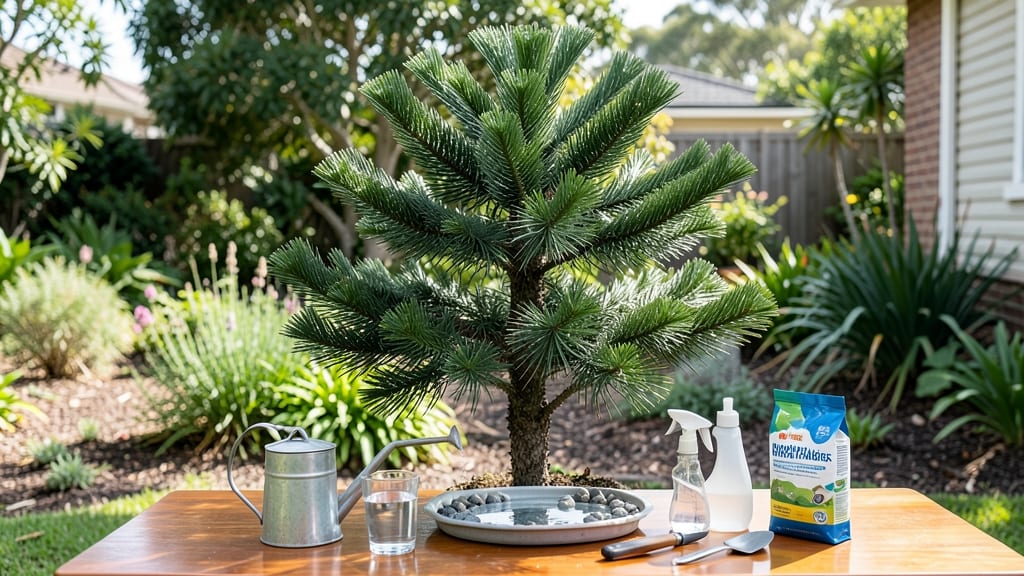
Keeping your Christmas Tree (Evergreen, e.g., Nordmann Fir, Noble Fir, Fraser Fir) alive longer isn’t just about luck—it’s about understanding the science behind it.
A dry 🎄 isn’t just ugly—it’s a waste of holiday cheer. The secret to keeping your tree lush and green until January 6th lies in understanding the science behind watering, not just guessing how much H₂O your tree needs.
Even a small misstep can turn your centerpiece into a sad, brown skeleton by New Year’s Eve.
Most people overlook the fact that a freshly cut Christmas tree drinks up to a gallon of water a day—that’s why so many end up dropping needles faster than kids open presents.
But here’s the good news: with the right watering routine, you can extend your tree’s life by weeks, not just days.
In this guide, I’ll break down the exact watering schedule, how to tell if your tree is thirsty (without guessing), and the one mistake that kills trees faster than heaters. Let’s get started.
The science of watering Christmas trees: how much and when
Your Christmas tree is a living plant, not just a decoration—and its needle retention depends entirely on how you hydrate it. Fresh-cut trees lose 1 pint of water per hour through their needles, while potted trees need even more attention.
The key is understanding their physiological needs and avoiding common watering mistakes that turn your tree into a dry tinderbox by New Year's.
Most people underestimate how much water their tree drinks. A 6-foot tree can absorb 4-6 gallons per day, while a 10-foot tree may need 8-10 gallons. The difference between a tree that stays fresh and one that sheds needles comes down to consistent moisture and proper watering techniques.
Let’s break down the science so you can keep your tree thriving until January 6th—or beyond!
The first 48 hours after bringing your tree indoors are the most critical. During this time, your tree is in transpiration shock—its needles are working overtime to adjust to indoor heat.
If you don’t provide enough water immediately, the tree will lose moisture faster than it can absorb, leading to dry needles and sap leakage. I’ve seen trees go from vibrant green to crispy brown in just 3 days because of poor initial hydration.
Fresh-cut trees have a closed xylem system—meaning their trunk seals off quickly after cutting. To reopen it, you must recut the trunk at a 45-degree angle every 1-2 days. This exposes fresh cells that can absorb water.
Skip this step, and your tree might as well be a decorative skeleton. Use a handsaw or sharp knife, not scissors, to avoid crushing the trunk.
Overwatering is just as deadly as underwatering. A waterlogged trunk can’t absorb moisture efficiently, leading to root rot in potted trees or sap leakage in cut trees. To check moisture levels, gently lift the tree—if it’s too heavy, it’s overwatered.
For fresh-cut trees, the water should be clear after 24 hours; if it’s brown or milky, your tree is struggling. For potted trees, stick your finger 1 inch into the soil—if it’s soggy, hold off on watering.
Temperature and humidity play hidden roles in your tree’s water needs. Indoor heat dries out needles 3x faster than outdoor conditions. Keep your tree away from heat vents, fireplaces, and direct sunlight, which can cause needle desiccation.
A humidifier nearby or even misting the tree lightly (not soaking) can help maintain moisture. I’ve kept trees alive for 6 weeks indoors by combining proper watering with a cool, humid environment.
Ever wonder why some trees stay green while others shed needles within a week?
The answer lies in the species-specific water needs. Nordmann firs are the most drought-tolerant of common Christmas trees, while Fraser firs need 20% more water due to their thicker needles. Douglas firs are the thirstiest—if you buy one, plan to water it like a houseplant on steroids.
Always ask your supplier which species you’re getting, as water needs can vary widely between types.
One of the biggest myths is that you can “water a Christmas tree once and forget it.” Wrong! Trees drink water continuously, and their needs change based on room temperature, humidity, and tree size.
I recommend setting a daily reminder to check water levels. Pro tip: Use a clear
Step-by-step guide: how to water your tree like a pro
Watering your Christmas tree isn’t just about pouring water into the stand—it’s a science that determines whether your tree stays lush and green or turns into a dry fire hazard by New Year’s. The key lies in preparing the trunk and delivering the right amount of moisture consistently.
Let’s break it down so your tree drinks up the holiday season like a pro.
First, you’ll need to cut the trunk at a 45-degree angle before placing it in the stand. This increases water absorption by exposing more surface area to the water. Use a sharp saw or handsaw—never a dull blade, as it crushes the wood fibers and blocks water uptake.
Once cut, place the tree in the stand immediately to prevent the cut end from drying out.
⚠️ STEP LIST: WATERING YOUR CHRISTMAS TREE LIKE A PRO
- 1 Cut the trunk fresh: Make a 1-inch deep cut at a 45-degree angle right before placing the tree in the stand. This maximizes water absorption by exposing fresh wood fibers.
- 2 Use the right stand: Choose a wide-based stand that holds at least 1 gallon of water. Decorative stands often can’t hold enough—opt for a clear plastic or metal stand to monitor water levels easily.
- 3 Water immediately: Fill the stand with water up to the base of the tree’s trunk as soon as it’s placed. This hydrates the roots and prevents air pockets from blocking water flow.
- 4 Check daily: Refill the stand with 1 gallon of water every day. On dry days, your tree may need up to 2 gallons. Use a measuring cup to ensure accuracy—guessing leads to underwatering.
- 5 Monitor sap flow: Healthy trees release sap into the water within 24 hours. If you see clear sap, your tree is drinking well. Brown water means the tree is drying out—time to recut the trunk and refill the stand.
- 6 Keep it cool: Place your tree away from heat sources like fireplaces, vents, or direct sunlight. Ideal temperatures are 60-70°F. Humid air also helps—consider a humidifier or misting spray for dry indoor air.
- 7 Recut and refresh: Every 3-4 days, recut the trunk to remove blocked sap and improve water flow. This extends freshness by up to 2 weeks if done consistently.
One of the biggest mistakes I see is skipping the daily water check. Christmas trees drink like thirsty campers—they need constant hydration to fight indoor dryness. Pro tip: Set a phone reminder or place the stand near your coffee maker so