
Pruning
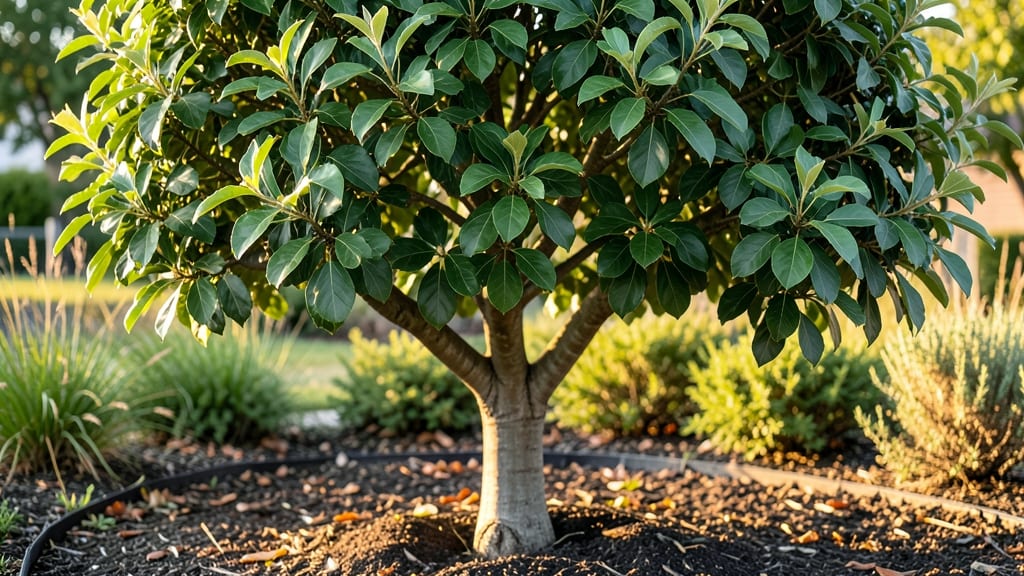
The size of a Bradford pear tree could reach 50 feet tall—but that’s only if you let it. 🌳 I’ve watched these trees shoot up from saplings to towering giants in just 10 years, and while their spring blooms are stunning, their size can quickly outgrow suburban yards.
The key to managing their growth lies in pruning young trees (before branches get too heavy) and choosing the right spot—at least 30 feet from structures and other plants. Bradford pears spread nearly as wide as they grow tall, so spacing matters.
With proper pruning, you can keep them 20-30 feet tall while maintaining that classic rounded shape. The trade-off? Fewer blooms, but way less maintenance. Think of it as sculpting a living work of art—just with a chainsaw.
For city lots or small properties, consider dwarf varieties like ‘Little Applause’ (20-25 feet tall). The right placement and pruning schedule will save you headaches—and maybe even your fence.
📚 In This Guide
- What you need
- Instructions
- Tips and common mistakes
- Wrapping up and next steps
What you need
- ● Measuring tape – A 25-foot retractable tape measure (or longer if your tree is mature). Ensure it’s durable and easy to read in bright sunlight.
- ● Notebook or digital device – For recording tree height, canopy width, and growth notes. A waterproof field notebook or smartphone app (like iNaturalist or TreeSize) works great.
- ● Ladder or step stool – A stable, extendable ladder (12–20 ft) or a telescoping pole with a measuring hook for accurate height readings without climbing.
- ● Pruning tools – If pruning is needed: Bypass pruners (for small branches, ¼"–¾" cuts)
- ● Loppers (for medium branches, ¾"–2" cuts)
- ● Pruning saw (for thick branches, 2"+ diameter)
- ● Gloves – Heavy-duty gardening gloves to protect hands from thorns and rough bark.
- ● Tree identification guide – A field guidebook or app (like PictureThis) to confirm Bradford pear varieties (e.g., Calleryana vs. Bradford).
- ● Tree growth tracker – A spreadsheet or garden journal to log annual height/width changes for long-term monitoring.
- ● Canopy measurement tool – A laser rangefinder or trigonometry app for precise canopy width calculations.
- ● Soil test kit – To check pH/nutrient levels if planting a new Bradford pear (ideal pH: 6.0–7.0).
- ● Mulch and watering supplies – Organic mulch (3–4 inches) and a soaker hose to support healthy growth.
- ● Safety gear – Eye protection and long sleeves when working near branches or thorny varieties.
Understanding Bradford pear tree size: how varieties and growth rates affect mature dimensions
Here's how to predict your Bradford pear's eventual size—and what that means for planting placement.
🌱 Step 1: Identify Your Variety's Mature Height Range
Bradford pears (Pyrus calleryana 'Bradford') typically reach 30-45 feet tall at maturity, but exact size depends on the cultivar. The classic 'Bradford' variety tops out around 40 feet, while newer disease-resistant hybrids like 'Aristocrat' or 'Chanticleer' max out at 35-40 feet. Dwarf varieties such as 'Little Apples' stay under 15 feet, making them ideal for smaller yards.
Check the nursery tag or plant documentation—this tells you whether you're dealing with a standard, semi-dwarf, or dwarf variety. I always verify this before planting, because even a 5-foot difference in height changes how you'll use the space around the tree. For example, a 40-foot tree needs at least 25 feet of clearance from structures, while a 15-foot dwarf only requires 10-12 feet.
☀️ Step 2: Assess Your Site's Sun and Soil Conditions
Bradford pears thrive in full sun (6+ hours daily) and well-draining soil, but these factors influence growth rate. In ideal conditions—rich, slightly acidic soil with pH 6.0-7.0 and consistent moisture—they grow 2-3 feet per year in youth, eventually slowing to 1-2 feet annually as they mature. Poor soil or drought stress can stunt growth, keeping the tree smaller but also reducing flower production.
I test soil drainage by digging a 12-inch hole and filling it with water. If it drains within 1-2 hours, your site is suitable. If water pools after 4 hours, amend with 2-3 inches of compost before planting. Shady sites or compacted clay soil will limit both size and flowering potential.
🪴 Step 3: Plan for Root Spread and Canopy Width
A Bradford pear's spread matches its height, meaning a 40-foot tree will occupy a 30-40 foot diameter at maturity. The roots extend 1.5-2 times the canopy width, so a 40-foot tree needs 60-80 feet of unobstructed root zone. Plant at least 15-20 feet from sidewalks, driveways, or other trees to avoid root competition.
Here's the rule I follow: Measure twice, plant once. Use a 10-foot tape measure to mark the tree's future canopy edge with stakes. This helps visualize how the tree will interact with your property lines, power lines, or neighboring structures. Bradford pears develop a dense, rounded crown, so prune lower branches early to maintain clearance for walkways.
⏰ Step 4: Adjust for Growth Rate Variations
Young Bradford pears grow fastest in their first 5-7 years, adding 3-5 feet annually. After that, growth slows to 1-2 feet per year until maturity. In colder climates (USDA zones 5-8), growth may pause during winter dormancy, while warmer zones (zones 9-10) allow near-continuous growth. Track your tree's height annually with a measuring stick to predict when it'll reach its mature size.
If your tree grows faster than expected, it may need structural pruning to control height. I recommend pruning in late winter (before buds swell) to remove suckers at the base and crossing branches. This encourages a stronger framework and prevents the tree from outgrowing its intended space.
✂️ Step 5: Prune Strategically to Manage Size
To keep a Bradford pear within desired limits, prune in late winter (February-March) when the tree is dormant. Focus on removing 15-20% of the canopy annually to maintain shape and control height. Avoid heavy pruning in summer, as it stimulates excessive new growth that weakens the tree before winter.
Use clean, sharp pruners to make cuts just outside the branch collar (the swollen area where the branch meets the trunk). For larger branches over 2 inches thick, make a 3-cut technique to prevent bark tearing. This method also helps prevent disease entry points. Never remove more than 25% of the canopy in one year, or you risk stressing the tree.
Tips & tricks for Bradford pear tree size planning
These practical insights will help you navigate Bradford pear growth with confidence—and avoid common planting mistakes.
Variety Verification: Always cross-reference the nursery tag with independent sources like the USDA Plant Database. Some "Bradford" trees sold as standard varieties might actually be grafted hybrids with different growth habits. I once planted what I thought was a full-size Bradford only to discover it was a semi-dwarf after it reached 25 feet—too late to move it! Measure the trunk diameter at planting: standard varieties typically have a 1.5-2 inch caliper at 1 year, while dwarf varieties stay under 1 inch.
Soil Test Timing: Conduct your soil drainage test in late winter before planting, when the ground is workable but hasn't been saturated by spring rains. The 1-2 hour drainage window in Step 2 is critical—if your soil drains too quickly (under 30 minutes), you'll need to add organic matter to retain moisture for root development. For clay soils that drain after 4 hours, consider planting on a slight mound to improve drainage during heavy rains.
Root Zone Visualization: Use a garden hose to spray a 60-80 foot diameter circle on your lawn to visualize the mature root spread of a 40-foot tree. This helps identify underground utilities or foundation footings that might be at risk. I've seen Bradford pears lift sidewalks when planted too close—always check municipal records for underground infrastructure before planting near property lines.
Pruning Calendar: Mark your late winter pruning dates (February-March) on your calendar now, along with the 15-20% canopy removal guideline. Use a permanent marker on your pruners to indicate the branch collar—this visual cue helps you make precise cuts every time. For trees over 20 feet tall, consider hiring a certified arborist to perform the first pruning, as improper cuts can create entry points for fire blight disease.
Pro Tips for Bradford Pear Tree Size
- These practical insights will help you navigate Bradford pear growth with confidence—and avoid common planting mistakes.
- Variety Verification: Always cross-reference the nursery tag with independent sources like the USDA Plant Database. S...
- Soil Test Timing: Conduct your soil drainage test in late winter before planting, when the ground is workable but has...
Frequently asked questions
Got questions about managing your Bradford pear tree’s size? Here are answers to the most common ones—from pruning tips to space-saving solutions.
How tall does a Bradford pear tree grow at maturity?
A Bradford pear typically reaches 30–50 feet tall and 25–40 feet wide at maturity. Dwarf varieties, like ‘Little Applause,’ max out around 15–20 feet. Always check the specific cultivar’s label for exact expectations!
How fast does a Bradford pear tree grow?
Bradford pears are fast growers, adding 2–3 feet per year in ideal conditions. Young trees (first 5–10 years) grow the fastest, but growth slows as they mature. Prune annually to manage size and shape.
Can I prune a Bradford pear to keep it smaller?
Yes! Prune in late winter or early spring (before buds swell) to control height. Remove 1/3 of the canopy max per year, focusing on water sprouts and crossing branches. Avoid heavy pruning in summer—it stresses the tree.
Is a Bradford pear tree too big for small yards?
If space is tight, opt for dwarf Bradford pears (e.g., ‘Aristocrat’ or ‘Cleveland Select’). For standard varieties, plant at least 20–30 feet from structures and prune regularly. Consider columnar or espalier styles for vertical growth.
Why does my Bradford pear have weak branches or dieback?
Weak branches or dieback often signal disease (fire blight), poor pruning, or overcrowding. Remove affected limbs 6 inches below damage and sterilize tools. Improve airflow by thinning dense foliage, and fertilize lightly in early spring.
What’s a good alternative to a Bradford pear for smaller spaces?
Try these compact, low-maintenance options:
- ‘Cleveland Select’ pear (20–25 ft tall, disease-resistant)
- ‘Patriot’ pear (30 ft tall, fewer thorns, white flowers)
- ‘Chanticleer’ pear (20–25 ft, upright growth habit)
- Serviceberry (Amelanchier) (15–25 ft, edible fruit, fall color)
Wrapping up and next steps
The Bradford pear tree is a stunning addition to any landscape, but understanding its mature size—typically 30-50 feet tall—helps you plan for long-term care. Whether you choose the classic Bradford or a dwarf variety, proper spacing, pruning, and maintenance will keep it healthy and thriving.
Now that you’re armed with insights on growth rates, varieties, and care tips, take the next step—mark your calendar for seasonal pruning and enjoy the beauty of your tree for years to come! 🌳✨