
Lawn
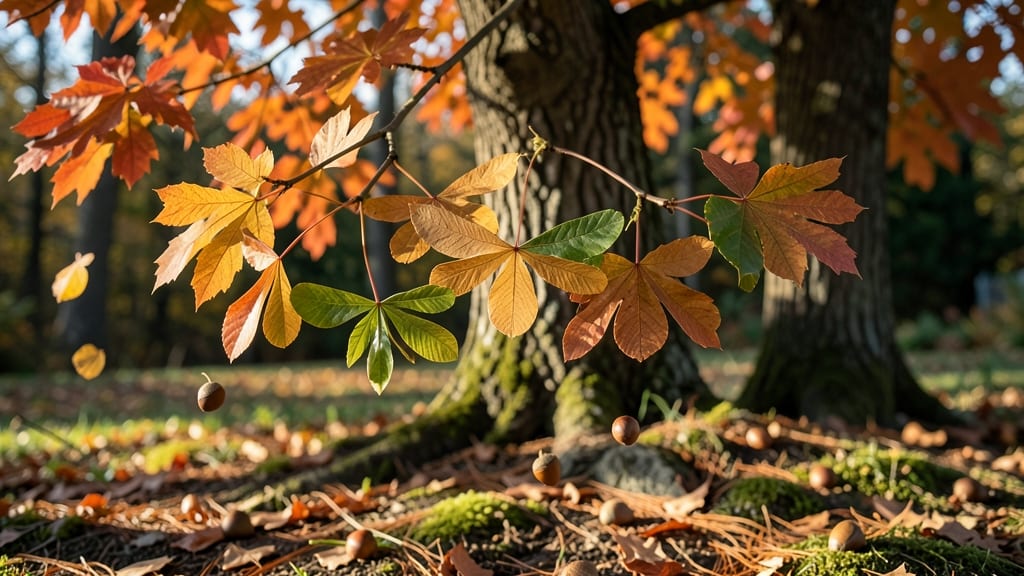
The identification of maple tree seed pods starts with their signature helicopter shape—those papery wings that spin like tiny propellers when they fall. 🌿 I’ve spent years watching them flutter to the ground in my yard, and I’ve learned the subtle differences between species can save you from misidentifying your tree.
Sugar maples have broad, rounded wings, while silver maples sport narrower, more elongated ones—key details that narrow down the type instantly.
The size and leaf shape are your next clues: sugar maple pods measure about 1.5 to 2 inches long, with leaves that have smooth edges and a classic "V" notch at the base.
Silver maple pods are slightly smaller (1 to 1.5 inches), and their leaves have jagged edges and a pointed tip. Compare these features to your tree’s pods and leaves, and you’ll pinpoint the species in minutes.
Healthy pods stay crisp and green until they ripen, then turn brown and release seeds. If you spot discolored spots, holes, or sticky residue, pests or disease might be at play—common issues that can weaken the tree.
A quick shake of the branches (from a safe distance!) reveals whether the pods are falling early, a sign of stress or infestation.
Grab a notebook and jot down wing shape, leaf details, and any abnormalities—this simple checklist becomes your go-to reference for future identification. Whether you’re curious about your backyard tree or just love the autumn spectacle, these clues turn seed pods into a window into your maple’s health and identity.
The Science Behind Seed Pods
Maple tree seed pods—those iconic "helicopters" or "whirligigs"—are a fascinating result of nature’s engineering. But why do they form in the first place? The answer lies in a mix of reproductive strategy, environmental adaptation, and genetic survival tactics.
Let’s break down the key reasons these pods develop, from the tree’s perspective.
Maple trees rely on wind pollination and seed dispersal to spread their offspring far and wide. Here’s how seed pods play a role:
- Pollination first: Maple trees produce flowers in early spring, which are pollinated by wind (not insects). The fertilized flowers then develop into samaras—the winged seed pods we recognize.
- Winged design for distance: Each pod contains one or two seeds encased in a papery, spiral-shaped wing. This shape creates lift and stability as wind carries them away from the parent tree, reducing competition for resources.
- Evolutionary advantage: By spreading seeds up to 200 feet away, maples avoid overcrowding and increase the chances of seeds landing in sunlit, nutrient-rich soil—ideal for germination.
Pro tip: 🌡️ The size and shape of these wings vary by maple species (e.g., sugar maples have broader wings than boxelder maples), which affects how far seeds travel!
Seed pods don’t appear randomly—they’re a seasonal response to specific conditions. Here’s what kickstarts their growth:
- Day length and temperature: Maple trees are photoperiod-sensitive, meaning they detect changes in daylight hours. As days shorten in late summer, the tree shifts from leaf production to reproductive growth, triggering flower buds to form.
- Nutrient availability: A tree with adequate nitrogen and phosphorus produces healthier pods. Poor soil or drought stress can lead to smaller, fewer, or malformed pods.
- Tree maturity: Young maples (under 10 years old) may produce no or few pods since they prioritize root and trunk growth. Mature trees (20+ years) enter peak pod-producing years.
Fun fact: 🍁 Some maples, like the silver maple, produce pods earlier in the season (late spring) than others, giving them a competitive edge in warmer climates.
Not all maple seed pods look alike—and that’s by design. Genetic differences explain why pods vary in:
| Trait | Why It Varies | Example |
|---|---|---|
| Wing length | Longer wings = farther dispersal (adapted to open areas). Shorter wings = denser forests where seeds don’t need to travel as far. | Sugar maple (long wings) vs. boxelder (shorter, stubbier wings) |
| Seed count per pod | Some species produce single-seeded pods (e.g., red maple), while others have paired seeds (e.g., Norway maple). This balances energy use and survival odds. | Red maple (usually one seed) vs. silver maple (often two) |
| Pod color and texture | Lighter-colored pods (e.g., sugar maple’s greenish wings) may reflect more sunlight, reducing heat damage during drying. Darker pods (e.g., boxelder) might absorb heat faster in sunny climates. | Greenish (sugar maple) vs. reddish-brown (boxelder) |
Pro tip: 🔍 If you’re trying to identify a maple species by its pods, compare these traits to a visual guide—wing shape and seed arrangement are your best clues!
Understanding these mechanisms helps explain not just why maple pods exist, but also how they’ve evolved to thrive in diverse ecosystems. Next, let’s explore how to tell these pods apart by species!
Quick Fixes for Maple Seed Pods
Maple seed pods—those iconic "helicopters"—can be a nuisance when they blanket your lawn or clog gutters. But with the right approach, you can manage them effectively. Below are practical solutions tailored to common issues, from identification to cleanup and long-term prevention.
Cause: Maple trees produce thousands of seed pods annually, which fall in autumn and create a messy layer.
Fix It:
- 🔥 Rake Regularly – Use a leaf rake to gather pods into piles (2–3 times a week during peak drop).
- 🍳 Bag or Mulch – Collect pods in compost bins (they break down over time) or mulch them into garden beds.
- 👨🍳 Prevent Overgrowth – Trim lower branches to reduce pod production near walkways.
💡 Pro Tip: If pods are too heavy for raking, try a blower-vac for faster cleanup!
Cause: Wind carries lightweight pods into gutters, causing water damage and blockages.
Fix It:
- 🔪 Clear Gutters Early – Inspect and remove pods before they soak and stick (fall/winter prep).
- ⏰ Install Mesh Screens – Use fine-mesh gutter guards to block pods while allowing water flow.
- 🌡️ Flush with Hot Water – If pods stick, pour boiling water (safely!) to loosen them before scrubbing.
✨ Prevention: Plant pod-resistant ground covers (like creeping thyme) near gutters to catch falling debris.
Cause: Seed pods attract squirrels, birds, and insects, which may nest in your yard.
Fix It:
- 🎯 Relocate Nests Humanely – If animals build nests, wait until young are fledged (spring/summer) and gently remove materials.
- 🥗 Offer Alternatives – Place bird feeders away from structures to reduce nesting near your home.
- 🍎 Trim Trees Strategically – Prune branches 10+ feet high to discourage ground-level nesting.
🔥 Warning: Avoid pesticides—some animals (like bats) are protected and play key roles in ecosystems!
Cause: Some maple species (like Silver Maple) produce excessive pods, overwhelming cleanup efforts.
Fix It:
- 🌳 Selective Pruning – Remove 1/3 of the canopy in late winter to reduce seed production.
- 🔄 Consider Removal – If pods are unbearable, consult an arborist about partial or full tree removal (last resort).
- 🌿 Plant Pod-Resistant Trees – Swap maples for ornamental cherries, dogwoods, or ginkgo (which have fewer messes).
💡 Pro Tip: Female maples produce the most pods—if possible, plant male-only cultivars (like Acer platanoides ‘Globosum’) for minimal seeds.
Final Thought: While maple seed pods are a natural part of the tree’s lifecycle, a little strategic maintenance goes a long way. Start with weekly raking, gutter guards, and smart pruning to keep your yard tidy—without sacrificing the tree’s beauty! 🌳✨
Frequently asked questions about maple tree seed pods
How can I tell if my maple tree seed pods are healthy?
Healthy maple seed pods should be firm, greenish-brown when fresh and turn uniformly brown as they mature. Look for crisp, papery wings without holes or discoloration. If pods appear shriveled, sticky, or covered in black spots, your tree might have pests like aphids or fungal issues like tar spot disease.
Why do some maple seed pods fall early?
Early pod drop usually signals stress—common causes include drought, nutrient deficiency, or pest infestations. Young trees or those recovering from damage may also shed pods prematurely. Check the tree's leaves for yellowing (nutrient issues) or holes (insects), and water deeply if the soil feels dry.
Can I use maple seed pods for anything besides cleanup?
Dry pods make great natural confetti for fall decorations or can be used in art projects (like mobiles or wreaths). They also decompose quickly, making excellent mulch for garden beds. Just avoid pods from diseased trees.
What's the difference between sugar maple and silver maple seed pods?
Sugar maple pods have broader, rounded wings (1.5-2 inches) with a single seed, while silver maple pods are narrower (1-1.5 inches) and often contain two seeds. Sugar maple wings spread wider when dry, creating a more dramatic "helicopter" shape.
Are maple seed pods harmful to pets or wildlife?
While not toxic, large quantities can be a choking hazard for small pets or birds if ingested. The pods themselves are safe to decompose, but avoid using pesticides near them—this can harm beneficial insects and wildlife that rely on maple seeds for food.