
How To
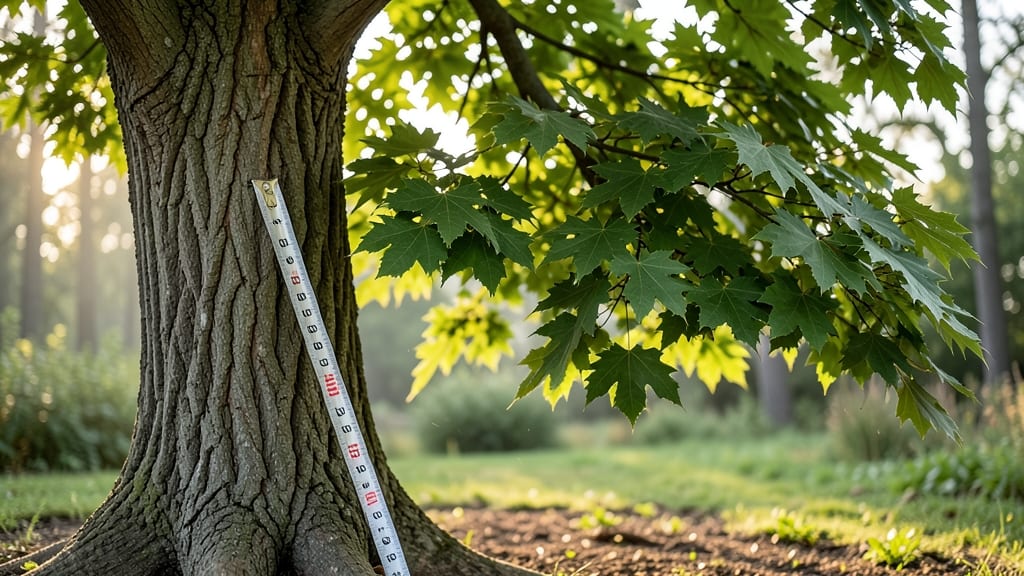
How tall does a maple tree grow? The answer varies dramatically—from 15 feet to towering 120 feet, depending on the species and growing conditions.
If you're dreaming of a majestic shade tree for your yard, maple trees are a top choice—but their mature height can vary dramatically by species. From towering giants like the sugar maple to compact urban-friendly varieties, knowing the right size for your space is key to planting success.
For example, a sugar maple can reach 75–100 feet with a spread of 40–60 feet, while a Japanese maple stays under 25 feet, making it perfect for smaller gardens. The right choice depends on your yard’s size, sunlight, and climate.
Below, I’ll break down how fast maple trees grow, spacing tips to avoid overcrowding, and how to prune for optimal height—so you can pick the perfect variety for your landscape.


Maple tree height by species: mature sizes and growth rates
Choosing the right maple tree for your yard starts with understanding their mature heights. Some varieties grow taller than a 4-story building, while others stay compact enough for urban gardens.
The sugar maple and red maple are classic giants, while Japanese maples offer elegant, smaller options. Let's explore how tall each grows and how quickly they reach maturity.
Your yard's size and layout will determine which species fits best. A silver maple might outgrow your space in 20 years, while a dwarf Japanese maple could thrive for decades without becoming a problem.
Always check local USDA hardiness zones—some maples struggle in extreme climates, affecting their growth potential.
Key factors like soil quality, sunlight exposure, and water access can influence a maple's height by 20-30%. For example, a red maple in poor soil might max out at 50 feet instead of its typical 60-70 feet. Let's compare the most popular species in the table below to help you plan.
The sugar maple is the slowest grower among giants, taking 30-50 years to reach its full height. Its slow growth rate makes it ideal for long-term shade, but it requires patience.
Meanwhile, the silver maple grows 2-3 feet per year, reaching maturity faster but with weaker wood that may need support as it ages.
If you're working with limited space, Japanese maples are the best choice. Their dwarf varieties like 'Bloodgood' or 'Emperor I' stay under 15 feet tall, perfect for patios or small yards.
These varieties also offer stunning fall foliage colors, from deep reds to vibrant oranges, without the commitment of a large tree.
For urban landscapes, consider the red maple—its moderate growth rate and adaptability make it a great compromise. Plant it 20-30 feet from structures to avoid future issues with spreading roots. Always check local tree ordinances before planting, as some areas restrict large species.
Pruning young maples can influence their height by up to 25%. For example, if you prune a red maple aggressively in its first 5 years, you might reduce its mature height by 10-15 feet.
However, avoid heavy pruning on sugar maples, as they're sensitive to stress and may produce fewer leaves.
Climate plays a surprising role in height. In warmer zones (8-10), maples like the red maple can grow 10-20% taller due to longer growing seasons. Conversely, in colder zones (3-5)
How fast do maple trees grow? Height progression by age
Maple trees are famous for their stunning foliage and towering heights, but their growth speed varies wildly by species. Some varieties like the sugar maple can take decades to reach their full majestic stature, while others like the silver maple grow much faster.
Understanding these growth patterns helps you plan for long-term yard design and space management.
In their first year, most maple seedlings grow just 2-4 feet tall, but by year 5, they can shoot up to 15-20 feet under ideal conditions. The real growth spurt happens between years 10-20, where some species gain 3-5 feet annually.
Let’s break down how different maple varieties grow over time and what factors speed up or slow down their progress.
🌳 Key Growth Factors: Soil quality, sunlight exposure, and climate zone all impact growth rates. Maple trees thrive in well-draining, slightly acidic soil with 6+ hours of sunlight daily. In colder climates (USDA zones 3-6), growth may slow during winter months, while warmer zones see year-round growth potential.
📊 Growth Chart Comparison: Below is a side-by-side look at how four popular maple species grow by age. Use this to predict your tree’s future height and plan spacing accordingly.
Notice how the silver maple grows the fastest, reaching 40-60 feet by year 10, while the Japanese maple stays compact, ideal for small gardens. If you’re planting near power lines or sidewalks, choose a slower-growing variety like the sugar maple to avoid future conflicts.
To maximize growth, plant your maple tree in full sun and well-draining soil. Mulch around the base to retain moisture and add nutrients. Avoid over-fertilizing, as maples prefer natural soil conditions. Prune in late winter to remove dead branches and encourage a stronger structure.
With the right care, your maple tree will thrive and become a stunning centerpiece for your landscape. Just remember: patience is key—some varieties take decades to reach their full potential! 🌿