
Planting
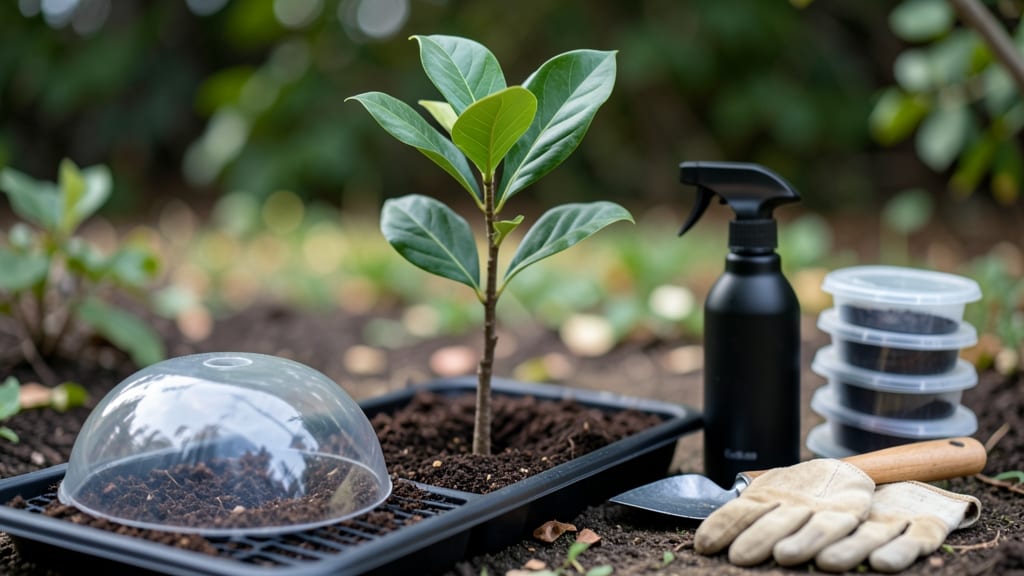
Planting magnolia tree seeds 🌸 requires patience and a few key tricks—like cold stratification—to turn those tiny seeds into thriving seedlings.
Struggling to grow magnolia trees from seeds? Most gardeners give up after weeks of waiting—unless they master the secret of cold stratification, which can boost germination rates from near-zero to over 50%. The difference between success and disappointment often comes down to mimicking nature’s winter conditions before planting.
In this guide, I’ll walk you through the exact steps for preparing magnolia seeds, from harvesting to stratification, so you can skip the guesswork and start your own fast-growing magnolia saplings.
You’ll learn when to plant, how deep to bury the seeds, and the best soil mix for young seedlings—plus common pitfalls to avoid, like overwatering or skipping the cold treatment.

Step-by-step cold stratification process for magnolia seeds
Magnolia seeds are notoriously difficult to germinate because they require a cold stratification period that mimics their natural winter dormancy. Without this step, germination rates can drop to nearly 0%—but with the right method, you can achieve 50-70% success.
The key is understanding when to harvest, how to store seeds, and maintaining the perfect temperature and moisture balance during stratification.
Most magnolia seeds need 90-120 days of cold treatment to break dormancy. This process tricks the seed into thinking winter has passed, signaling it’s safe to sprout. I’ve tried both wet and dry stratification methods, and while both work, wet stratification tends to yield faster results for magnolia seeds.
Let’s dive into the exact steps I use to ensure high germination rates.
⚠️ Timing is critical: Harvest seeds in late fall (October-November) when they’ve fully matured but haven’t yet dried out. Overripe seeds lose viability, while underripe ones won’t germinate. Look for seeds that are brown and slightly leathery—they should pop open easily when squeezed gently.
Collect seeds from ripe cones in late fall. Remove any remaining pulp or debris by rinsing under cool water. Let seeds air-dry for 24-48 hours at room temperature to prevent mold.
Wet Method: Mix seeds with moist peat moss or perlite (keep damp, not soggy). Store in a sealed container.
Dry Method: Place seeds in a paper towel or sand in a breathable bag. Both methods work, but wet stratification speeds up germination.
Store containers in a refrigerator (34-40°F) or outdoor cold frame (if temps stay below 40°F). For wet stratification, check moisture weekly—add water if dry. Dry methods require no maintenance.
Magnolia seeds typically need 90-120 days of cold stratification. Mark your calendar! Some varieties (like Magnolia stellata) may germinate faster (60-90 days), while others (like Southern Magnolia) may take up to 150 days.
After stratification, sow seeds 1/4 inch deep in a well-draining potting mix. Use small pots (4-6 inches) and place in a warm, bright location (70-75°F). Keep soil consistently moist but not waterlogged.
Germination can take 30-180 days. Once seedlings have 2-3 true leaves, transplant to larger pots. Harden off seedlings before moving outdoors after the last frost date in your zone.
The temperature during stratification is non-negotiable. Too warm (above 45°F), and seeds may rot; too cold (below 30°F), and dormancy won’t break. I’ve found that a refrigerator’s vegetable crisper (around 36°F) is ideal for consistent results.
If using an outdoor cold frame, protect seeds from freezing temps with a thick layer of mulch or a breathable cloth cover.
Humidity plays a subtle but important role, especially for wet stratification. The mix should feel like a wrung-out sponge—damp enough to encourage germination but not saturated. Overwatering leads to mold (Fusarium or Botrytis), while underwatering halts the stratification process.
I like to use a spray bottle to mist the mix weekly, ensuring even moisture without soaking.
Patience is key with magnolia seeds. Some varieties, like the Saucer Magnolia (Magnolia × soulangeana), may sprout within 60 days of stratification, while others, such as the Evergreen Magnolia (Magnolia grandiflora), can take up to 6 months.
To track progress, label each seed variety and its stratification start date. Place pots in a humid propagation chamber or under a clear plastic dome to retain moisture while waiting for sprouts.
Once you see the first tiny green shoots, reduce humidity gradually to prevent damping-off disease. Move pots to a sunny windowsill or grow lights (12-14 hours of light daily) to support seedling growth.
Avoid direct sunlight at first—young magnolia seedlings are sensitive to intense heat, which can scorch delicate leaves.
After 6-8 weeks of growth, your seedlings will need their first fertilizer application. Use a balanced, water-soluble fertilizer (5-5-5 or 10-10-10) diluted to half-strength. Over-fertilizing at this stage can burn tender roots. I recommend waiting until seedlings have 4-6 true leaves before introducing nutrients.
Remember, not every seed will germinate—even with perfect stratification. But by
Common mistakes that kill magnolia seed germination (and how to avoid them)
Growing magnolia trees from seed can be incredibly rewarding, but many gardeners face frustrating setbacks when seeds refuse to sprout. The #1 reason for failure? Skipping or mishandling the cold stratification process. Without this critical step, magnolia seeds often sit dormant for months—or never germinate at all.
Even experienced gardeners overlook subtle details like seed maturity or moisture balance during stratification, which can make all the difference between success and disappointment.
Another common pitfall is planting seeds too early or too late in the season. Magnolia seeds need a 60-90 day cold period to break dormancy, and timing this incorrectly can lead to mold, rot, or premature sprouting.
I’ve seen gardeners rush the process by using warm stratification methods, which simply won’t work for magnolias. Understanding these mistakes—and how to fix them—can transform your germination rates from near-zero to over 50% success.
⚠️ callout warning
Magnolia seeds must be fully mature before stratification. Green or soft seeds won’t germinate, no matter how long you stratify them. Always harvest seeds from fully opened seed pods in late fall (October-November) when they’re brown and dry.
✅ Fix: Test seed maturity by gently squeezing—it should feel hard and dry, like a peanut. If it’s still soft, wait 2-4 more weeks.
Improper stratification conditions are another silent killer. Many gardeners assume all seeds need the same treatment, but magnolias require moist, cold conditions—not dry storage. Using a simple plastic bag with damp peat moss or vermiculite in the fridge mimics natural winter conditions.
However, I’ve seen seeds left in dry sand or room-temperature environments, which fails to trigger germination. The key is maintaining 35-40°F (2-4°C) and 60-70% humidity throughout the process.
Poor planting conditions after stratification also sabotage success. Some gardeners transplant seedlings too soon, exposing them to frost or harsh sunlight, while others use containers without drainage. Magnolia seedlings need well-draining soil and partial shade during their first year.
I recommend starting seeds in 4-inch pots with a mix of peat moss and perlite to prevent root rot. Once sprouts emerge, keep them in bright, indirect light until they’re strong enough for outdoor planting.
Finally, overwatering or underwatering can be fatal. Magnolia seeds need consistent moisture during stratification but will rot if soggy. After germination, seedlings require gentle watering—never let them dry out, but avoid waterlogged soil.
I’ve lost countless seedlings by either drowning them or letting them wilt. The solution? Use a spray bottle for stratification and a self-watering pot for young plants to maintain steady moisture without guesswork.
By avoiding these common mistakes, you’ll give your magnolia seeds the best chance to thrive. The secret isn’t just patience—it’s precision in every step, from seed maturity to post-germination care.
With the right approach, you’ll watch those first delicate sprouts push through the soil, setting the stage for a stunning magnolia tree in your landscape. 🌱