
Plants
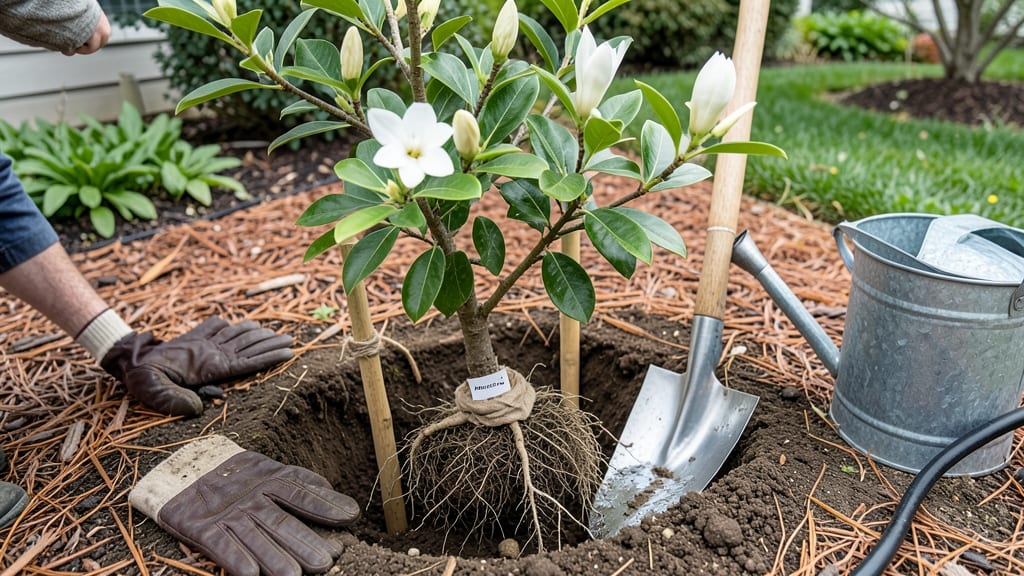
To plant a magnolia tree in Zone 7, aim for late fall or early spring when soil temperatures are cool but frost-free—this timing gives roots 3-4 months to establish before summer heat arrives.
Planting a magnolia tree at the wrong time in Zone 7 can stunt its growth—or even kill it before it takes root. Timing isn’t just about seasons; it’s about soil warmth, rainfall patterns, and avoiding late frosts that could devastate your $500 investment in a stunning 🌸 specimen.
Most gardeners in 7a-7b zones rush to plant in spring, but late fall (October-November) is actually the best window—the tree enters dormancy naturally, and roots grow steadily without competing with summer heat.
Below, I’ll walk you through the exact frost dates to watch, soil prep tricks that double root growth, and why mulching in the first month makes all the difference for long-term health.
Optimal planting months for magnolia trees in Zone 7
In Zone 7, planting your magnolia tree at the right time can mean the difference between a thriving specimen and a struggling one. The ideal window spans three critical months—October, November, and March—when soil temperatures and moisture levels create perfect conditions for root establishment.
This timing avoids both the late spring frosts and the intense summer heat that can stress young magnolias.
Magnolia trees are deciduous or evergreen, but both types benefit from being planted when the ground is cool but workable (above 40°F) and before the active growing season begins.
In Zone 7, this means fall planting (October-November) or early spring planting (March) offers the best balance of soil warmth and moisture retention.
Soil temperature is your best friend here. Magnolias need soil that’s above 40°F but below 70°F to encourage root growth without overheating. In Piedmont Zone 7 (e.g., Raleigh, Charlotte), soil warms faster than in Appalachian Zone 7 (e.g., Asheville, Knoxville), so adjust your timing accordingly—Appalachian zones may need to plant slightly later in spring or earlier in fall.
Let’s break down the best planting months for Zone 7, including frost risk, soil conditions, and regional microclimates that can shift your ideal window by 2-4 weeks.
| Planting Window | Ideal Months in Zone 7 | Soil Temperature | Frost Risk | Piedmont Zone 7 (e.g., Raleigh) | Appalachian Zone 7 (e.g., Asheville) |
|---|---|---|---|---|---|
| Fall Planting | October–November | 40–60°F | Low (post-first frost) | October 1–November 15 (soil cools faster) | October 15–November 30 (cooler microclimate) |
| Early Spring Planting | March–Early April | 50–65°F | Moderate (late frosts) | March 15–April 1 (warmer soil earlier) | April 1–April 15 (cooler soil delays planting) |
| Critical Avoid | May–September | Above 70°F | High (summer drought) | Soil too dry; roots struggle to establish | Heat stress; increased pest risk |
| Secondary Window | Late February (Appalachian) | 45–55°F | High (late frosts) | Risky; wait until March | Possible if soil is workable |
*Adjust dates based on local frost data—check your USDA Zone 7a/7b last frost averages.
If you’re in the Piedmont region of Zone 7, aim for October 1–November 15 or March 15–April 1. The soil warms up faster here, so early spring planting is often safer.
In contrast, Appalachian Zone 7 gardeners should plant October 15–November 30 or April 1–April 15 to avoid late frosts that can linger into April.
One critical mistake is planting in late spring or summer. Soil temperatures can exceed 70°F, causing roots to overheat and dry out before they establish. Young magnolias planted in June–August often struggle and may require extra irrigation and shade cloth to survive.
For bare-root magnolias, fall planting is ideal because the tree can establish roots before dormancy sets in. If you choose container-grown magnolias, early spring planting gives roots time to acclimate before summer heat arrives. Always water deeply after planting and mulch heavily (3–4 inches) to retain moisture.
Pro tip: Use a soil thermometer to confirm soil temps are in the 40–65°F range before planting. This small tool can save your magnolia from transplant shock or root rot. Pair it with a local frost calendar to pinpoint the 30-day frost-free window for your area.
Remember, magnolias are long-lived investments—some varieties live 100+ years. Giving them the best start with proper timing ensures they’ll reward you with fragrant blooms and lush foliage for decades.
Plant in the optimal window, and your magnolia will thank you with vigorous growth and minimal stress. 🌸
How to prepare your Zone 7 soil for magnolia planting success
Magnolia trees thrive when planted in well-draining, slightly acidic soil with a pH between 5.0 and 6.5. In Zone 7, your soil prep should focus on three key areas: pH adjustment, drainage improvement, and organic matter enrichment.
Skipping these steps can lead to poor root development, stunted growth, or even tree death within the first year.
Before you dig, test your soil’s pH using a home testing kit or send a sample to your local cooperative extension service. If your soil is too alkaline (above 7.0), amend it with elemental sulfur or pine bark fines.
For acidic soil (below 5.0), add lime sparingly—magnolias are sensitive to sudden pH shifts.
- 1 Test soil pH (ideal: 5.0–6.5) 2–3 weeks before planting. Use a digital pH meter for accuracy.
- 2 Improve drainage by mixing in sand or perlite if your soil is clay-heavy. Aim for 20–30% organic matter in the planting hole.
- 3 Amend with compost (not peat moss) for nutrient-rich soil. Avoid fresh manure—it can burn roots and disrupt pH balance.
- 4 Time amendments with planting: For fall planting (Oct–Nov), amend in September. For spring planting (Mar–Apr), amend in February.
- 5 Loosen soil to 12–18 inches deep around the planting site. Use a broadfork to avoid compacting roots.
For clay-heavy soils common in Zone 7, blend in coarse sand or expanded shale to prevent waterlogging. Magnolias hate soggy roots, which can lead to root rot and fungal diseases. If your yard has poor drainage, consider planting on a slight mound to elevate the root zone.
Organic matter is non-negotiable for magnolias. While compost is ideal, avoid peat moss—it lowers pH too aggressively and drains nutrients. Instead, mix in well-aged compost (3–4 inches) and leaf mold for a slow-release nutrient boost. Work these into the top 12 inches of soil before planting.
If you’re planting in late fall (October–November), time your soil amendments for 6–8 weeks beforehand to allow microbes to break down organic matter. For spring planting (March–April), amend in February so the soil has time to stabilize before roots establish.
Always water amendments deeply after mixing to activate decomposition.
Finally, mulch the planting area with 3–4 inches of pine straw or shredded bark to retain moisture and regulate soil temperature. Keep mulch 6 inches away from the trunk to prevent rot.
With the right soil prep, your magnolia will establish strong roots within 60–90 days, setting the stage for decades of blooms.