
Planting
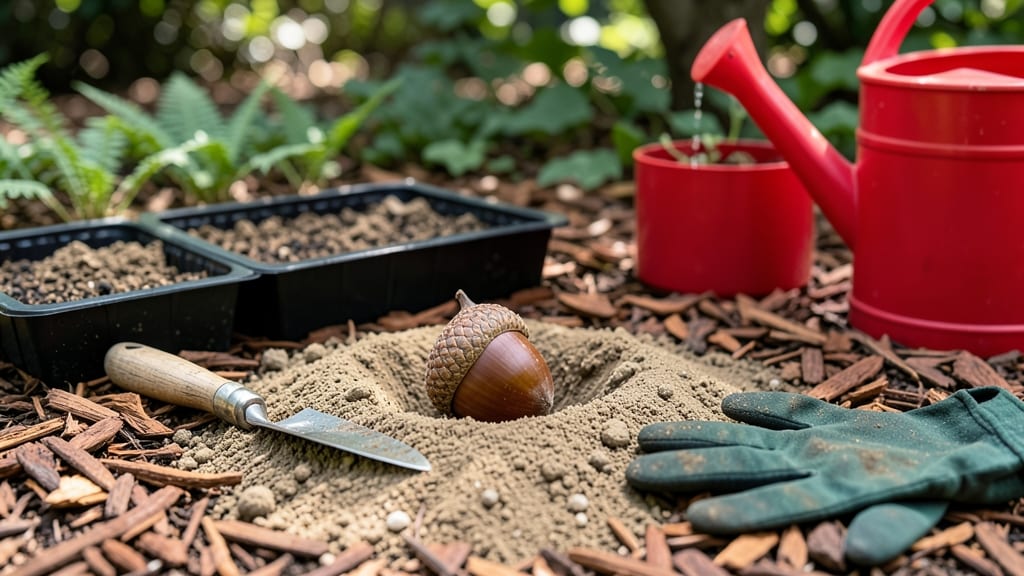
Planting an oak tree seed is the ultimate long-term investment—one that will reward you with shade for decades. 🌳 The key to success lies in patience, proper preparation, and understanding that acorns don’t sprout overnight.
I’ve watched my own oak seedlings emerge after months of careful nurturing, and the process is far more manageable than most people realize.
First, you’ll need fresh acorns from a healthy oak tree—preferably white or red oak—and a well-draining soil mix. Planting depth matters: bury the acorn twice its size deep, about 2-3 inches, in a container or directly in the ground.
Choose a spot with full sun and protect it from squirrels, which love acorns as much as you do. Water lightly but consistently, keeping the soil moist—not soggy—until germination.
Within 3-6 months, you might see a tiny sprout pushing through the soil, but don’t rush it. Young oak seedlings need gentle care—no heavy watering or fertilizing—until they’re strong enough to handle outdoor conditions.
By the time they’re 12 inches tall, you can transplant them to their permanent home, where they’ll grow into a majestic tree. The real magic happens years later, when that sapling becomes the centerpiece of your yard.
Here’s the secret: oak trees thrive with minimal interference once established. Focus on the first year, and the rest will take care of itself. Whether you’re planting in a container or directly in the ground, this method works for any climate—just adjust watering based on rainfall.
Ready to start your oak tree journey?
📚 In This Guide
- What you need
- Instructions
- Tips and common mistakes
- Wrapping up and next steps
What you need
- ● Acorns: 3–5 fresh, plump acorns (preferably from a Quercus species like white oak or red oak). Pro tip: 💡 Avoid cracked or wormy acorns—they won’t sprout!
- ● Well-draining potting mix: 1–2 bags of cactus/succulent mix or a blend of 50% peat moss, 30% perlite, and 20% sand (sterilized).
- ● Small pots or containers: 3–5 3–4 inch diameter pots with drainage holes (plastic or biodegradable options work).
- ● Spray bottle: For gentle watering (avoid over-saturating the soil).
- ○ Plastic wrap or humidity dome: To create a mini greenhouse effect (optional but helpful for germination).
- ● Labeling tags: To track planting dates and species.
- ● Sunlight access: A south-facing windowsill or grow light (12–16 hours of light daily).
- ● Seed stratification kit: If your acorns aren’t pre-chilled, a refrigerator (for 6–8 weeks) or a cold stratification mix (peat moss + sand).
- ● Fertilizer: A balanced, water-soluble fertilizer (diluted to half-strength) for saplings after 3 months.
- ● Outdoor hardening area: A shaded, sheltered spot (like a porch or greenhouse) for transitioning seedlings to outdoor conditions.
- ● Mulch: Pine straw or shredded leaves to retain moisture once transplanted.
Step-by-step instructions for planting an oak tree seed
Here’s how to transform an acorn into a sturdy sapling—nature’s slowest but most rewarding project.
🌱 Step 1: Select and Prepare the Acorn
Choose a full-sized acorn (at least 1 inch long) with a firm, unblemished cap—this ensures it’s mature and healthy. Remove the cap carefully, as it contains natural tannins that slow germination. If the acorn feels dry or lightweight, soak it in lukewarm water for 24 hours to rehydrate the seed coat.
I like to plant acorns in late fall or early winter to mimic their natural dormancy cycle. If you’re starting indoors, place the acorn in a small pot (3-4 inches deep) filled with moist, well-draining potting mix. Press it ½ inch deep into the soil, cap-side down, and label it with the date—patience is key here.
🌿 Step 2: Stratify for Germination (Cold Treatment)
Oak seeds need cold stratification to break dormancy. Place the pot in a plastic bag and refrigerate it for 60-90 days at 35-40°F. Keep the soil lightly moist (not soggy) by checking weekly—you’ll see condensation on the bag’s sides, which means humidity is right.
Here’s the thing—don’t rush this step. The cold period mimics winter conditions, tricking the seed into thinking spring has arrived. After 90 days, remove the pot and place it in a bright, indirect light spot (like a north-facing window). Germination can take another 30-60 days, so stay consistent with moisture checks.
☀️ Step 3: Transplant to a Permanent Spot
Once the seedling reaches 4-6 inches tall (usually 3-6 months after planting), it’s ready for its forever home. Choose a sunny, well-drained location with plenty of space—oaks grow 50-80 feet tall and need room to spread. Dig a hole twice as wide as the root ball but only as deep as the container.
Water the sapling deeply the day before transplanting to reduce shock. Gently remove it from the pot, loosen any circling roots with your fingers, and place it in the hole so the top of the root ball sits level with the soil surface. Backfill with native soil, tamp lightly, and create a 2-inch watering basin around the base.
💧 Step 4: Care for the Young Sapling
Water deeply once a week (or when the top 2 inches of soil feel dry) for the first year—oaks hate soggy roots but need steady moisture to establish. Mulch with 2-3 inches of organic mulch (like wood chips) to retain moisture and suppress weeds, but keep mulch 6 inches away from the trunk to prevent rot.
Watch for pale leaves or wilting—these are signs of overwatering or poor drainage. Oak seedlings grow slowly, so don’t fertilize in the first year. Instead, focus on protecting it from deer, rabbits, and strong winds until it’s at least 3 feet tall. A wire cage around the sapling can save it from hungry critters.
⏰ Step 5: Monitor Growth and Prune Wisely
After 2-3 years, your oak will need light pruning to remove dead, crossing, or weak branches. Use clean, sharp pruners to make cuts just above a bud or branch collar—never leave stubs. Prune in late winter or early spring before new growth starts.
Real talk: Don’t over-prune. Oaks grow best when left alone, so only remove branches that are compromising the tree’s structure. By year 5, your sapling will start looking like a real oak—thick trunk, sturdy branches, and the promise of centuries of shade. That’s the magic of patience.
Tips & tricks for planting oak tree seeds
Here's what I've learned after watching acorns transform into towering oaks—lessons that'll help you avoid common pitfalls.
Acorn Selection: The size and condition of your acorn make all the difference. Look for specimens that weigh heavy for their size—this indicates full moisture content. I've found that acorns with smooth, unblemished shells and a firm cap germinate most reliably. Avoid any that feel hollow when tapped or show signs of insect damage, as these won't develop properly. The 24-hour soaking step is crucial for dry acorns, but don't over-soak—just enough to rehydrate the seed coat.
Stratification Success: That 60-90 day cold treatment at 35-40°F is non-negotiable for oak seeds. I've tried skipping it, and the acorns either never sprouted or produced weak seedlings. Use a clear plastic bag with small holes for humidity control—you should see condensation but no standing water. Place the pot on a refrigerator shelf (not the crisper drawer) for consistent temperatures. Mark your calendar when you start, as this precise timing mimics nature's winter cycle.
Transplanting Technique: The moment you move your seedling outdoors is critical. When it reaches 4-6 inches tall, harden it off by placing the pot outside for 2-3 hours daily over a week before permanent transplanting. This gradual adjustment prevents shock. When planting, create a 2-inch watering basin around the base—this helps direct water to the roots where it's needed most. The first year is all about establishing roots, so proper transplanting sets the foundation for decades of growth.
Patience Pays Off: Oak seedlings grow at their own pace—there's no rushing this process. I've seen seedlings take 3-6 months just to reach transplant size, and that's perfectly normal. The key is consistency: weekly deep watering (about 1 gallon per watering for young saplings) and 2-3 inches of mulch to retain moisture. Resist the urge to fertilize—oaks establish better without it. Think of this as a long-term investment, not a quick project.
Pro Tips for Plant An Oak Tree Seed
- Here's what I've learned after watching acorns transform into towering oaks—lessons that'll help you avoid common pitfalls.
- Acorn Selection: The size and condition of your acorn make all the difference.
- Stratification Success: That 60-90 day cold treatment at 35-40°F is non-negotiable for oak seeds.
Frequently asked questions
Got questions about growing an oak tree from an acorn? You’re not alone—this process can feel tricky! Here are answers to the most common queries to help you succeed.
How long does it take for an acorn to sprout?
Acorns typically sprout in 4 to 12 weeks under ideal conditions (warmth, moisture, and darkness). If planted in fall, they may wait until spring—oak seeds are built for patience! Check moisture levels; dry soil can delay germination.
Can I plant an acorn directly in the ground?
Yes, but timing matters! Plant acorns in late fall or early winter (before squirrels dig them up) for natural stratification. If planting in spring, soak the acorn for 24 hours first. Dig a shallow hole (1–2 inches deep) and cover lightly—no need to bury deeply.
What if my acorn won’t sprout?
Don’t worry—acorns are fussy! Try these fixes:
- Check freshness: Old or shriveled acorns rarely sprout. Pick plump, healthy ones.
- Test moisture: Keep soil damp (not soggy) during germination.
- Cold treatment: Refrigerate acorns in a damp paper towel for 4–6 weeks to mimic winter.
How big should my oak sapling be before transplanting?
Wait until your sapling has 3–4 true leaves (not the first seed leaves) and is at least 6–12 inches tall. Transplant on a cloudy day to reduce stress, and water thoroughly after moving. Young oaks are delicate—give them time to establish roots!
Will squirrels steal my acorns?
Squirrels love acorns and will bury (or eat) yours in seconds. To outsmart them:
- Plant acorns in wire mesh cages (temporary) until sprouted.
- Choose less accessible spots (e.g., under dense bushes).
- Harvest acorns early—fall mornings when squirrels are less active.
Wrapping up and next steps
Planting an oak tree seed is a rewarding journey that connects you to nature’s timeless cycle.
With patience, the right tools, and a little care, you can nurture an acorn into a thriving sapling—setting the stage for decades of growth. Now’s your chance to take action! Grab those supplies, find your perfect spot, and start the process today. Your future oak tree is waiting—let’s grow it together! 🌱💚