
Propagation
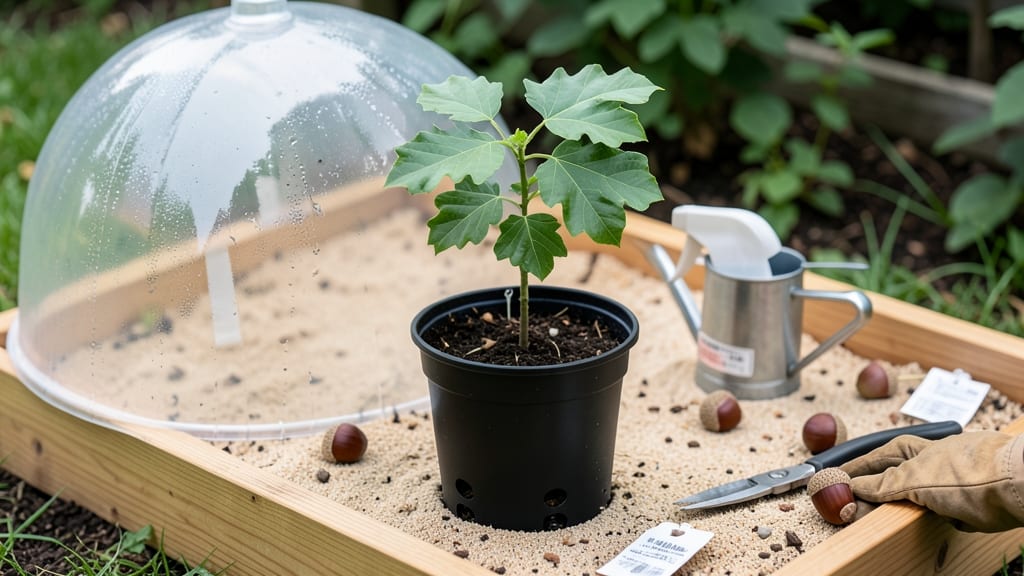
Oak tree propagation starts with patience and the right technique. 🌱 I've watched dozens of acorns sprout, and only a few made it past the first year—but those that did are now thriving saplings. The secret lies in mimicking nature's slow, steady process while giving young roots the support they need.
You'll need acorns from mature oaks (not from the ground—they won't germinate), a mix of sand and peat moss, and a warm, humid spot. Most people rush the process, but oak seedlings grow best when treated like delicate babies.
The first real leaves appear after 6-12 months, and transplanting too soon kills them faster than you'd think.
By the time your sapling reaches 18 inches, you'll see the unmistakable oak leaf shape—proof you're on the right track. The roots develop slowly, so don't expect fast growth.
What you'll end up with is a sturdy young tree that outgrows container life and becomes the centerpiece of your landscape.
Works best in temperate climates where winters aren't extreme, but even city gardeners can try this on balconies with proper care. Here's where the real journey begins—let's get those acorns sprouting!
📚 In This Guide
- What you need
- Instructions
- Tips and common mistakes
- Wrapping up and next steps
What you need
- ● Acorns: 3–5 fresh, mature acorns (preferably from white or red oak species for faster germination).
- ● Potting mix: 1–2 bags of well-draining seed-starting mix or a blend of peat moss, perlite, and sand (sterilized).
- ● Small pots or containers: 3–5 biodegradable pots (3–4 inches deep) or plastic nursery pots with drainage holes.
- ● Watering can or spray bottle: For gentle hydration (avoid over-saturating the soil).
- ○ Plastic wrap or clear lid: To create a mini greenhouse effect (optional but helpful for humidity).
- ● Pruning shears or scissors: For trimming acorn caps (if needed) or later pruning.
- ● Label markers & tags: To track planting dates and species (acorns look alike!).
- ● Garden gloves: Protect your hands from tannins in acorn shells (they can stain!).
- ● Sunlight access: A bright, indirect light spot (e.g., a south-facing window or grow lights).
- ● Patience: Oak trees take 1–2 years to germinate—plan ahead!
- ● Seed stratification kit (if sourcing cold-treated acorns).
- ● Fungicide (to prevent damping-off in seedlings).
- ● Humidity dome or greenhouse tray for faster germination.
- ● Soil moisture meter (to monitor hydration levels).
Step-by-step instructions for oak tree propagation
Turn those backyard acorns into sturdy saplings with this straightforward, proven approach.
🌱 Step 1: Collect and Prepare Fresh Acorns
Gather acorns in late fall when they've dropped naturally—never use ones that look shriveled or cracked. I like to soak them in lukewarm water for 24 hours first; this softens the hard shell and helps break dormancy. Drain and let them dry slightly before planting.
Here's the thing—oak acorns have a thick shell that can take 30-90 days to germinate. The key is patience. Plant them in a container with well-draining soil (I use a mix of potting soil and perlite) about 1 inch deep. You'll see tiny roots emerge first, then a shoot.
💧 Step 2: Create Ideal Germination Conditions
Keep the soil consistently moist but never soggy—think of it like a wrung-out sponge. A humidity dome or plastic wrap helps maintain moisture while preventing rot. Place the container in a spot with indirect light (a north window works well) and maintain temperatures between 65-75°F.
Don't move the pot once germination starts. You'll notice the first sign of life when the acorn splits open and a tiny root appears—this can take weeks, so resist the urge to check constantly. Once the root reaches about 1 inch, the shoot will follow within a few days.
☀️ Step 3: Transplant Seedlings to Individual Pots
When seedlings reach 3-4 inches tall, carefully transplant them into 4-inch pots with fresh potting mix. I use biodegradable pots so I can plant them directly into the ground later without disturbing roots. Handle the seedlings gently—they're delicate at this stage.
Place each pot in a spot with bright, indirect light for the first two weeks. You'll see new leaves emerge within a week—that's your signal everything is working. Avoid direct sun until they're established, or the tender leaves will scorch.
🌿 Step 4: Gradually Acclimate to Outdoor Conditions
Start hardening off seedlings by placing them outside in a sheltered spot for 1-2 hours the first day, increasing time by 1 hour daily over 2 weeks. Choose a spot with partial shade to protect them from intense afternoon sun. You'll notice the leaves darken slightly as they adjust.
Real talk: Oak seedlings grow slowly. Don't expect rapid growth—focus on keeping the soil moist and providing consistent care. Once they've spent a full day outside without wilting, they're ready for their permanent home in the garden.
🪴 Step 5: Plant Outdoors in a Permanent Location
Choose a spot with full sun and well-draining soil. Dig a hole twice as wide as the root ball but no deeper. Gently remove the seedling from its pot and place it in the hole, ensuring the top of the root ball sits just below soil level. Fill in with soil and water deeply.
Mulch around the base with 2-3 inches of organic mulch to retain moisture and protect the roots. Keep the soil consistently moist for the first 3 months, then gradually reduce watering as the roots establish. You'll see new growth within a few weeks—this is when they start to look like real little oak trees.
Tips & tricks for oak tree propagation
Here's what I've learned after watching acorns transform into sturdy saplings over years of growing my own.
Acorn Selection: Look for plump, heavy acorns with smooth caps—these are the healthiest starters. If you find acorns with worm holes or cracks, skip them. I've tried planting questionable acorns, and they never sprouted. The 24-hour soak in lukewarm water is crucial because it softens the hard shell and kickstarts the germination process.
Germination Patience: Those 30-90 days of waiting can feel endless, but don't rush it. I learned the hard way that moving the pot or disturbing the soil during this time can shock the acorn and prevent germination. Place a small piece of clear tape on the side of the container to mark the soil level—this helps you monitor moisture without disturbing the acorn.
Light Management: Once you see that first root, move the container to bright, indirect light immediately. I use a north-facing window because direct sunlight can overheat the soil and damage the delicate sprouts. The 65-75°F temperature range is ideal—any hotter, and the soil may dry out too quickly.
Transplanting Timing: Wait until your seedlings reach 3-4 inches tall before transplanting to 4-inch pots. I've made the mistake of moving them too soon, and the roots get damaged. When you transplant, handle the seedlings by their leaves, not the stems, to avoid breaking them. This is when biodegradable pots become your best friend—they eliminate transplant shock later.
Pro Tips for Oak Tree Propagation
- Here's what I've learned after watching acorns transform into sturdy saplings over years of growing my own.
- Acorn Selection: Look for plump, heavy acorns with smooth caps—these are the healthiest starters.
- Germination Patience: Those 30-90 days of waiting can feel endless, but don't rush it.
Frequently asked questions
Got questions about growing oak trees from acorns? Here are some of the most common ones—and their answers!
Whether you're a beginner or just want to troubleshoot, we’ve got you covered.
How long does it take for an acorn to sprout?
Most acorns sprout within 4–8 weeks under ideal conditions (moisture, warmth, and proper stratification). Some varieties, like white oaks, can take up to 3 months or longer. Patience is key—don’t give up if germination takes time!
Can I propagate oak trees without stratification?
Stratification (mimicking winter) is critical for breaking acorn dormancy. Without it, germination rates drop dramatically. For best results, chill acorns in a damp medium (like peat moss) for 60–90 days in the fridge before planting.
What’s the best time of year to plant acorns?
Plant acorns in late fall (October–November) to mimic natural conditions, or early spring (March–April) after stratification. Avoid summer heat, which can dry out seeds or trigger premature sprouting.
Why did my acorn sprout but then die?
Common culprits include overwatering (roots rot easily), poor drainage, or lack of sunlight. Keep soil moist but not soggy and place seedlings in bright, indirect light. If mold appears, reduce humidity and improve airflow.
Are there faster-growing oak alternatives?
If you want quicker results, consider fast-growing species like silver maple or hybrid poplar for shade, or willow trees for fast height. However, oaks are slow but rewarding—some varieties take 10+ years to mature!
Do I need to transplant my sapling, or can I grow it in a pot?
Oak saplings thrive in containers for 1–2 years but need transplanting outdoors ASAP to avoid root-binding. Choose a 5+ gallon pot with drainage holes and upgrade to the ground when roots fill the container.
Wrapping up and next steps
Growing an oak tree from an acorn is a rewarding journey that connects you to nature’s timeless cycles. 🌱 With patience, the right techniques, and a little care, you’ll watch your tiny acorn transform into a sturdy sapling—and eventually, a majestic oak. Ready to take the next step? Start by nurturing your first acorn this season, and soon, you’ll be sharing your green thumb success with future generations!