
Propagation
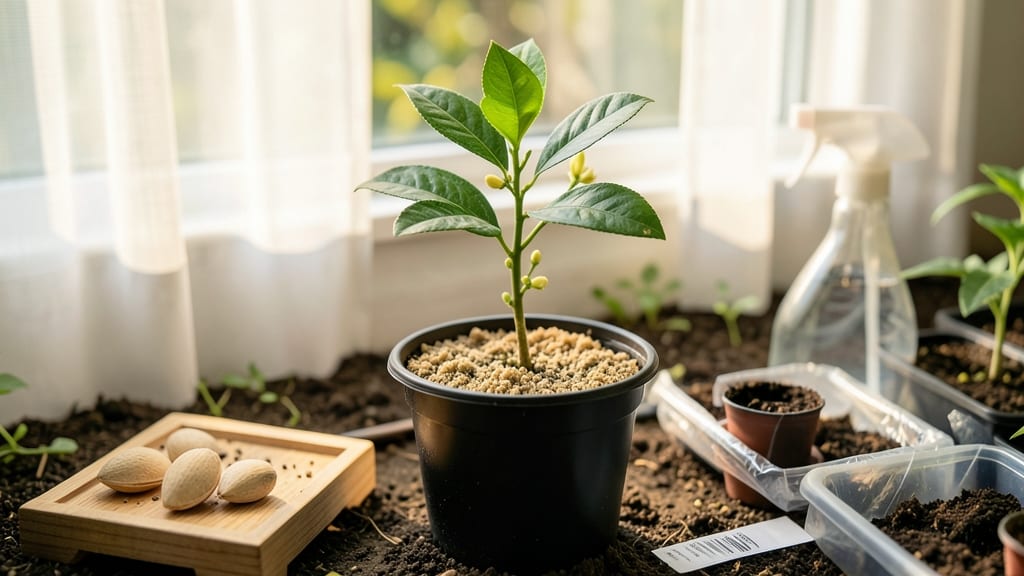
Growing a tangerine tree from seeds starts with that first juicy bite—saving the seed is where the magic begins. 🌱 The process feels like a slow-motion fairy tale: a tiny seed becomes a fragrant citrus tree, but it takes patience (and a few tricks) to get there.
Most seeds won’t produce true-to-parent fruit, but the journey is worth it for the lush foliage alone.
You’ll need a sunny spot, well-draining soil mix, and a warm window or grow light—think of it as creating a mini greenhouse. Plant the seed just below the surface, keep it moist but not soggy, and expect germination in 2-4 weeks if all goes well.
The first few leaves might look strange (they’re called "seed leaves"), but don’t worry—real citrus foliage arrives soon after.
By year two, you’ll have a sturdy sapling with glossy, dark green leaves that smell amazing when crushed. It’ll take 5-10 years to bear fruit, but the thrill of watching it grow is half the reward.
Even if it never produces tangerines, the tree itself becomes a conversation piece with its glossy leaves and tropical vibe.
Fair warning: These trees are finicky about cold—bring them indoors before frost, or grow them in containers for easy moving. The real secret? Consistency. Keep the soil lightly moist, rotate the pot weekly for even growth, and avoid over-fertilizing. Patience pays off with a tree that could live for decades.
📚 In This Guide
- What you need
- Instructions
- Tips and common mistakes
- Wrapping up and next steps
What you need
- ● Tangerine seeds: 3–5 fresh, plump seeds (from organic or seedless-free tangerines for better germination).
- ○ Small pots or seed trays: 2–3 (4–6 inches in diameter) with drainage holes. Optional: Biodegradable peat pots for easy transplanting.
- ● Well-draining potting mix: 1–2 bags (pre-mixed citrus or cactus/succulent soil works well). Pro tip: Mix in perlite or sand (20%) for extra drainage!
- ● Spray bottle: For gentle watering (avoids displacing seeds).
- ● Plastic wrap or humidity dome: To create a mini greenhouse effect.
- ● Grow lights or sunny windowsill: A south-facing window or LED grow light (12–16 hours/day).
- ● Fertilizer: Balanced liquid fertilizer (5-5-5 or 10-10-10, diluted to half-strength) for seedlings.
- ● Pruning shears: Small, sharp pair for trimming as the tree grows.
- ● Warmth: Consistent temperature of 70–85°F (21–29°C) for germination.
- ○ Humidity: High humidity (70–80%) during early growth. Optional: A small humidifier or pebble tray.
- ● Patience: Germination can take 2–4 weeks—stay consistent!
- ● Seedling heat mat (to speed up germination).
- ● pH test kit (ideal soil pH: 6.0–7.0).
- ● Citrus-specific fertilizer (once mature).
- ● Support stakes (for taller trees).
Step-by-Step instructions for growing tangerine trees from seeds
Watch those tiny seeds transform into fragrant citrus trees with these simple, proven steps.
🌱 Step 1: Extract and Prepare the Seeds
Start with fresh tangerine seeds—older seeds germinate poorly. Cut the fruit open and scoop out the seeds, then rinse them thoroughly to remove any pulp. Place them on a paper towel to dry for 24 hours at room temperature. This prevents mold and helps them germinate faster.
Here's the thing—don't rush this step. If seeds feel damp after drying, leave them another day. You'll know they're ready when they feel slightly rough to the touch and no longer stick together. I like to label a small container with the date so I don't forget when to check for sprouts.
💧 Step 2: Plant Seeds in Moistened Starting Mix
Fill small pots (2-3 inches deep) with a sterile seed-starting mix—never garden soil, which can harbor diseases. Press the mix down lightly to create a firm but not compacted surface. Plant 2-3 seeds per pot at a depth of about ½ inch, spacing them evenly.
Water gently until the soil feels evenly moist but not soggy. A spray bottle works best—you want the seeds covered with moisture, not submerged. Place the pots in a warm spot (70-75°F), like on top of a refrigerator or near a sunny window. Cover with clear plastic wrap to retain humidity, but leave a tiny gap for airflow.
☀️ Step 3: Provide Warmth and Light for Germination
Tangerine seeds need warmth to germinate—expect sprouts in 2-4 weeks. Keep the soil consistently moist (not wet) by checking daily. If the plastic wrap fogs up, remove it for 30 minutes to prevent mold. You'll see the first tiny leaves (cotyledons) emerge first—this is your signal to reduce humidity.
Once sprouts appear, remove the plastic wrap completely and move them to bright, indirect light. A south-facing window works well, but avoid direct midday sun, which can scorch delicate seedlings. If growth slows, supplement with a grow light kept 4-6 inches above the plants for 12-14 hours daily.
🪴 Step 4: Transplant and Train Young Seedlings
When seedlings reach 4-6 inches tall (about 3-4 months old), transplant them into 5-gallon pots with fresh potting mix. Handle the roots gently—tangerine trees are sensitive to root disturbance. Water deeply after transplanting to help the soil settle around the roots.
This is the moment that matters: Start training your tree early. Prune leggy growth to encourage bushier growth, and pinch off any flowers that appear in the first year. Young trees need all their energy focused on root and stem development, not fruiting. Place pots in a spot with 6+ hours of sunlight daily and protect from drafts or temperature swings.
✂️ Step 5: Care for Mature Trees and Encourage Fruit
After 2-3 years, your tangerine tree may finally bloom—but don’t expect fruit right away. Pollinate flowers by hand with a small brush to transfer pollen between trees (cross-pollination is often needed for fruit set). Keep the soil moist but well-draining, and fertilize lightly with a balanced citrus fertilizer every 2 months during growing season.
Real talk: Seed-grown tangerine trees rarely produce fruit as reliably as grafted ones, but the journey is worth it. Watch for yellowing leaves—this often signals overwatering or nutrient deficiency. Adjust care as needed, and be patient. With time, your kitchen-table tree could reward you with tiny, tart-sweet tangerines.
Tips & tricks for growing tangerine trees from seeds
Turn those kitchen scraps into a living citrus treasure with these insider tips that'll make all the difference in your seedling's success.
Seed Selection Matters: Don't just grab any seeds from your grocery store tangerines—they're often treated to prevent sprouting. Use seeds from fresh, organic tangerines you've grown yourself or purchased from a trusted source. I've found that seeds from heirloom varieties like "Dancy" or "Murcott" produce more vigorous seedlings. Store-bought conventional fruit seeds often won't germinate at all, so skip them unless you're willing to experiment with patience.
Germination Environment: The 70-75°F warmth mentioned in Step 2 is crucial—this is the sweet spot for tangerine seeds to sprout. If your home runs cooler, place pots on top of your refrigerator or near a sunny window with a heat mat underneath. I've seen germination rates double when using a simple seedling heat mat ($10 at garden centers) compared to room temperature alone. Just remember to remove the heat source once sprouts appear to prevent leggy growth.
Lighting Strategy: That 12-14 hours of daily light in Step 3 is non-negotiable for strong seedlings. If your windows aren't sufficient, invest in a basic LED grow light—even a 6-inch fluorescent bulb works in a pinch. Position it just above the seedlings so leaves don't touch it (they'll burn). I keep mine on a timer to maintain consistency, which prevents the "etoliation" (that sad, stretched-out look) that kills so many indoor seedlings.
Transplanting Wisdom: When moving your 4-6 inch seedlings to 5-gallon pots in Step 4, water the original pot thoroughly first to loosen roots. Then, slide the entire root ball out and place it in the new pot, filling gaps with fresh potting mix. The key is to minimize root disturbance—tangerine trees are particularly sensitive. I like to water immediately after transplanting to help settle the soil and reduce shock. This single step makes the difference between a thriving tree and one that takes months to recover.
Pro Tips for Grow Tangerine Tree From Seeds
- Turn those kitchen scraps into a living citrus treasure with these insider tips that'll make all the difference in your seedling's success.
- Seed Selection Matters: Don't just grab any seeds from your grocery store tangerines—they're often treated to prevent sprouting.
- Germination Environment: The 70-75°F warmth mentioned in Step 2 is crucial—this is the sweet spot for tangerine seeds to sprout.
Frequently asked questions
Got questions about growing a tangerine tree from seeds? Here are some of the most common concerns—and their answers—to help you get started on your citrus adventure!
How long does it take for a tangerine seed to sprout?
A tangerine seed typically sprouts within 2 to 4 weeks after planting, depending on temperature and moisture. Keep the soil warm (around 70–80°F) and consistently damp, and you’ll see those first tiny green shoots in no time! Patience is key—some seeds may take even longer, especially if they’re dried out.
Will a tangerine tree grown from seed produce fruit?
While it’s possible for a seed-grown tangerine tree to bear fruit, it’s not guaranteed. Seedlings often take 5–10 years to fruit (if they do at all), and the fruit may not be true to the parent plant’s variety. For faster, more reliable results, consider grafting or buying a young tree from a nursery.
Can I grow a tangerine tree indoors?
Yes! Tangerine trees thrive indoors with plenty of sunlight (a south-facing window or grow lights) and well-draining soil. Use a pot with drainage holes, keep humidity moderate, and repot as the tree grows. Just be prepared for slower growth compared to outdoor conditions—outdoor trees grow faster and stronger.
Why are my tangerine seedlings wilting or turning yellow?
Wilting or yellowing leaves usually signal overwatering, underwatering, or poor drainage. Check the soil moisture—it should be damp but not soggy. Yellow leaves can also mean nutrient deficiency (try a balanced citrus fertilizer) or pests (inspect for aphids or mites). Adjust care and monitor closely!
Can I plant tangerine seeds directly in the ground?
Direct outdoor planting is risky unless you live in a USDA Zone 9–11 climate (or similar tropical/subtropical region). Most tangerine trees are tender to frost. Start seeds indoors or in a greenhouse, then transplant seedlings outdoors after the last frost and when they’re at least 6–12 inches tall.
Wrapping up and next steps
Growing a tangerine tree from seeds is a rewarding journey that connects you to nature’s sweet surprises! 🌱 With patience, the right care, and a sunny spot, you can nurture a thriving citrus tree from your kitchen scraps.
Start small, stay consistent, and soon you’ll enjoy the fruits of your labor—literally!
Ready to take the next step? Transplant your young sapling outdoors once it’s sturdy enough, or share your newfound knowledge with fellow plant enthusiasts. Happy growing—your future tangerine harvest awaits! 🍊✨