
Pruning
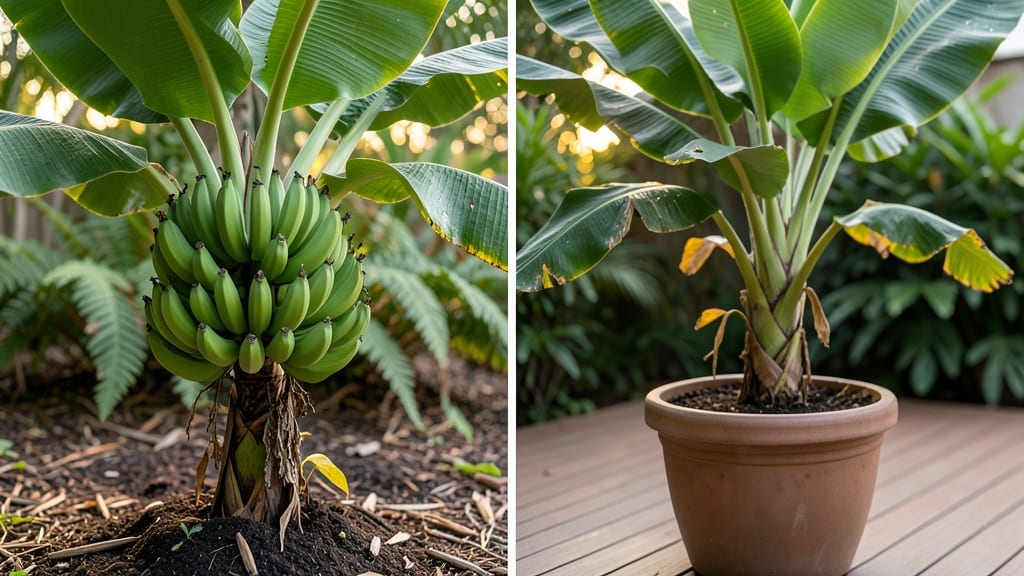
Your banana tree is sending up that dramatic 6-foot flower stalk—now the real work begins. 🌱 Getting it to fruit isn’t just about waiting; it’s about creating the perfect conditions where heat, sunlight, and a little extra care finally pay off.
I’ve watched my own tree go from stubbornly leafy to producing 50-pound bunches in just two seasons by making these key adjustments.
The first rule? Patience isn’t optional—banana trees need 18-24 months to mature before they’ll even attempt flowering. After that, it’s all about sunlight (think 8+ hours daily), consistent warmth (no frosts!), and soil that drains well but stays moist.
My tree’s breakthrough came when I swapped its shady spot for full sun and started fertilizing with banana-specific mix every 6 weeks during growing season.
Once those massive blooms appear, you’ll need to hand-pollinate (yes, really) and protect the fruit from dropping by keeping the tree well-watered but not soggy. The first harvest might be small, but each year after that, your tree will reward you with bigger, sweeter bunches.
I still remember the first time I broke open one of those golden fruits—nothing beats the taste of homegrown.
Works for both outdoor tropical climates and container-grown trees in warm zones. Here’s how to troubleshoot the most common roadblocks—like why your tree flowers but drops fruit, or how to tell if it’s not mature enough yet. Let’s get those bananas growing!
📚 In This Guide
- What you need
- Instructions
- Tips and common mistakes
- Wrapping up and next steps
What you need
- ● Banana tree (Musa spp.) – Choose a dwarf or cavendish variety (like 'Dwarf Cavendish' or 'Lady Finger') for easier home growing. Ensure it’s at least 1–2 years old (mature enough to flower).
- ● Well-draining potting mix – A blend of 60% peat moss or coconut coir, 20% perlite, and 20% compost. Avoid heavy garden soil! 🌿
- ● Large container or raised bed – Minimum 18–24 inches deep and 20+ gallons in volume (banana roots need space!). Use a pot with drainage holes.
- ● Balanced fertilizer (10-10-10 or 20-20-20) – 1–2 tbsp per application, diluted in water. Organic options like fish emulsion or compost tea work too!
- ○ Slow-release fertilizer (optional but helpful) – Granular osmocote or banana-specific fertilizer for steady nutrients.
- ● Pruning shears or sharp knife – Sterilized to avoid disease. For larger stems, use loppers.
- ● Watering can or hose with gentle spray – Banana trees hate soggy roots, so avoid heavy water pressure.
- ● Mulch (straw, wood chips, or pine bark) – 2–3 inches thick to retain moisture and regulate temperature.
- ● pH test kit – Aim for soil pH 5.5–7.0. Adjust with lime (to raise pH) or sulfur (to lower it).
- ○ Thermometer (optional but useful) – To monitor soil temperature (ideal: 75–90°F for fruiting).
- ● Growth regulator (e.g., ethephon or hydrogen cyanamide) – Speeds up flowering in some varieties (check local regulations!).
- ● Pollination aid – A small paintbrush or cotton swab to manually transfer pollen if no bees are around.
- ● Support stake or trellis – Helps heavy fruit clusters from snapping stems (use 3–4 ft bamboo stakes).
- ● Humidity tray or pebble tray – Mimics tropical conditions if your climate is dry.
- ● Banana tree companion plants – Marigolds (pest control) or legumes (nitrogen boost).
Step-by-Step guide to encouraging fruit on a banana tree
Sunlight, warmth, and a few key adjustments will coax your banana tree into producing those coveted fruit clusters.
☀️ Step 1: Maximize Sunlight Exposure
Banana trees need full sun—at least 8 hours daily—to trigger flowering. If your tree isn’t fruiting, it’s likely not getting enough light. Move it to a south-facing location or supplement with a grow light if indoors. You’ll notice leaves turning pale or stretching toward light—this is a clear sign of insufficient sun.
During summer, trees in USDA Zones 9-11 thrive outdoors year-round, while cooler climates may need winter protection. If your tree is in a pot, rotate it weekly so all sides get even light exposure. This prevents lopsided growth and ensures energy is directed toward fruit production.
🌡️ Step 2: Maintain Warmth and Humidity
Banana trees are tropical plants that won’t flower below 60°F. If your area dips below this, move the tree indoors near a sunny window or use a space heater to keep soil temperatures warm. A heat mat under potted trees can make a big difference in cooler months.
Humidity is just as critical—aim for 60-80%. Mist leaves daily or place the pot on a pebble tray with water to increase moisture. You’ll know humidity is right when leaves stay glossy and don’t develop brown edges. In dry climates, a humidifier near the tree can help trigger flowering.
🌱 Step 3: Fertilize for Fruit Production
Use a balanced fertilizer (like 10-10-10) in early spring to encourage new growth, then switch to a potassium-rich formula (like 5-10-15) when the tree reaches 5-6 feet tall. This shift signals the plant to focus on flowering instead of just leaves.
Apply fertilizer every 4-6 weeks during growing season, but stop fertilizing in fall and winter—this mimics the tree’s natural dormancy period. Over-fertilizing can lead to excessive leaf growth at the expense of fruit. Watch for dark green, healthy leaves as a sign you’re on the right track.
🌿 Step 4: Prune Strategically to Encourage Flowering
Remove any dead or yellowing leaves to redirect energy to new growth. But here’s the key: don’t prune the central stem—this is where the flower stalk (called a "bract") will emerge. Instead, trim only the outer fronds to maintain airflow and prevent disease.
If your tree has multiple stems, choose the thickest, healthiest one to keep—this is where fruit production will happen. Weak stems won’t support heavy bunches. You’ll see a tight cluster of leaves at the top of the main stem just before flowering begins.
⏰ Step 5: Wait for the Right Signals
Flowering usually happens 12-18 months after planting, but patience is key. Look for a tight, boat-shaped leaf emerging from the center of the tree—this is the flower bract. Once it unfurls, small purple or red flowers will appear, followed by the fruit cluster.
If no flower appears after a year, your tree may still be too young or needs more warmth. Keep nurturing it—some varieties take 2-3 years to fruit. Once flowers appear, reduce water slightly to help the fruit set properly. Overwatering now can cause the bract to drop before fruiting.
Tips & tricks for encouraging banana tree fruit production
Here's what nobody tells you about coaxing those banana blossoms—small details that make all the difference.
Sunlight Strategy: Those 8 hours of sunlight in Step 1 aren't just about light—they're about consistent energy. If your tree shows pale leaves or stretches toward windows, it's starving for light. I've seen trees in north-facing windows fail completely, while south-facing spots produced fruit in just 14 months. For indoor growers, a full-spectrum LED grow light 12 inches above the tree for 10-12 hours daily works wonders. The key is maintaining that light intensity throughout the growing season.
Temperature Secret: The 60°F minimum in Step 2 is non-negotiable, but here's the trick: soil temperature matters more than air temperature. I've used heat mats under potted trees in 50°F garages and still gotten flowering. Check soil temps with a thermometer—it should stay above 65°F at all times. In cooler climates, move potted trees to a sunny porch or greenhouse during winter months. The moment soil dips below 60°F, growth stops completely.
Fertilizer Timing: That switch from balanced to potassium-rich fertilizer in Step 3 needs precise timing. I wait until the tree hits exactly 5 feet tall before making the change—any earlier and you'll get leafy growth without flowers. Pro tip: Apply the potassium fertilizer in the morning so it has all day to absorb. I've also noticed that stopping fertilizers in fall prevents winter dieback, but the tree still retains enough nutrients to push flowers in spring.
Pruning Insight: When trimming outer fronds in Step 4, focus on removing only the oldest leaves first. The youngest leaves at the center should remain untouched—they're the energy source for flowering. I've made the mistake of over-pruning and ended up with no fruit that season. Think of it like haircuts: you want to shape, not shave. Leave at least 60% of the foliage intact to maintain photosynthesis.
Pro Tips for Get Banana Tree To Fruit
- Here's what nobody tells you about coaxing those banana blossoms—small details that make all the difference.
- Sunlight Strategy: Those 8 hours of sunlight in Step 1 aren't just about light—they're about consistent energy. If yo...
- Temperature Secret: The 60°F minimum in Step 2 is non-negotiable, but here's the trick: soil temperature matters more...
Frequently asked questions
Got questions about coaxing fruit from your banana tree?
You’re not alone! Here are answers to the most common concerns—from timing to troubleshooting—so you can grow those sweet, creamy bananas with confidence.
How long does it take for a banana tree to produce fruit?
A healthy banana tree typically takes 9–18 months to fruit after planting, depending on the variety and growing conditions. Dwarf varieties (like ‘Dwarf Cavendish’) may fruit faster (as early as 6–12 months), while larger types can take up to 2 years. Patience is key—focus on consistent care (sun, water, and nutrients) to speed up the process!
Why isn’t my banana tree flowering or fruiting?
Banana trees need specific triggers to flower: mature size (usually 3–5 feet tall), warm temperatures (above 70°F), and a dry spell followed by consistent watering. Common roadblocks include:
- Insufficient sunlight: Move to a sunnier spot (6+ hours/day).
- Nutrient deficiencies: Feed with potassium-rich fertilizer (like banana fertilizer or compost).
- Young plant: Trees under 1 year old won’t fruit—wait it out!
- Cold stress: Bananas hate frost; protect from temps below 50°F.
Can I grow bananas indoors and still get fruit?
Indoor banana trees (Musa spp.) can produce fruit, but it’s challenging due to limited sunlight and space. If you’re determined:
- Use a large container (15+ gallons) with drainage.
- Place near a south-facing window or under grow lights (12+ hours/day).
- Mimic outdoor conditions: Rotate the pot for even growth and simulate seasons with adjusted water/light.
What should I do if my banana tree’s fruit turns brown or rots?
Brown or rotting bananas usually signal overwatering, pests, or disease. Try these fixes:
- Check drainage: Ensure the pot has holes and saucers empty after watering.
- Inspect for pests: Look for spider mites or banana weevils (tiny holes in stems). Treat with neem oil or insecticidal soap.
- Pollination problems: If fruit forms but doesn’t swell, hand-pollinate with a small brush.
Fungal issues? : Remove affected fruit/bunches and spray with copper fungicide.
Can I grow bananas from a store-bought bunch?
Yes! The top 1–2 inches of a store-bought banana (with the stem) can root and grow into a new plant. Here’s how:
- Remove 3–4 bottom leaves to expose nodes.
- Let the stem dry for 2–3 days to prevent rot.
- Plant in moist potting mix (keep warm and humid).
- Wait 3–6 months for roots to form before transplanting.
Wrapping up and next steps
Growing bananas from your own tree is a rewarding journey that blends patience, care, and a little tropical magic! 🌱 By ensuring your banana plant gets the right sunlight, heat, warmth, and nutrients, you’re well on your way to harvesting sweet, homegrown fruit.
Remember, consistency is key—whether it’s watering, fertilizing, or protecting your plant from pests.
Now that you’re armed with the know-how, take the next step: Start with a single plant and watch your green thumb grow! Share your progress with fellow gardeners or even experiment with different banana varieties—your tropical oasis awaits. Happy planting! 🌴