
Pruning
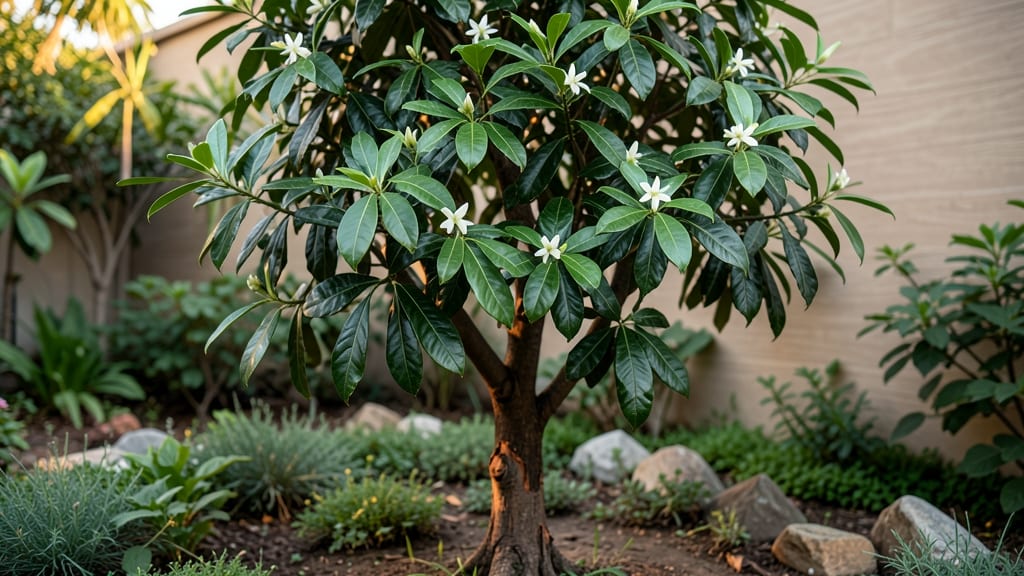
Growing a cinnamon tree indoors means fresh spice leaves anytime—no tropical climate required. 🌿 My first attempt nearly died from overwatering, but I learned the simple adjustments that keep these trees thriving year-round, even in apartments with limited natural light.
The key is mimicking their natural habitat: bright, indirect light (or a grow light), well-draining soil, and occasional misting to keep humidity up. Most beginners overcomplicate care—it’s really about consistency. A 6-inch pot works for starters, and pruning encourages bushier growth with more fragrant leaves.
Within a year, you’ll have a tree that smells like a holiday kitchen and produces tender leaves perfect for tea or cooking. The best part? No more waiting for harvest season—your cinnamon tree keeps giving all winter long.
Works for any indoor space, from sunrooms to office corners. Here’s how to keep yours lush and productive without the common pitfalls.
📚 In This Guide
- What you need
- Instructions
- Tips and common mistakes
- Wrapping up and next steps
What you need
- ● Cinnamon tree (Cinnamomum verum or C. burmannii) – A healthy, potted plant (6"+ in height for pruning).
- ● Pruning shears – Sharp, clean bypass shears (avoid dull tools to prevent tearing).
- ● Rubbing alcohol (70% or higher) – For sterilizing shears between cuts (1 small bottle).
- ● Well-draining potting mix – A blend of peat moss, perlite, and compost (1 gallon bag).
- ● 6-inch pots with drainage holes – 2-3 pots (plastic or terracotta) for propagated cuttings.
- ○ Rooting hormone (optional but helpful) – A powder or gel to boost cutting success.
- ● Spray bottle – For misting leaves (8 oz size).
- ● Houseplant fertilizer – Balanced liquid fertilizer (e.g., 10-10-10, 1 bottle).
- ○ Grow lights (optional) – LED or fluorescent lights (12-16 hours/day for low-light setups).
- ○ Humidity tray (optional) – A shallow tray with pebbles/water to increase moisture.
How to grow a thriving cinnamon tree indoors
Here's the foolproof method I've used to grow fragrant cinnamon trees year-round—no greenhouse required.
🪴 Step 1: Select the Right Container and Soil Mix
Start with a 10-12 inch diameter pot that has drainage holes—cinnamon trees hate soggy roots. I use a mix of 50% well-draining potting soil, 30% perlite, and 20% compost to balance moisture retention with aeration. The roots need room to spread, so avoid small containers unless you're growing a dwarf variety.
Fill the pot halfway with your mix, then tap gently to settle it. This prevents air pockets that could rot roots later. Cinnamon trees thrive in slightly acidic soil, so if your mix isn't pre-acidified, add a handful of peat moss to the blend. The right soil mix ensures your tree grows strong instead of struggling with root rot.
🌱 Step 2: Plant Your Cinnamon Tree Properly
Place your cinnamon tree in the center of the pot, ensuring the top of the root ball sits just below the rim. Fill the remaining space with your prepared soil mix, pressing lightly around the base to eliminate air gaps. Don't pack it down too firmly—you want the roots to breathe while staying supported.
Water immediately after planting until moisture drains from the bottom holes. This settles the soil and helps the roots establish contact with the mix. I like to add a 1-inch layer of mulch on top to retain moisture and regulate temperature. Avoid mulch touching the stem to prevent rot.
☀️ Step 3: Position for Optimal Light
Cinnamon trees need bright, indirect light for at least 6-8 hours daily. A south- or east-facing window works best, but if natural light is limited, supplement with a grow light positioned 12-18 inches away. Too little light causes leggy growth, while direct sun can scorch the leaves.
Rotate the pot a quarter turn weekly so the tree grows evenly. You'll notice new growth leaning toward the light—this is your cue to adjust the position or light source. Cinnamon trees respond well to consistent light, so avoid moving them frequently once established.
💧 Step 4: Water and Fertilize Correctly
Water when the top 2 inches of soil feel dry—usually every 7-10 days, but adjust based on humidity. Overwatering is the fastest way to kill a cinnamon tree, so always check moisture before watering. I use room-temperature water to avoid shocking the roots.
Fertilize monthly during spring and summer with a balanced liquid fertilizer (10-10-10 ratio). Reduce to every 6-8 weeks in fall and winter when growth slows. Yellow leaves often signal over-fertilizing, while slow growth means it needs more nutrients. Balance is key—too much fertilizer burns roots, while too little stunts growth.
✂️ Step 5: Prune and Maintain Year-Round
Prune in late winter or early spring to shape the tree and encourage bushier growth. Remove any dead, yellowed, or crossing branches with clean, sharp shears. I cut just above a leaf node to promote new growth. Never prune more than 25% of the tree at once—this prevents stress.
Wipe the leaves occasionally with a damp cloth to remove dust, which helps the tree absorb light more efficiently. Cinnamon trees are sensitive to drafts, so keep them away from air conditioning vents or heating ducts. With proper care, your tree can grow 6-10 feet tall indoors and produce fragrant bark for spice use in 3-5 years.
Tips & tricks for perfect indoor cinnamon tree growth
These essential insights will help you avoid common pitfalls and maximize your cinnamon tree's potential indoors.
Container Size Matters: That 10-12 inch diameter pot isn't just a suggestion—it's critical for root development. I've seen cinnamon trees in 8-inch pots struggle with root binding after just 18 months. If you're growing a dwarf variety, you can start with a 6-inch pot, but upgrade within a year. The extra space prevents root competition that stunts growth and reduces your tree's ability to absorb nutrients efficiently.
Soil Acidification Secret: The instructions mention adding peat moss for slightly acidic soil, but here's the pro move: test your soil pH first. Most store-bought potting mixes are neutral (pH 7), while cinnamon trees thrive at pH 5.5-6.5. A simple pH test kit (around $10) lets you adjust with sulfur or lime before planting. This small step prevents nutrient lockout that causes yellowing leaves even with proper fertilization.
Light Rotation Strategy: The weekly quarter-turn rotation in Step 3 is non-negotiable for even growth, but here's what nobody tells you: use a small piece of masking tape on the pot's edge to mark the starting position. This creates a visual reference so you don't accidentally rotate too much. I've seen trees develop uneven growth when people eyeball rotations—this simple hack ensures consistent light exposure from all directions.
Fertilizer Timing Hack: While the instructions specify monthly spring/summer fertilization, I've found that splitting the dose into two applications—once at planting and again 4-6 weeks later—gives roots time to establish before heavy feeding. This prevents fertilizer burn that can occur when young roots aren't ready to absorb nutrients efficiently. Think of it as a gradual introduction rather than a shock treatment.
Pro Tips for Cinnamon Tree Indoors
- These essential insights will help you avoid common pitfalls and maximize your cinnamon tree's potential indoors.
- Container Size Matters: That 10-12 inch diameter pot isn't just a suggestion—it's critical for root development. I've...
- Soil Acidification Secret: The instructions mention adding peat moss for slightly acidic soil, but here's the pro mov...
Frequently asked questions
Got questions about growing a cinnamon tree indoors? You’re not alone! Here are answers to the most common concerns—from pruning to troubleshooting—so you can keep your spice garden thriving year-round.
How much light does a cinnamon tree need indoors?
A cinnamon tree thrives with bright, indirect light (6+ hours daily). Place it near an east- or south-facing window, or supplement with a grow light (12–14 hours/day) if natural light is limited. Yellowing leaves? It’s likely light-starved—move it closer to a window or invest in a LED grow bulb.
When and how should I prune my cinnamon tree?
Prune in late winter or early spring (before new growth) to shape the tree and encourage bushiness. Use sterilized pruners to trim back overgrown branches by ⅓, focusing on inner growth to improve airflow. Avoid heavy pruning in fall—it stresses the tree before dormancy. Pro tip: Save clippings to propagate new plants!
Why are the leaves dropping, and how do I fix it?
Leaf drop is usually due to underwatering, overwatering, or temperature shocks. Check the soil—it should be slightly moist but never soggy. Move the tree away from drafts (AC vents, heaters) and adjust watering to every 1–2 weeks (less in winter). If leaves turn brown at the edges, humidity is low—mist leaves or use a pebble tray.
Can I grow a cinnamon tree from a grocery store cinnamon stick?
Yes! Soak a 3-inch cinnamon stick in water for 24 hours, then plant it horizontally in moist potting mix (cover halfway). Keep it warm (70–80°F) and humid (use a plastic bag as a mini greenhouse). Roots may take 4–8 weeks to sprout—be patient! For faster results, try air-layering a branch from a mature tree.
What’s the ideal temperature for an indoor cinnamon tree?
Cinnamon trees love warmth (65–80°F) and hate cold drafts. Keep it away from windows in winter (glass gets chilly) and avoid sudden temperature swings. If your home dips below 55°F, the tree may drop leaves or go dormant. A heat mat under the pot in winter can help maintain consistency.
Are there dwarf cinnamon tree varieties for small spaces?
Most cinnamon trees (like Cinnamomum verum) grow 6–10 feet tall indoors, but you can keep them compact with regular pruning. For true dwarf options, look for Cinnamomum microphyllum (a smaller relative) or Cinnamomum burmannii (a faster-growing, bushier variety). Just ensure they get enough light—even dwarf trees need space to thrive!
Wrapping up and next steps
Growing a cinnamon tree indoors is a rewarding way to enjoy fresh spice year-round—even without abundant sunlight! With the right care, pruning, and a little patience, you’ll harvest fragrant leaves and bark for cooking, crafts, or gifts.
Start small, stay consistent, and soon you’ll have a thriving, aromatic plant that’s as beautiful as it is useful.
Ready to take the next step? Pick your favorite variety, gather your tools, and begin nurturing your cinnamon tree today—your kitchen (and senses) will thank you! 🌿✨