
How To
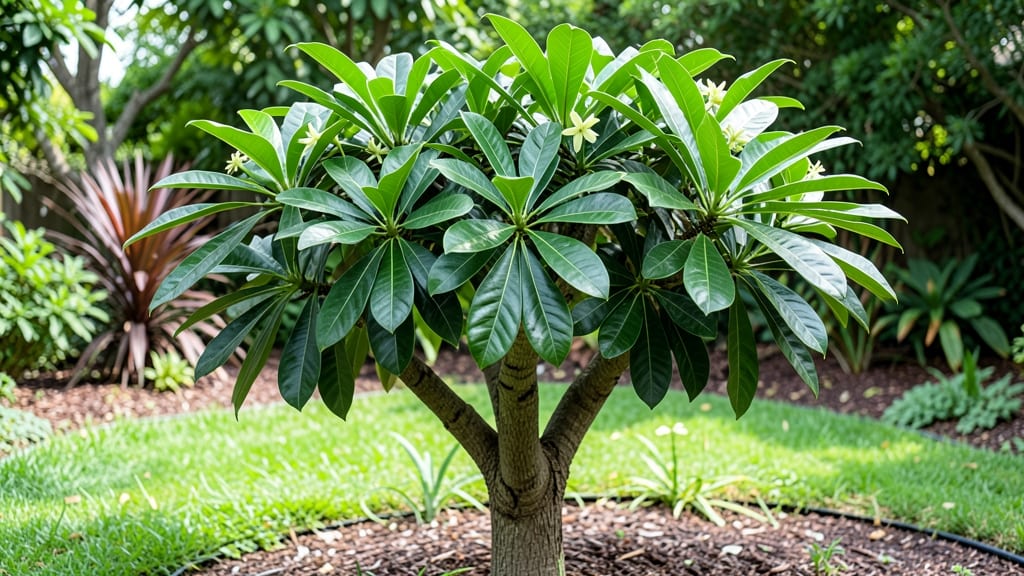
How tall does the money tree grow indoors? With the right care, it can reach 6–10 feet, making it a striking statement plant that may quickly outgrow small spaces if left unchecked.
If you’ve ever dreamed of growing a lush money tree (Pachira aquatica) but wondered how tall it can get indoors, you’re not alone—this fast-growing tropical plant can surprise even seasoned plant parents with its height potential.
Indoor growth depends on variety, light exposure, and pruning habits. The braided Money Tree, for example, often stays slightly shorter than standard varieties, but without regular trimming, it can still reach 8 feet or more in just a few years.
In this guide, I’ll break down how tall each type typically grows, how to control its height with simple pruning, and whether it’s the right fit for your home’s layout.


Money tree height limits by variety: how tall can each type grow indoors?
The money tree (Pachira aquatica) is a stunning tropical plant that can grow surprisingly tall indoors, but its mature height depends entirely on the variety you choose. Some types stay compact and bushy, while others reach ceiling heights in just a few years.
Understanding these differences helps you pick the perfect plant for your space—whether you want a floor-filling statement piece or a tabletop accent.
Indoor conditions like light exposure, pot size, and pruning habits dramatically affect how tall your money tree grows. For example, a standard money tree left unpruned can easily hit 10 feet indoors, while a braided variety typically stays between 3–6 feet with regular maintenance.
Let’s break down the height potential for each popular type so you can plan accordingly.
| Variety | Mature Height (Indoors) | Growth Rate (Per Year) | Key Growth Factors |
|---|---|---|---|
| Standard Money Tree | 6–10 feet | 1–3 feet | Needs bright indirect light; grows fastest in large pots. |
| Braided Money Tree | 3–6 feet | 6–12 inches | Requires pruning to maintain braids; slower growth than standard types. |
| Dwarf Money Tree | 3–5 feet | 6–10 inches | Ideal for small spaces; thrives in moderate light. |
| Variegated Money Tree | 5–8 feet | 1–2 feet | Needs more light to maintain leaf color; grows faster than standard types. |
If you’re eyeing a standard money tree, expect it to grow 1–3 feet per year under ideal conditions. Without pruning, it can quickly outgrow most indoor spaces, making it better suited for sunrooms or large living areas.
The braided variety, on the other hand, is bred for a more controlled height—3–6 feet—but requires regular trimming to maintain its distinctive braided trunk. Skipping pruning can turn it into a leggy, unruly plant.
Light plays a huge role in height control. Money trees crave bright, indirect light (like an east- or west-facing window), but direct sun can scorch leaves and spur rapid, weak growth.
Place yours 2–3 feet from a window to balance growth and health. If your space lacks natural light, supplement with a grow light to slow vertical stretching and encourage bushier growth.
Pot size also influences height—smaller pots restrict root growth, which in turn limits how tall your money tree can get. If you want to keep it compact, choose a container that’s only slightly larger than its root ball.
For example, a 6-inch pot will keep a dwarf variety under 5 feet, while a 12-inch pot can accommodate a standard type reaching 8 feet. Always use well-draining soil to prevent root rot, which stunts growth.
Pruning is your best tool for controlling height and shaping your money tree. To encourage bushier growth, trim back 10–15% of the foliage in early spring. For height control, cut back the longest stems to just above a leaf node.
This prompts the plant to branch out instead of shooting upward. Just be sure to use sterilized pruning shears to avoid disease—money trees heal quickly but can develop fungal issues if cuts aren’t clean.
One common misconception is that money trees stop growing once they reach a certain height. In reality, they’re indeterminate growers, meaning they’ll keep reaching upward as long as conditions are right. If you’re worried about your plant becoming a ceiling hazard, consider dwarf varieties or regular pruning.
Even standard types can be kept at 5–6 feet with consistent maintenance—just be prepared to trim back new growth every few months.
For those with limited ceiling space, a dwarf money tree is the perfect solution. These varieties mature at 3–5 feet, making them ideal for apartments, offices, or small kitchens. Pair it with a smaller pot and moderate light to slow growth further.
Just remember: even dwarf types will grow taller over time, so plan for future pruning if you want to maintain a tabletop-friendly size.
If you’re still unsure which variety fits your space, start with a braided money tree—its controlled height and unique aesthetic make it a favorite for beginners. Just commit to monthly pruning to keep it from becoming too tall.
With the right care, your money tree can thrive at any height, adding lush greenery and good luck to your home for years to come. 🌿
How to control money tree growth: pruning and care tips for compact size
If your money tree (Pachira aquatica) is shooting up faster than you’d like, don’t worry—you’re not powerless. With the right pruning techniques and care adjustments, you can keep this tropical beauty at a manageable 3–6 feet instead of letting it tower toward 8+ feet.
The key lies in understanding when and how to trim, along with tweaking its growing conditions. Let’s dive into the step-by-step process to maintain your money tree’s height while keeping it lush and healthy.
First, recognize that money trees grow fastest when they’re happy—think bright indirect light, well-draining soil, and consistent moisture. Without proper checks, your plant can reach 10 feet indoors within a few years.
But with strategic pruning and light management, you can easily cap its growth at your preferred height. For example, if you love the braided variety, regular trims will keep those iconic stems from stretching too long.
🌱 Money Tree Height Quick Guide
Without pruning, a money tree can grow 6–10 feet indoors in 3–5 years. With regular trimming (every 6–12 months), maintain a compact 3–6 feet size. Use sharp pruning shears to cut just above a leaf node for bushier growth.
Start by pruning in early spring or after your money tree finishes flowering (if it does). Use sterilized pruning shears to make clean cuts just above a leaf node—this encourages new growth from that spot, creating a fuller, bushier plant.
Avoid cutting too close to the stem, as this can leave unsightly scars. For a braided money tree, focus on trimming the longest stems first to maintain symmetry and prevent lopsided growth.
Another game-changer is repotting. Money trees grow faster when root-bound, so if you want to slow height growth, repot every 2–3 years instead of annually. Choose a pot that’s only 1–2 inches wider than the current one to restrict root expansion.
This subtle change signals the plant to focus on leaf and stem growth rather than shooting upward. Pair this with a well-draining potting mix to prevent overwatering, which can also spur rapid height growth.
Light exposure plays a huge role in height control. If your money tree isn’t getting enough bright indirect light, it will stretch toward light sources, a phenomenon called etiolation. Place your plant 2–3 feet from an east- or west-facing window for optimal light.
If natural light is limited, supplement with a grow light for 12–14 hours daily. Avoid south-facing windows, which can scorch the leaves, or north-facing windows, which may not provide enough intensity.
Finally, fertilize wisely. Over-fertilizing can lead to rapid, leggy growth. Stick to a balanced fertilizer (10-10-10) every 4–6 weeks during spring and summer, then reduce feeding in fall and winter.
Always water your plant before fertilizing to prevent root burn, which can stress the tree and encourage vertical growth. With these adjustments, your money tree will stay at your ideal height while thriving for years to come.