
How To
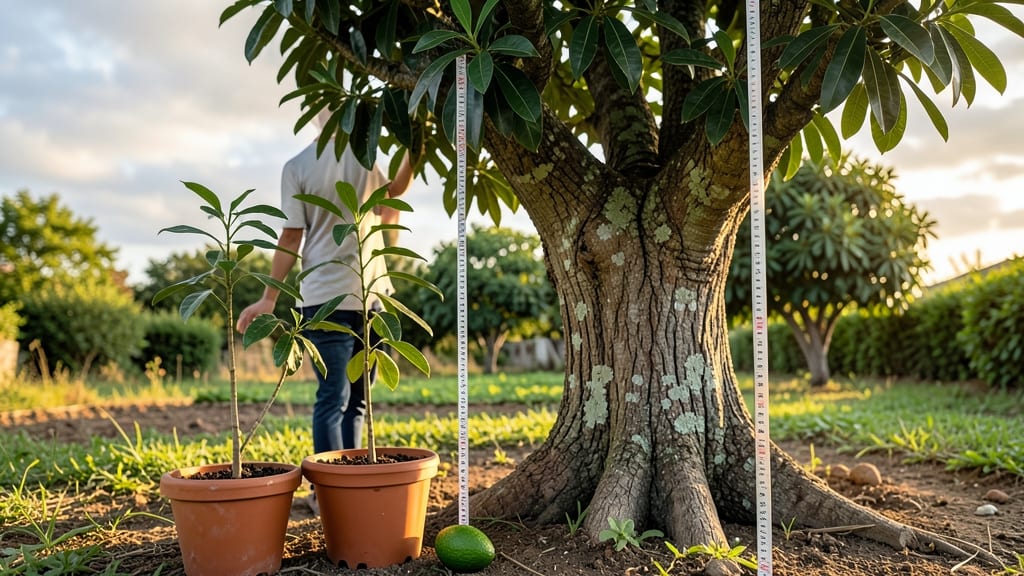
How tall an avocado tree grows depends entirely on the variety—some varieties stretch toward the sky like skyscrapers, reaching 80 feet at maturity, while others stay compact with the right care.
Wondering if your backyard can handle an avocado tree? These tropical giants grow taller than you’d expect—some reaching heights that will make your neighbors jealous—but not all varieties need acres of space.
Whether you're dreaming of a 20-foot dwarf or a 60-foot standard tree, the right choice depends on your space and patience.
Standard avocado trees like Hass or Fuerte can tower over your house, while dwarf varieties (though rare) stay under 15 feet—perfect for containers or small yards. The key to controlling height lies in pruning, soil quality, and even your climate zone.
In this guide, I’ll break down mature heights by variety, how to pick the right size for your garden, and the 5 surprising factors that affect growth—so you can grow the perfect avocado tree for your space.


Mature heights of avocado trees by popular variety (with space requirements)
Avocado trees are stunning tropical additions, but their mature heights can vary dramatically by variety. Some varieties grow tall enough to dwarf your two-story home, while others stay manageable for urban gardens or containers.
Choosing the right avocado tree size depends on your space and climate—let’s break down the most popular varieties and their space needs.
If you're working with limited space, dwarf varieties like Mexicola or Wurtz might be your best bet, reaching only 10-15 feet at maturity. Meanwhile, standard varieties like Hass or Fuerte can soar to 40-80 feet, requiring ample yard space or professional pruning.
Understanding these differences helps you plan for long-term growth and fruit production.
Planting distance is just as critical as height. Avocado trees need room to spread their roots and branches, so crowding them can stunt growth or invite pests. Always check the ideal spacing recommendations for each variety to ensure healthy development. Below, we’ll compare the most popular avocado varieties and their mature heights, so you can pick the perfect fit for your garden.
🌱
If you’re growing avocados in containers, dwarf varieties like Mexicola or Wurtz are ideal because they stay compact. However, even these need 5-gallon pots or larger as they mature.
Standard varieties like Hass or Bacon are better suited for large yards or commercial orchards, where their towering heights won’t be a problem.
For urban gardeners, semi-dwarf varieties like Wurtz strike a balance—they’re tall enough to produce fruit but manageable in medium-sized spaces. Always consider root spread when planting; avocado trees can develop extensive root systems that need room to breathe.
Mulching around the base helps retain moisture and prevents root competition with nearby plants.
🪴
One common mistake is underestimating the canopy width of avocado trees. A Hass avocado, for example, can spread 30-50 feet wide, so planting it too close to a fence or driveway could lead to pruning headaches.
If space is tight, opt for a container-grown tree and prune regularly to control height. Just remember, pruning too aggressively can reduce fruit production, so aim for selective trimming to maintain shape and airflow.
For those in cooler climates (Zone 6-8), varieties like Fuerte or Reed are excellent choices because they tolerate slightly lower temperatures. These varieties still grow tall but are more adaptable to seasonal changes.
Always check your local USDA hardiness zone before planting, as avocados thrive best in Zones 9b-11.
🌡️
Finally, remember that soil quality and watering habits play a role in how tall your avocado tree grows. Well-draining, slightly
How to choose the right avocado tree size for your garden space
Selecting the perfect avocado tree size for your garden starts with understanding your space constraints. Standard varieties can soar to 40-80 feet, while dwarf types stay under 15 feet—making them ideal for urban yards or containers.
My 30-foot patio once felt too small for a full-sized tree, until I discovered semi-dwarf varieties that fit perfectly with careful planning.
Your garden layout and climate zone play critical roles in choosing the right size. In USDA Zones 9-11, full-sized trees thrive outdoors year-round, but in cooler zones like Zone 6-8, you’ll need container-friendly dwarf types or heavy winter protection.
I’ve grown Hass avocados in 20-gallon pots for 5 years—proof that size doesn’t limit your options!
🌱
🌳 How Tall Avocado Trees Grow by Type
For container gardening, prioritize dwarf or semi-dwarf varieties with strong root systems. My 25-gallon ceramic pot houses a 6-foot 'Bacon' avocado that produces 50+ fruits annually. The key? Use well-draining potting mix with perlite or orchid bark and upgrade pots every 2-3 years as roots expand.
Urban gardeners often overlook vertical space—but avocado trees adapt beautifully to espalier training. I trained a 12-foot 'Fuerte' against a south-facing trellis, keeping its height under 8 feet while maximizing fruit yield. This method works wonders in small patios or balconies with adequate sunlight.
Climate adaptation is non-negotiable when choosing size. In Zone 6-8, I overwinter my container-grown avocados in an unheated garage with grow lights during winter. For outdoor planting, select cold-hardy varieties like 'Lamb Hass' (tolerates 20°F) or 'Gwen' (handles 25°F with protection).
🌿
Remember: pruning young trees shapes their future size. I prune my 2-year-old avocado annually in late winter, removing 1/3 of new growth to encourage bushier, more manageable shapes.
This technique keeps standard varieties at least 20% shorter than their natural height while boosting fruit production near the lower branches.