
How To
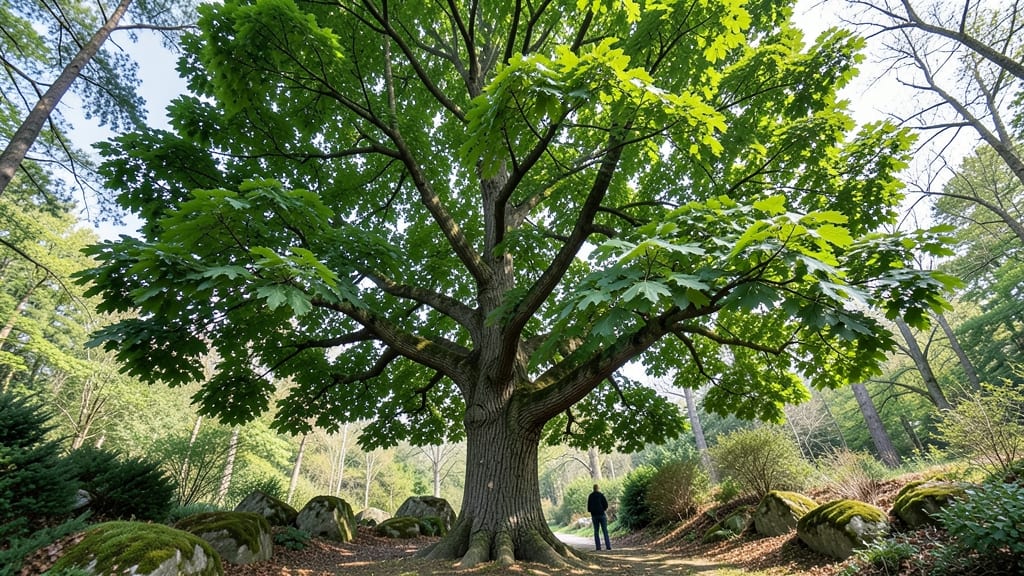
An ash tree can grow anywhere from 40 to 80 feet tall, depending on the species and growing conditions—so choosing the right one for your space is key.
If you're dreaming of a towering shade tree but limited by space—or just curious about ash tree growth habits—you’re in the right place. Ash trees can range from modest shrub-sized varieties to towering giants, but not all species reach the same heights.
For example, the fastest-growing varieties, like the Green Ash, hit 50 to 70 feet in ideal conditions, while White Ash can stretch toward 80 feet with room to grow. Meanwhile, dwarf cultivars stay under 20 feet, making them perfect for smaller yards or urban landscapes.
Below, I’ll break down the height differences by species, how growth rates vary, and which compact varieties work best for tight spaces—so you can pick the perfect ash tree for your needs.


Ash tree height by species: from dwarf to towering giants
When planning your landscape, knowing ash tree height by species is essential—especially if you're balancing shade needs with space constraints. Ash trees (Fraxinus spp.) offer dramatic variety, from dwarf cultivars under 20 feet to towering giants exceeding 80 feet.
The right choice depends on your yard size, sunlight, and long-term goals. Let’s break down the most popular species and their mature heights so you can make an informed decision.
Most homeowners gravitate toward Green Ash or White Ash for their adaptability, but each has distinct growth patterns. For example, Green Ash typically reaches 50–70 feet at maturity, while White Ash can soar to 60–80 feet—that’s taller than a six-story building!
If you’re working with limited space, dwarf ash trees like 'Columnare' or 'Summit' stay under 20 feet, making them perfect for urban gardens or container growing.
Understanding these ash tree height variations helps you avoid overcrowding or underutilized space. For instance, a Green Ash might work in a suburban backyard, while a White Ash belongs in a park or estate.
If you’re in an urban setting, dwarf varieties like 'Columnare' or 'Summit' are game-changers—they deliver the same elegant foliage without the space demands.
One key factor influencing height is soil quality and sunlight. Ash trees thrive in well-draining soil with full sun, but poor soil or shade can stunt growth. For example, a White Ash in partial shade might max out at 50 feet instead of 80.
Always test your soil and consider annual pruning to manage height naturally. Pruning in late winter or early spring encourages a denser canopy while keeping the tree at your desired height.
For small gardens or balconies, container-growing ash trees are a hidden gem. Varieties like 'Summit' can thrive in large pots (at least 24-inch diameter) with proper drainage. Just remember: even dwarf ash trees need regular watering and protection from harsh winds.
If you’re unsure about long-term height, start with a potted specimen to test compatibility before committing to the ground.
Another consideration is root spread. Larger ash trees develop extensive root systems, so plant them at least 50 feet from foundations, sidewalks, or septic systems.
Smaller cultivars like 'Autumn Applause' are more forgiving but still need room to breathe. Always check local regulations—some cities restrict large tree planting to preserve infrastructure.
If you’re torn between species, ask yourself: Do you need fast growth (Green Ash) or long-term stature (White Ash)? Or are you prioritizing space efficiency (dwarf varieties)? My advice?
Visit a local nursery to compare sizes in person. Seeing a 20-foot 'Summit' Ash next to a 70-foot Green Ash makes the height differences crystal clear.
Finally, don’t overlook landscape design. A single towering ash tree can anchor a large property, while
How fast do ash trees grow? Growth rates and space planning
Ash trees are known for their rapid growth, but their speed depends on several factors like species, soil quality, and sunlight exposure.
On average, most ash trees grow 1 to 3 feet per year during their early years, with some fast-growing varieties reaching 3 to 5 feet annually under ideal conditions. Understanding these growth rates helps you plan for future height and space needs before planting.
For example, a Green Ash might grow 2 feet in its first year and 6 feet by year three, while a White Ash could take slightly longer to reach the same height.
If you're working with limited space, choosing a dwarf variety or practicing regular pruning can help manage growth and keep your ash tree within desired boundaries.
- 🌱 1-3 ft/year: Average growth rate for most ash trees in ideal conditions.
- 🌳 60-80 ft mature: Standard height for White Ash and Green Ash varieties.
- ✂️ Prune annually: Helps control height and shape, especially for urban gardens.
- ☀️ Full sun = faster growth: Ash trees thrive with 6+ hours of sunlight daily.
- 🌿 Dwarf varieties: Reach 15-25 ft, perfect for small yards or containers.
Soil quality plays a critical role in how fast your ash tree grows. Well-draining, fertile soil with a slightly acidic to neutral pH (6.0-7.5) encourages faster growth. If your soil is clay-heavy or compacted, consider amending it with compost or organic matter to improve drainage and nutrient availability.
Poor soil can slow growth by 30-50%, so testing your soil before planting is a smart move.
Sunlight is another key factor. Ash trees need full sun (6+ hours daily) to reach their full growth potential. In partial shade, growth rates may slow significantly, and the tree could become less dense or more prone to disease.
If you're planting in an urban area with limited sunlight, opt for a tolerant variety like the Green Ash, which handles partial shade better than others.
Pruning is essential for managing ash tree growth, especially in small yards or urban settings. Regular pruning not only controls height but also improves air circulation and reduces the risk of disease or pest infestations. Aim to prune in late winter or early spring before new growth begins.
Remove any dead, diseased, or crossing branches first, then shape the tree to your desired form. Avoid heavy pruning in summer or fall, as this can stress the tree.
If space is a concern, consider compact or columnar varieties like the 'Columnare' White Ash or 'Summit' Green Ash, which stay under 20-25 feet tall even at maturity. These varieties are ideal for urban gardens, patios, or small yards where traditional ash trees would be too large.
Always check the root spread as well—some dwarf varieties have aggressive roots and may need root barriers to protect nearby structures.