
How To
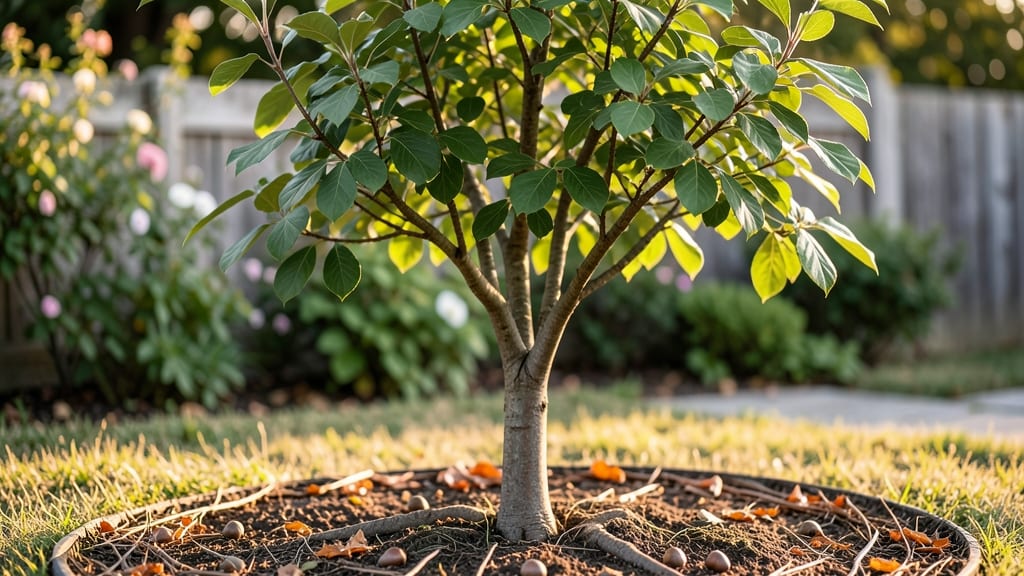
How tall does a redbud tree grow? It typically reaches heights between 10 and 30 feet, depending on the variety and growing conditions, making it a versatile choice for both small yards and larger landscapes.
If you're dreaming of a stunning springtime tree with delicate pink blooms but limited space, understanding the mature height of redbud trees could be the key to perfecting your landscape—without sacrificing curb appeal.
Some varieties, like the Eastern Redbud 🌳, reach a towering 20 to 30 feet, while others, such as the Forest Pansy, stay more compact at 8 to 12 feet.
This flexibility means you can choose the perfect size for your garden, whether you need a statement tree or a charming small specimen.
Below, I’ll break down the exact heights by variety, how your climate zone affects growth, and simple pruning tips to keep your redbud at your desired size—so you can enjoy its beauty without any surprises.


Redbud tree height by variety: mature sizes & growth rates
Choosing the perfect redbud tree for your landscape starts with understanding how tall each variety grows at maturity. The Eastern redbud (Cercis canadensis) is the most common type, but other cultivars offer different heights and growth habits to suit small yards, large estates, or even container gardens.
Knowing these specifics helps you avoid overcrowding while maximizing that stunning spring bloom display.
Most redbud trees reach their mature height within 10-15 years, though some compact varieties grow more slowly. The growth rate averages 12-24 inches per year, but this can vary based on soil quality, sunlight, and watering habits.
Let’s break down the most popular varieties and their exact dimensions to help you plan your planting strategy.
Pro Tip: Always check your local USDA hardiness zone (3-9 for redbuds) as it can influence both height and cold tolerance. For example, Western redbud thrives in zones 5-9, while Eastern redbud prefers zones 4-9.
The Eastern redbud is the tallest variety, often reaching 20-30 feet with a wide, spreading canopy—ideal for making a bold statement in open landscapes. If you have limited space, the Ruby Falls redbud is a fantastic dwarf option, staying under 12 feet tall while still producing those iconic pink blooms.
This variety is perfect for small yards or even large containers on patios.
For a compact yet striking option, consider the Covey redbud, which maxes out around 15 feet but offers a slightly faster growth rate than Ruby Falls. It’s a great middle-ground choice for urban gardens where space is tight but you still want a tree with presence.
The Forest Pansy variety is another favorite, known for its deep purple foliage and moderate height of 15-20 feet.
If you live in drier climates, the Western redbud is a resilient choice, thriving in USDA zones 5-9 with minimal water once established. Its 10-15 foot height makes it versatile for both small and medium landscapes. Always consider your local climate when selecting a variety—some
How growth zones affect redbud tree height & care requirements
The USDA hardiness zones play a crucial role in determining how tall your redbud tree will grow. Native to zones 4-9, these trees thrive in cooler climates but show height variations based on regional conditions.
In warmer zones (8-9), redbuds often reach their maximum height (20-30 feet), while in colder zones (4-6), they may stay shorter (10-15 feet) due to slower growth cycles.
Cold tolerance is another key factor—young trees in zone 4 need extra protection from late frosts, which can stunt early growth. Conversely, zone 9 redbuds may grow faster but require more frequent pruning to manage height.
Understanding these patterns helps you choose the right variety and care approach for your specific climate.
In zone 4, redbuds often develop a stockier growth habit to withstand harsh winters, while zone 9 trees grow taller but may need structural support in windy areas.
The Eastern redbud, for example, typically matures at 20-25 feet in zone 7 but can exceed 30 feet in zone 9 with ideal conditions.
Your watering schedule should adjust based on your zone too. In drier zones (8-9), deep watering twice weekly encourages taller growth, while cooler zones (4-6) benefit from consistent but lighter watering to prevent root stress.
Always water at the base of the tree in the morning to reduce fungal risks.
Soil quality also varies by region—sandy soils in zone 9 may require organic amendments to retain moisture, while clay-heavy soils in zone 5 need sand or compost for better drainage.
A well-draining, slightly acidic soil (pH 6.0-7.0) works best across all zones, but local adjustments can make a big difference in height and health.
For urban gardeners in zone 6-7, consider dwarf varieties like 'Forest Pansy' (10-12 ft) to fit smaller spaces. These varieties grow more slowly but still deliver vibrant spring blooms. Always check your local nursery for zone-specific recommendations before planting.