
How To
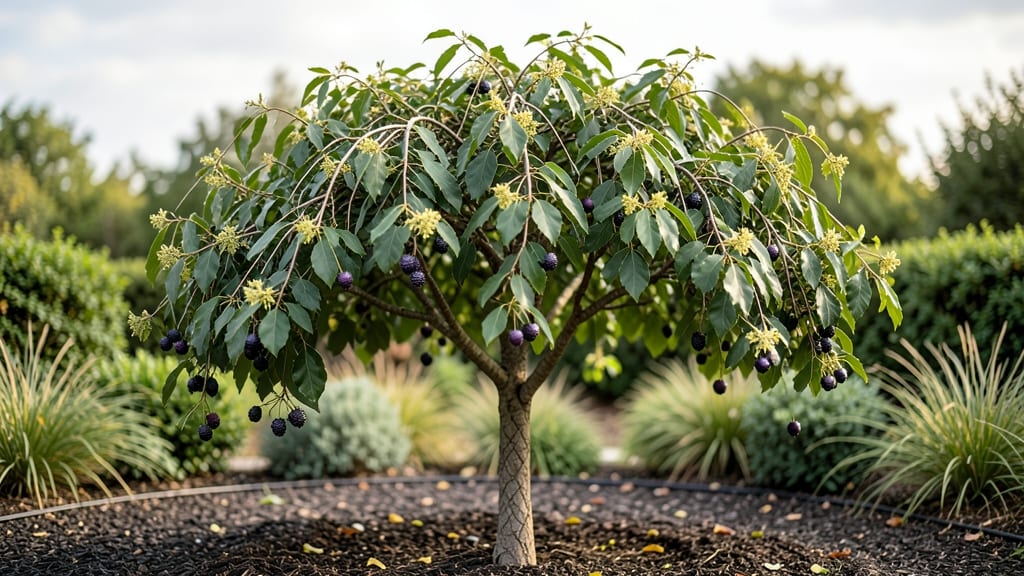
A dwarf mulberry tree grows how tall does a dwarf mulberry tree grow between 6 and 15 feet at maturity, making it a perfect fit for smaller yards or urban gardens where space is limited.
If you love mulberry trees but lack the space for towering varieties, dwarf mulberry trees offer a perfect solution—compact size without sacrificing fruit production or beauty. But how tall do these space-saving trees actually grow? The answer might surprise you.
Unlike their standard counterparts, which can soar up to 50 feet, dwarf mulberry trees stay manageable while still delivering delicious berries. This makes them ideal for homeowners who want the benefits of a mulberry tree without the commitment to a full-sized specimen.
Below, I’ll break down the exact height ranges by variety, share tips for keeping your tree compact, and compare them to standard mulberry trees so you can decide if this is the right fit for your garden.


Dwarf mulberry tree height guide: exact growth ranges by variety
Dwarf mulberry trees are the perfect choice for gardeners with limited space who still crave the sweet rewards of mulberry fruit. Unlike their towering cousins that can reach 30-50 feet, these compact varieties stay manageable while producing abundant berries.
But exactly how tall do they grow? The answer varies by variety, with most mature trees ranging between 6-15 feet—ideal for small yards, urban gardens, or even large containers.
What makes these trees truly special is their predictable growth patterns. With proper care—including pruning, sunlight exposure, and soil conditions—you can influence their final height. Some varieties like 'Illinois Everbearing' stay under 10 feet, while others like 'Golden Rain' may reach closer to 15 feet.
Understanding these differences helps you choose the perfect fit for your space and gardening goals.
Below is a detailed breakdown of popular dwarf mulberry varieties, their mature heights, and the key factors that influence their growth. This guide will help you set realistic expectations and plan your garden layout accordingly.
Sunlight plays a critical role in determining how tall your dwarf mulberry tree will grow. These trees thrive in full sun (6+ hours daily), which promotes healthy growth and fruit production.
However, if you plant them in partial shade (4-6 hours of sun), expect slightly slower growth and potentially reduced fruit yield. For optimal results, choose a south-facing location where the tree can bask in morning sunlight and avoid harsh afternoon heat.
Soil quality also impacts height. Dwarf mulberry trees prefer well-draining, slightly acidic soil (pH 6.0-7.0). Amend heavy clay soils with compost or sand to prevent root rot, which can stunt growth. If your soil is nutrient-poor, consider adding a balanced fertilizer (10-10-10) in early spring to encourage vigorous growth.
Over time, this will help your tree reach its full potential height without becoming leggy or weak.
Pruning is another powerful tool for controlling height. Regular pruning—especially during the dormant season (late winter/early spring)—encourages bushier growth and prevents the tree from becoming too tall. Aim to remove 1/3 of the canopy annually if you want to keep your tree under 10 feet.
Use sharp pruners to make clean cuts just above outward-facing buds, and always sterilize your tools to prevent disease.
Climate also affects growth rates. In warmer USDA zones (7-9), dwarf mulberry trees grow faster and may reach their mature height in 3-4 years. In cooler zones (5-6), expect slower growth—perhaps taking 5-6 years to mature.
If you live in a colder region, plant your tree in a sheltered location to protect it from harsh winds and late frosts, which can delay growth.
For gardeners with limited space, consider planting your dwarf mulberry in a large container (24"+ diameter). Container-grown trees stay slightly smaller than those planted in the ground, typically reaching 6-10 feet at maturity.
Use a high-quality potting mix with good drainage, and repot every 2-3 years to refresh the soil. This method also makes it easier to move the tree if you need to adjust its location for optimal sunlight.
One common misconception is that dwarf mulberry trees are low-maintenance in terms of height control. While they do grow slower than standard varieties, they still require regular care to stay compact. Neglecting pruning or over-fertilizing can lead to rapid, uncontrolled growth.
If you want to keep your tree under 8 feet, plan to prune it twice a year—once in late winter and again in early summer.
Finally, remember that even dwarf mulberry trees benefit from proper spacing. Plant them at least 8-10 feet apart to allow for air circulation and future growth. If you're planting multiple trees, consider their mature height when designing your garden layout.
For example, pairing a 6-foot 'Dwarf Mulberry' with a 10-foot 'Golden Rain' creates an attractive, layered effect without overwhelming your space.
How to keep your dwarf mulberry tree compact: pruning and care tips
Dwarf mulberry trees are a dream for small gardens, but their compact growth requires intentional care. Without proper pruning and maintenance, even dwarf varieties can outgrow their intended space. The key is understanding when and how to shape your tree while supporting its root system and overall health.
Most dwarf mulberry trees mature between 8–15 feet tall, but with strategic pruning, you can keep them even shorter—ideal for urban yards or container growing. The secret lies in timing and technique, combined with seasonal adjustments to encourage bushier, more controlled growth patterns.
Step-by-Step Pruning Guide for Compact Growth
- 1 Prune in late winter or early spring (before buds swell) to remove dead or crossing branches. This prevents disease and encourages new growth from the base.
- 2 Cut back 1/3 of the tallest branches each year to maintain height. Focus on vertical leaders to promote horizontal branching and a fuller shape.
- 3 Shape the canopy by thinning out dense areas to improve airflow. Remove suckers at the base to redirect energy upward into the main structure.
- 4 Light summer pruning (after fruit harvest) can stimulate new growth. Trim overly long shoots to encourage bushier growth before winter dormancy.
- 5 Fertilize lightly in spring with a balanced 10-10-10 formula to support compact growth. Avoid heavy fertilization, which can encourage rapid (and unwanted) height spikes.
Pro Tip: Use sharp, sterilized pruners to make clean cuts just above a leaf node for faster healing.
Beyond pruning, root care plays a crucial role in keeping your dwarf mulberry tree from outgrowing its space. Mulch around the base with 2–3 inches of organic mulch (like wood chips) to retain moisture and suppress weeds, which compete for nutrients.
This simple step encourages stronger root development, helping the tree stay grounded—literally and figuratively.
Avoid the common mistake of over-pruning, which can stress the tree and lead to stunted growth or poor fruit production. Similarly, neglecting seasonal adjustments—like reducing water in winter—can weaken the tree’s structure.
Always prune after harvest in late summer to allow time for new growth to harden off before cold weather.
For container-grown dwarf mulberries, repot every 2–3 years to refresh the soil and prevent root-bound stress. Choose a pot 12–18 inches wider than the root ball to give roots room to spread without encouraging excessive height growth. Place containers in full sun (6+ hours daily) for optimal compact growth.
With consistent care, your dwarf mulberry tree will stay under 10 feet tall while producing abundant fruit—perfect for small spaces, patios, or even large containers. The key is patience and precision in pruning, combined with attentive seasonal maintenance. 🌿