
How To
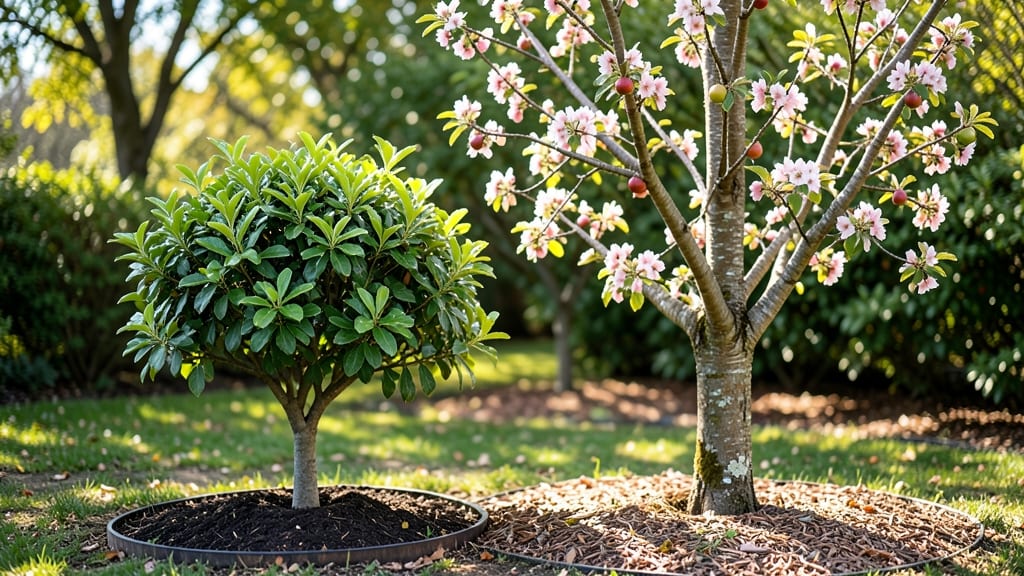
A crab apple tree can grow how tall does a crab apple tree grow to heights between 10 and 25 feet at maturity, depending on the variety you choose—some stay compact, while others reach towering heights that frame your yard like a natural skyline.
If you’re dreaming of a picturesque yard with stunning fall foliage and wildlife-friendly fruit, crab apple trees are a fantastic choice—but how tall will they really grow? The answer depends on the variety, and knowing these height ranges can help you plan your landscape perfectly.
From dwarf varieties like ‘Dolgo’ that max out at 12–15 feet to standard types like ‘Adams’ that stretch toward 30–40 feet, each species has its own growth pattern. Soil quality, sunlight exposure, and even your local climate play a role in how quickly they fill out.
Here’s what you need to know about spacing, pruning, and picking the right variety for your space—so you can plant with confidence and enjoy years of vibrant blooms and crunchy fruit.


Crab apple tree height ranges by popular variety (with mature size guide)
Crab apple trees are a gardener’s dream for their vibrant fall colors, fragrant blossoms, and wildlife benefits—but their mature height can vary dramatically. Some varieties stay compact enough for small yards, while others soar like towering sentinels.
Knowing these height ranges helps you choose the perfect tree for your space and landscape goals.
Whether you’re planning a privacy screen, a focal point, or a pollinator-friendly hedge, selecting the right variety ensures your crab apple tree thrives without overwhelming your property. Let’s explore the height ranges of 10 popular varieties, including dwarf, standard, and columnar types, so you can make an informed decision.
Pro Tip: Always check your local USDA hardiness zone (typically zones 4–8) and soil conditions, as these can influence growth rates. Most crab apples prefer full sun and well-draining soil for optimal height and health.
| Variety | Mature Height (ft) | Spread (ft) | Growth Rate | Ideal Spacing (ft) | Notes |
|---|---|---|---|---|---|
| 'Adams' | 25–30 | 20–25 | Moderate | 30–40 | Tallest variety; great for large estates. |
| 'Centennial' | 20–25 | 15–20 | Moderate | 25–30 | Classic choice; disease-resistant. |
| 'Dolgo' | 12–15 | 10–12 | Slow | 15–20 | Dwarf variety; perfect for small yards. |
| 'Adirondack' | 18–22 | 15–20 | Moderate | 25–30 | Cold-hardy; brilliant red fruit. |
| 'Golden Hornet' | 20–25 | 15–20 | Fast | 25–30 | Yellow fruit; attracts birds. |
| 'Red Sentinel' | 25–30 | 15–20 | Moderate | 30–40 | Columnar shape; narrow footprint. |
| 'Evereste' | 15–20 | 12–15 | Slow | 20–25 | White flowers; disease-resistant. |
| 'Sargent' | 18–22 | 15–20 | Moderate | 25–30 | Pink flowers; great for pollinators. |
| 'Prairie Fire' | 15–20 | 12–15 | Slow | 20–25 | Dwarf; fire-engine red fruit. |
| 'Columnar' | 20–25 | 3–5 | Slow | 10–15 | Ultra-narrow; ideal for tight spaces. |
For small yards, varieties like 'Dolgo' or 'Prairie Fire' (12–15 ft tall) are ideal, while
How to control crab apple tree height: pruning tips for compact growth
Keeping your crab apple tree at a manageable height doesn’t mean sacrificing its beauty or fruit production. With the right pruning techniques, you can encourage compact growth while maintaining a healthy, vibrant tree.
The key lies in timing, method, and understanding how these trees naturally grow—typically reaching 15–25 feet if left unchecked.
If you’re working with a standard variety like ‘Adams’ or ‘Royalty,’ expect 20–25 feet without intervention. But dwarf varieties like ‘Dolgo’ or ‘Centennial’ stay under 12 feet, making them perfect for smaller yards. The secret to controlling height? Structural pruning and seasonal maintenance.
Here’s my step-by-step guide to pruning for compact growth, including when to prune, what tools to use, and how to avoid common mistakes that lead to overgrowth:
Prune your crab apple tree during late winter or early spring (before buds swell) to promote controlled growth. Avoid pruning in fall, as this can stimulate tender new growth vulnerable to frost damage.
Grab a sharp bypass pruner for small branches and a pruning saw for thicker stems. Sterilize tools with rubbing alcohol to prevent disease spread.
Cut out suckers (shoots from the base) and water sprouts (vertical shoots) to redirect energy to the tree’s structure. These compete for nutrients and encourage uncontrolled height.
Remove 10–20% of the canopy to improve airflow and light penetration. Focus on crossing branches and those growing inward to maintain an open, balanced shape.
Cut back vertical leaders by 1/3 to 1/2 to encourage lateral branching. This reduces height while promoting a fuller, bushier tree.
For smaller spaces, plant on dwarfing rootstock (e.g., M.9 or B.9). These rootstocks limit growth to 8–12 feet while maintaining fruit production.
Don’t over-prune (never remove >30% of the canopy in one year) or prune too late in the season (after June). These mistakes stress the tree and lead to excessive regrowth.
For columnar varieties like ‘Columnar Red Sentinel,’ pruning is minimal—just remove dead or crossing branches. These trees grow naturally upright, reaching 12–15 feet with minimal intervention. Pair your pruning with regular mulching (2–3 inches of organic mulch) to support root health and compact growth.
Remember, patience is key. Crab apple trees respond best to gradual pruning over time. Start with light cuts and monitor how the tree reacts. With consistent care, you’ll enjoy a well-proportioned tree that fits your space perfectly—without sacrificing its stunning blooms or wildlife benefits.