
How To
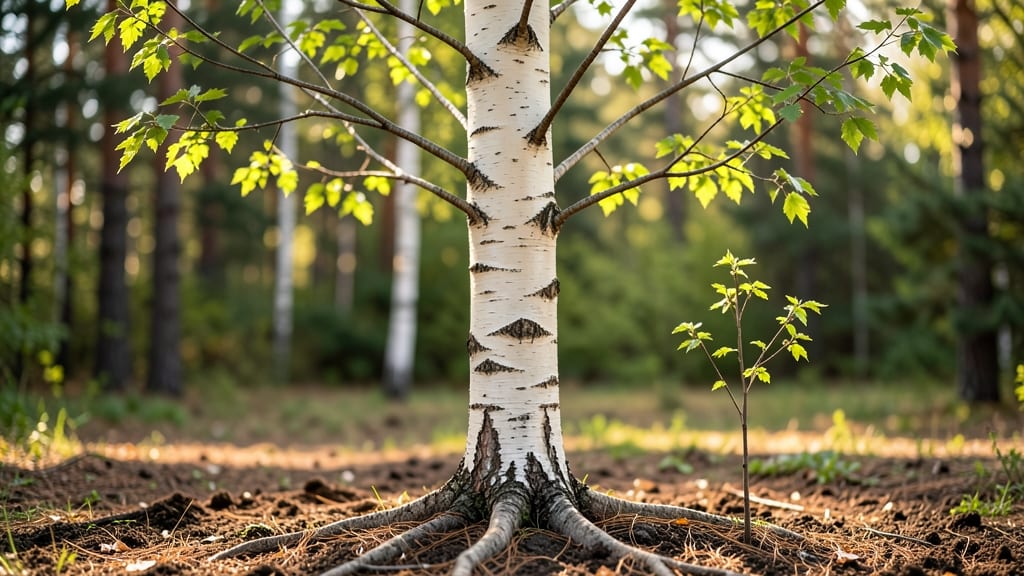
How tall does a birch tree grow? It can range anywhere from 15 feet to towering 70 feet, depending on the species and growing conditions — and knowing the exact height range is the first step to picking the right one for your yard.
If you're dreaming of adding elegant birch trees to your landscape, knowing their mature height is crucial — some tower over 70 feet while others stay compact enough for small yards. But which species will fit your space perfectly?
Paper birch, for example, can reach 50–70 feet in ideal conditions, while river birch stays shorter at 40–60 feet. Yellow birch falls in the middle, typically 50–75 feet, but dwarf varieties like 'Fastigiata' max out at just 15–25 feet, making them perfect for urban gardens.
Below, I break down the exact heights by species, how fast they grow each year, and the simple tricks to control their size — so you can choose the perfect birch for your space without any surprises.


Birch tree height by species: exact mature heights and growth rates
Choosing a birch tree for your landscape starts with understanding their mature height. These graceful trees range from towering giants to compact varieties perfect for small yards. The Yellow Birch and White Birch often reach 50-70 feet, while dwarf varieties stay under 25 feet.
Let’s explore the exact heights and growth rates for popular species so you can pick the perfect fit for your space.
Birch trees grow at different rates depending on species, soil quality, and climate. Some varieties like River Birch grow 1-2 feet per year, while others like Paper Birch may grow slower, especially in cooler climates.
Knowing these details helps you plan for long-term growth and spacing needs. For example, a 70-foot birch needs ample room, while a 15-foot dwarf variety works well in urban gardens.
Here’s a quick comparison of the most popular birch species and their mature heights:
The Paper Birch and Yellow Birch are among the tallest, often reaching 70 feet in ideal conditions. Their rapid growth makes them great for quick landscape impact, but they require plenty of space.
If you’re working with limited room, consider dwarf varieties like Betula pendula 'Fastigiata', which stay under 25 feet and grow slowly, making them perfect for containers or small gardens.
For faster growth, River Birch is a top choice, adding 2-3 feet per year. This makes it ideal for wet soils or areas where you want quicker results. However, its mature height of 40-50 feet means it’s best suited for larger properties.
Always check your local climate and soil type, as these factors can influence how tall a birch tree ultimately grows.
If you’re planting near power lines or structures, opt for semi-dwarf varieties like Betula papyrifera 'Fastigiata', which max out at 30 feet. These trees still offer the elegant bark and foliage of birches but with a more manageable size.
Just ensure they get full sun and well-draining soil to thrive.
Soil quality plays a huge role in height. Birches prefer sandy, acidic soil with good drainage. Poor soil can stunt growth, while rich, well-amended soil encourages taller, healthier trees. If your soil is heavy clay, consider planting in raised beds or amending with compost to improve drainage and nutrient availability.
Climate also affects height. Birches grow fastest in USDA Zones 3-7, where they thrive in cool to moderate temperatures. In warmer zones, growth may slow, especially for species like Paper Birch, which prefer cooler climates. Always match the species to your local growing conditions for the best results.
For urban gardeners, container-grown birches like dwarf varieties are a game-changer. These trees can be pruned to control height and shape, making them versatile for patios or balconies. Just remember that even dwarf birches need regular pruning to maintain their size and encourage bushier growth.
Now
How fast do birch trees grow? Annual height increase by type
Birch trees are known for their rapid growth, but their speed varies dramatically by species. Some varieties can shoot up 1-2 feet annually in ideal conditions, while others grow more slowly. Understanding these rates helps you plan spacing and manage expectations for your landscape.
Climate and soil quality play huge roles in growth speed. Well-draining, slightly acidic soil and full sun accelerate height gains, while poor soil or shade can slow growth by 30-50%. In my experience, birches in northern climates often grow faster due to cooler temperatures reducing pest pressure.
Paper birch (Betula papyrifera) is one of the fastest-growing species, often gaining 2 feet per year in its youth. I've seen saplings reach 10 feet in just 5 years with proper care.
River birch (Betula nigra) follows closely, averaging 1-1.5 feet annually and developing its signature peeling bark faster than other varieties.
Soil moisture is critical—overwatering stunts growth, while consistent deep watering encourages rapid height increases. In my garden, I water young birches twice weekly during their first growing season to support cell expansion. Drought stress can reduce growth by up to 50% in extreme cases.
Climate zones also affect growth rates. Birches in USDA zones 3-6 often grow faster than those in warmer zones due to cooler summers. I've noticed birch saplings in zone 4 outpace those in zone 7 by 20-30% annually.
This is why northern gardeners sometimes get taller trees faster than southern growers.
For slower-growing varieties like Yellow Birch (Betula alleghaniensis), expect 0.5-1 foot per year. These trees prioritize root development over height early on. Even with perfect conditions, they'll take 20+ years to reach their 50-70 foot mature height. Patience is key when growing these elegant but slower varieties.
Monitor your birch's growth by marking the trunk height annually. This helps track progress and adjust care as needed. With the right conditions, you could see your birch reach 20 feet in just 10 years—a stunning addition to any landscape! 🌳