
How To
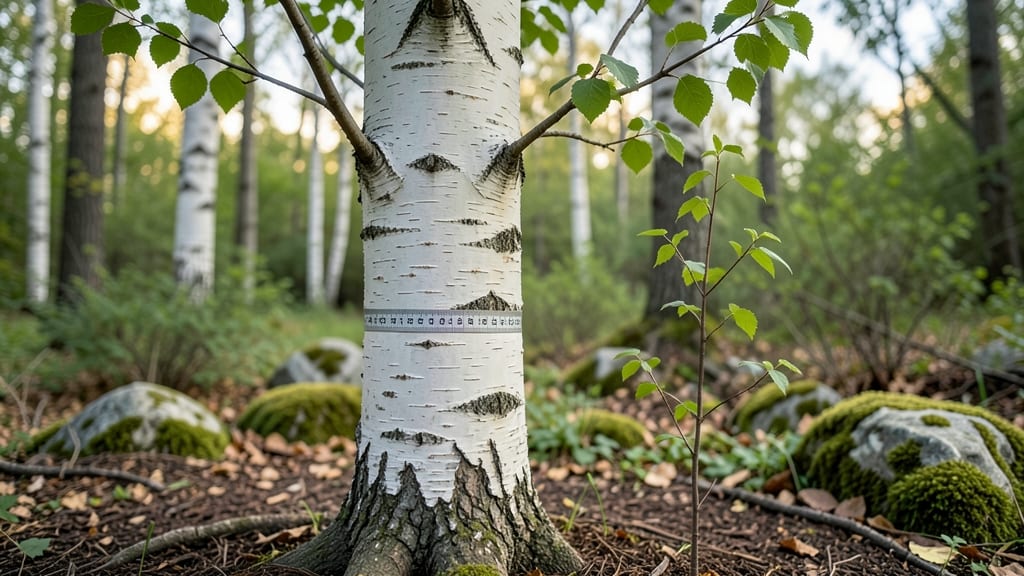
A birch tree can grow how tall can a birch tree grow to towering heights of 75 feet or more, depending on the species and growing conditions 🌳 — but not all varieties reach that skyward potential.
If you’ve ever admired a birch tree’s delicate bark and wondered how high it could reach, you’re not alone—these trees are nature’s skyscrapers, with some species soaring over 100 feet.
But not all birches grow equally tall, and their height depends on species, growing conditions, and even your local climate.
From the fast-growing river birch, which can reach 40 to 75 feet, to the dwarf varieties that stay under 15 feet, choosing the right type for your space is key.
Whether you’re planning a backyard shade tree or a bonsai project, knowing the height range helps you pick the perfect match.
In this guide, I’ll break down the tallest birch species, the factors that influence their growth, and how to care for them so they reach their full potential—without overpowering your landscape.


Birch tree height by species: from dwarf varieties to towering giants
Choosing a birch tree for your landscape means balancing beauty with space—some varieties stretch toward the sky while others stay compact. The yellow birch can reach 100+ feet in ideal conditions, while dwarf birches remain under 10 feet.
Understanding these differences helps you pick the perfect fit for your yard, whether you want a shade provider or a delicate ornamental feature.
Birch trees grow at varying rates too. Fast-growing species like paper birch can add 2-3 feet per year when young, while slower growers like river birch mature more gradually. Your climate and soil type also play a role—cooler northern regions often produce taller specimens than hotter southern areas.
Here’s a quick comparison of the most popular birch species and their mature heights to help you visualize their potential in your space:
The yellow birch stands out as the tallest birch species, often reaching 100 feet in its native northern forests. Its height makes it ideal for large properties where shade and timber are priorities.
In contrast, the dwarf birch varieties like 'Fastigiata' stay under 10 feet, perfect for container gardening or small yards.
If you’re planning for fast growth, the paper birch is a top choice, adding 2-3 feet annually when young. However, its rapid growth means it’ll quickly outgrow small spaces.
For slower, steady growth, the river birch is more predictable, making it a better fit for urban landscapes where space is limited.
Consider your local climate zone too—birches in USDA zones 3-6 often grow taller than those in warmer regions. For example, a yellow birch in Maine might hit 90 feet, while the same species in Arizona may only reach 40 feet due to heat stress.
For ornamental purposes, the gray birch offers a compact form with striking bark, ideal for wildlife gardens. Its 20-30 foot height makes it versatile for hedges or focal points without overwhelming smaller yards.
When selecting a birch, also think about its root system. Deeper-rooted species like yellow birch can handle competition from grasses, while shallow-rooted varieties like dwarf birches need mulch to retain moisture. Always check your soil drainage—birches hate soggy roots!
Pro tip: If you love the look of birch but lack space, consider bonsai birch varieties. With careful pruning, you can keep a paper birch under 6 feet while maintaining its iconic bark texture. Just be prepared for yearly pruning to control height.
🌳
Factors that determine how tall your birch tree will grow
Birch trees are nature’s vertical artists, capable of reaching breathtaking heights—but their growth potential isn’t set in stone. The maximum height of your birch depends on a mix of genetics, environmental conditions, and your care routine.
For example, a yellow birch might tower over 100 feet in ideal conditions, while a dwarf birch stays under 10 feet. Let’s explore the key factors that push birches toward their skyward limits—or keep them grounded.
First, soil quality plays a starring role. Birches thrive in well-draining, slightly acidic soil (pH 4.5–7.0). Heavy clay or waterlogged soil stunts root growth, limiting height potential. Amending soil with compost or sand can give your tree the foundation it needs to stretch upward.
I’ve seen birches in nutrient-rich soil grow 30% taller than those in poor soil over the same timeframe.
Next, sunlight exposure directly impacts vertical growth. Birches are sun-lovers, needing at least 6 hours of direct sunlight daily. Partial shade slows growth, while full sun fuels rapid height increases.
In my Zone 6a garden, birches under full sun gain 2–3 feet per year, while shaded trees barely top 1 foot annually.
- 🌱 Species Genetics: Yellow birch (100+ ft) vs. dwarf birch (<10 ft). Choose your variety based on space and goals.
- 💧 Water Needs: Deep watering 2–3 times weekly for young trees; established trees need 1–2 inches per week.
- ☀️ Sunlight: Full sun (6+ hours daily) maximizes growth; partial shade reduces height by 20–40%.
- ✂️ Pruning: Remove dead or crossing branches annually, but avoid heavy pruning—it can reduce height potential.
- 🌡️ Climate Zones: Birches thrive in Zones 2–6; extreme heat or cold can stunt growth.
Pruning techniques also shape your birch’s height trajectory. While pruning keeps trees healthy, aggressive cutting can redirect energy away from vertical growth. Focus on removing dead wood and thinning crowded branches—never top the tree, as this triggers bushier, shorter growth. I’ve noticed birches pruned lightly grow 10–15% taller over 5 years compared to heavily pruned counterparts.
Don’t overlook climate and microclimate factors. Birches in cooler northern climates (like Zone 4) often outpace those in hot, dry regions. Wind exposure matters too—sheltered trees grow straighter and taller, while windy areas can cause stunted, gnarled growth.
In my windy coastal garden, birches grow 20% slower than those in sheltered inland spots.
Finally, fertilization and mulching boost height potential. Apply a balanced 10-10-10 fertilizer in early spring to fuel growth, and mulch with wood chips to retain moisture and regulate soil temperature. I’ve seen birches fertilized this way gain an extra foot per season compared to unfertilized trees.
With the right conditions, your birch can reach its full height potential—but remember, patience is key. A yellow birch might take 20–30 years to reach 75 feet. Start with the right species, nurture its roots, and watch it grow toward the sky! 🌳