
How To
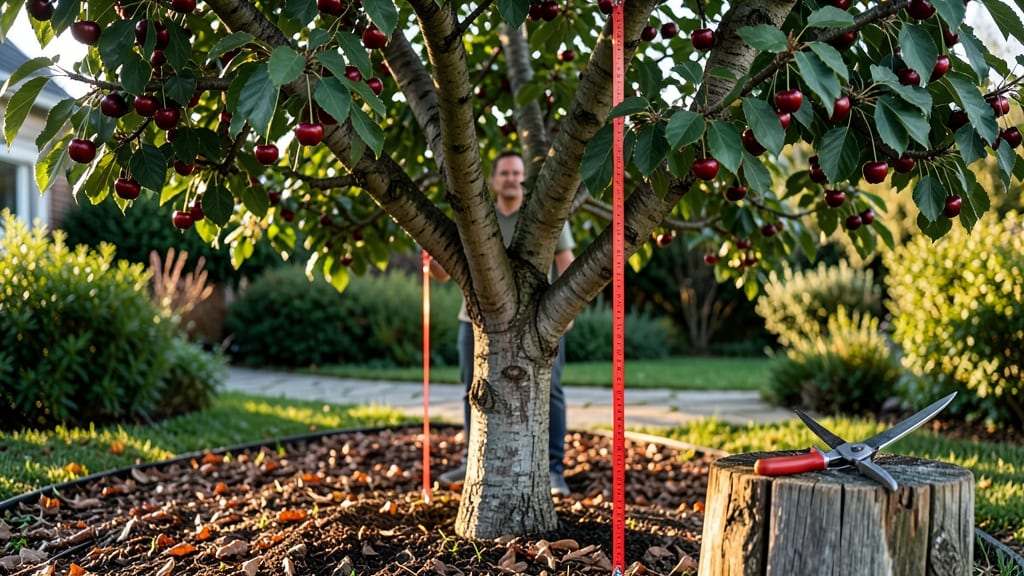
A cherry tree can grow anywhere from 6 feet to over 40 feet tall, depending on the variety you choose 🍒 — and your yard space may dictate which one is right for you.
Dreaming of a cherry tree in your backyard but unsure if it will dwarf your space or tower over your roof? The height of a cherry tree depends entirely on its variety—and the answer might surprise you.
Dwarf varieties like 'Stella' stay under 12 feet, making them perfect for small gardens or even large containers, while standard types like 'Bing' can reach 30 feet or more, turning your yard into a sweet-smelling canopy.
In this guide, I’ll break down the height ranges for popular varieties, how pruning and soil quality affect growth, and the best care tips to keep your cherry tree at your ideal height.


Cherry tree height guide: dwarf vs standard vs giant varieties explained
Dreaming of a cherry tree in your backyard but unsure if it will dwarf your space or tower over your roof? The height of a cherry tree depends entirely on its variety—and the answer might surprise you.
Whether you're working with a small urban garden or a spacious rural property, choosing the right size is critical for both aesthetics and practicality. Let's explore how tall cherry trees can grow, from compact dwarf varieties to towering standard and giant trees.
Cherry trees come in three main height categories: dwarf (6-12 ft), standard (20-30 ft), and giant (40-50+ ft). The difference isn't just about space—it also affects fruit production, maintenance needs, and even harvesting ease.
For example, a dwarf cherry tree might reach just 8 feet, perfect for containers or small patios, while a standard Bing cherry tree can soar to 30 feet, requiring careful planning and pruning.
🌱
| Variety Type | Mature Height Range | Growth Rate (Annual) | Best For | Fruit Production |
|---|---|---|---|---|
| Dwarf | 6–12 ft | 1–2 ft/year | Containers, small yards, urban gardens | Moderate (smaller fruit yield) |
| Semi-Dwarf | 12–18 ft | 2–3 ft/year | Backyards, patios, small orchards | High (balanced yield) |
| Standard | 20–30 ft | 3–5 ft/year | Large properties, orchards, landscape features | Very High (large fruit yield) |
| Giant | 40–50+ ft | 4–6 ft/year | Rural estates, parks, historic landscapes | Extreme (massive yield) |
If you're wondering, "How tall can a cherry tree grow in my space?" the answer starts with selecting the right rootstock. Dwarf varieties are grafted onto stunted rootstocks like Gisela 5 or Gisela 6, which naturally limit height.
In contrast, standard trees use vigorous rootstocks like Mazzard or Mahaleb, allowing them to reach their full 20-30 ft potential. For giant varieties, no special rootstock is needed—they simply grow taller due to their genetics.
Growth rates vary dramatically. A dwarf cherry tree might only grow 1-2 feet per year, while a standard Bing cherry can shoot up 3-5 feet annually in ideal conditions.
This means a 10-year-old standard tree could already be 25-30 feet tall, while a dwarf variety of the same age might only reach 8-10 feet. Planning for this growth is essential, especially if you're planting near structures or power lines.
🌿
Another critical factor is pruning and training. Even standard cherry trees can be kept smaller with regular heading back and thinning cuts, though this reduces fruit production. For dwarf varieties, pruning is mostly about shaping and airflow—removing suckers and dead wood keeps them compact.
If you're growing a giant cherry tree, pruning becomes more about safety and structural integrity, as these trees can become too heavy for their own branches.
Soil and sunlight also play a role in how tall a cherry tree grows. Full sun (6+ hours daily) and well-draining soil encourage faster, healthier growth. Poor soil or shade can stunt a tree's height, sometimes by 30-50%.
For example, a standard Rainier cherry tree might only reach 15-20 feet in partial shade, compared to 25-30 feet in full sun. Always test your soil's pH (6.0-7.0 ideal) and amend it with compost or organic matter to support optimal growth.
🪴
Let’s talk about fruit production, because taller trees don’t always mean better harvests. Dwarf cherry trees produce smaller yields but are easier to harvest, making them ideal for home orchards with limited space. Standard trees, however, offer abundant fruit—often 100-200 lbs per tree—but require ladders or picking tools.
If you're growing cherries for commercial purposes, a semi-dwarf or standard tree is usually the best balance of <
Best low-maintenance dwarf cherry trees for small gardens and containers
If you love the idea of fresh cherries but lack space for a towering tree, dwarf cherry varieties are your perfect solution. These compact powerhouses mature between 6 to 12 feet tall, making them ideal for patios, balconies, or even large containers.
With proper care, they’ll reward you with delicious fruit while keeping your space tidy and functional.
Choosing the right dwarf variety depends on your climate and fruit preferences. Sweet cherries like 'Stella' and tart varieties like 'Black Tartarian Compact' both excel in small spaces.
The key is selecting a variety that thrives in your USDA zone and matches your gardening style—whether you prefer container growing or in-ground planting.
Top 5 Dwarf Cherry Trees for Small Spaces
- 1. 'Stella' – 8-10 ft tall, sweet cherries, self-pollinating, perfect for containers (15-gallon pot).
- 2. 'Compact Stella' – 6-8 ft tall, ultra-compact, ideal for urban gardens, needs full sun.
- 3. 'Black Tartarian Compact' – 8-10 ft tall, tart cherries, disease-resistant, thrives in cooler climates.
- 4. 'Balaton' – 6-8 ft tall, sweet cherries, self-pollinating, great for small yards or patios.
- 5. 'Lapins' – 8-10 ft tall, tart cherries, cold-hardy, excellent for northern gardens.
When planting dwarf cherries, prioritize well-draining soil and a sunny location with at least 6 hours of direct sunlight daily. For container growing, use a large pot (minimum 15 gallons) with drainage holes to prevent root rot.
Mulch around the base to retain moisture and regulate soil temperature, especially during hot summers.
Pruning is minimal but essential for maintaining shape and encouraging fruit production. In late winter or early spring, remove dead or crossing branches and thin out overcrowded areas.
Avoid heavy pruning, as dwarf varieties produce fruit on older wood. A light trim after harvest helps promote airflow and reduces disease risk.
Fertilize your dwarf cherry tree in early spring with a balanced 10-10-10 fertilizer to support new growth. Water deeply once a week during the growing season, ensuring the soil stays moist but not waterlogged. In containers, check moisture levels daily, as pots dry out faster than in-ground plantings.
With the right variety and care, your dwarf cherry tree will thrive for years, providing shade, beauty, and a bounty of fresh fruit—all without overwhelming your space. Start small, and enjoy the rewards of a low-maintenance cherry tree that fits perfectly in your garden or patio! 🌱🍒