
How To
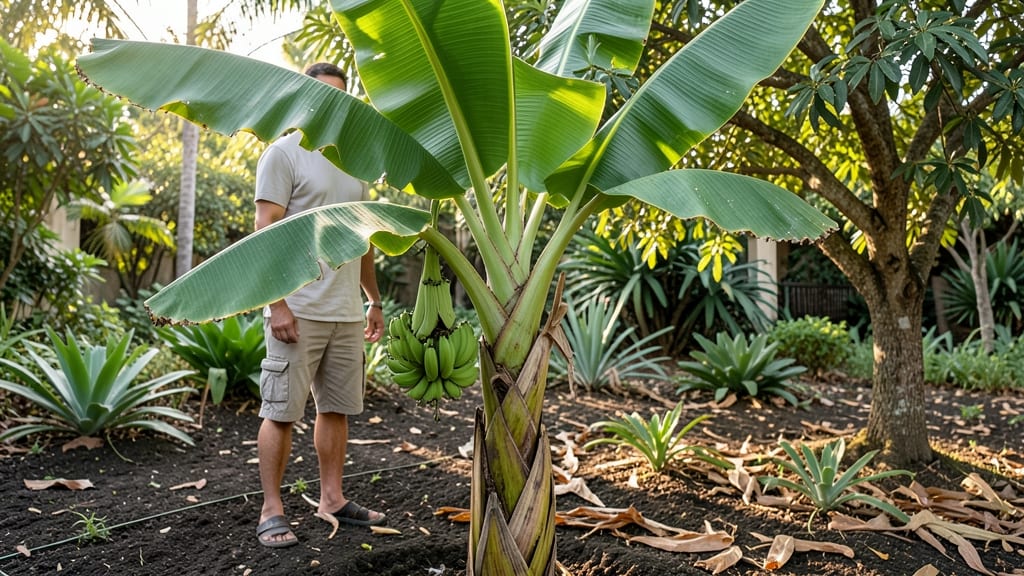
Banana tree height by variety: from dwarf types under 10 feet to giant species over 30 feet
Banana trees are famous for their dramatic height variations—some stay small enough for containers while others become towering jungle giants. The height range depends entirely on the cultivar, with dwarf types reaching just 8 feet and giant varieties soaring past 30 feet.
Whether you're dreaming of a backyard harvest or need a compact houseplant, understanding these differences is key to choosing the right variety for your space.
Most banana trees grow as herbaceous plants (not true trees) with a pseudostem that accumulates height over time. Their growth rate accelerates in tropical climates, where they can add 3-5 feet per year.
In cooler regions, growth slows dramatically, often resulting in shorter, bushier plants. The variety you select will determine whether your banana tree becomes a skyscraper of the garden or a manageable container plant.
🌱 Comparison Table: Banana Tree Heights by Variety
The Dwarf Cavendish is the most popular choice for home gardeners because it stays under 10 feet and thrives in containers. This makes it ideal for patios or balconies in USDA Zones 10-12.
In contrast, the Gros Michel, once the world's dominant commercial banana, can reach 30 feet or taller in perfect conditions. These giants need wide spacing and deep soil to support their massive pseudostems and heavy fruit bunches.
Climate plays a huge role in height. In tropical regions, banana trees grow aggressively, sometimes adding 5 feet per year. But in subtropical zones, growth slows, and plants may never reach their full potential height.
For example, a Lady Finger banana might stay at 12 feet in Florida but only reach 8 feet in Southern California. Cold snaps can stunt growth entirely, forcing the plant to focus on survival rather than height.
If you're growing bananas in containers, dwarf varieties like 'Dwarf Blue Java' or 'Saba' are excellent choices. These stay under 10 feet and produce fruit in 1-2 years. However, even dwarf varieties need large pots (20+ gallons) and regular feeding to prevent stunted growth.
Without proper care, even a dwarf banana tree can become leggy and weak, struggling to support its own weight.
For those with limited space, consider pruning techniques to manage height. Removing the flower stalk (if you don’t want fruit) can redirect energy into leaf growth, making the plant bushier.
You can also top the pseudostem to encourage branching, which creates a fuller, shorter appearance. Just remember—pruning too aggressively can reduce fruit production in the long run.
One common misconception is that all banana trees grow into 30-foot monsters. In reality, most home gardeners grow dwarf or semi-dwarf varieties that stay under 15 feet.
The tallest recorded banana tree was a Musa acuminata in Hawaii that reached 33 feet, but this required ideal conditions, including rich soil, consistent water, and year-round warmth
How to control banana tree height: pruning, spacing, and variety selection for small spaces
If you’re dreaming of growing bananas but worried about them becoming jungle giants in your backyard, don’t fret! With the right variety selection and pruning techniques, you can keep your banana tree at a manageable height—even in small spaces.
The key lies in choosing compact varieties and implementing smart growth strategies.
For urban gardeners or those with limited yard space, dwarf banana varieties are your best bet. These can thrive in containers while staying under 10 feet tall. Even standard varieties can be managed with proper pruning and support systems to prevent them from becoming unruly.
⚠️ WARNING: Without control, banana trees can grow 20-30 feet tall—taller than most homes! Even dwarf varieties need regular pruning and root management to prevent overgrowth.
If you live in USDA zones 10-12, where banana trees thrive, proper spacing and support are critical to avoid structural damage to your home or patio.
Start by selecting the right container size for your chosen variety. A 15-gallon pot works well for dwarf types like Dwarf Cavendish, while larger containers (30+ gallons) accommodate semi-dwarf varieties like Lady Finger.
Ensure your container has drainage holes to prevent root rot, a common issue with banana trees.
When pruning, focus on removing old or damaged leaves to redirect energy to new growth. Cut leaves at the base with clean, sharp pruning shears, leaving a small stub.
Avoid cutting into the pseudostem—the tree’s trunk-like structure—unless it’s completely dead. Regular pruning keeps your tree compact and healthy while encouraging fruit production.
For taller varieties, install a support system like bamboo stakes or a sturdy trellis to guide growth and prevent leaning. This is especially important in windy climates, where unsupported trees can topple.
Mulch around the base with organic matter to retain moisture and suppress weeds, which can compete with your banana tree’s roots.
If you’re growing bananas in containers or small gardens, consider harvesting fruit early to prevent the plant from putting all its energy into producing a massive pseudostem. Removing flower stalks before fruiting can also help manage height, though this reduces your harvest.
With these techniques, you can enjoy homegrown bananas without sacrificing your backyard space! 🍌