
Blooming
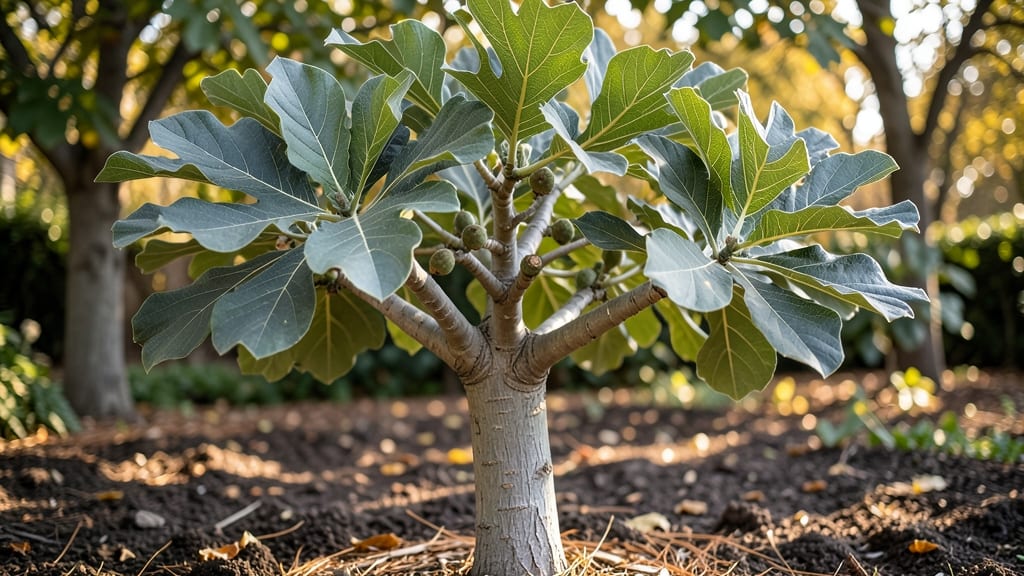
A fig tree bears fruit in how long before a fig tree bears fruit 1 to 3 years, but the timeline depends on variety, care, and climate—so don’t rush the process.
If you’ve ever planted a fig tree hoping for sweet, sun-ripened fruit, you know the wait can feel agonizing—especially when neighbors’ trees already droop with harvests. But how long should you wait before your 🍇 tree bears fruit? The answer depends on variety, care, and a few surprising growth factors.
Common figs like Brown Turkey or Chicago Hardy often fruit within 2 years in ideal conditions, while caprifigs or dwarf varieties might take longer. Container-grown figs can fruit faster if they get enough sunlight and nutrients, but patience is key—skipping proper pruning or soil prep can delay fruiting for years.
Below, I break down the exact timeline by variety, the 5 critical factors that speed up (or stall) fruit production, and how to tell when your tree is finally ready to harvest. Spoiler: It’s not just about age—soil, sunlight, and even pruning techniques play a huge role.
Fig tree fruit timeline by variety: when to expect harvests
Fig trees are famously patient—some varieties take 1-2 years before producing fruit, while others reward you with harvests within 6-12 months.
The key lies in choosing the right variety and understanding their unique growth cycles. Brown Turkey and Celestial figs often fruit faster than Chicago Hardy, but climate and care play just as big a role. Let’s break down what to expect from your fig tree’s first harvest.
Most fig trees need 1 full growing season before bearing fruit, but dwarf varieties and container-grown trees may fruit even sooner—sometimes as early as 6 months. Standard trees, however, can take 2-3 years to reach maturity and produce reliable crops.
The USDA hardiness zone also matters: colder climates (zones 6-7) may delay fruiting until the tree is 3-4 years old.
Here’s a quick reference for common fig varieties, including their typical fruiting timelines and mature yields:
If you’re growing a container fig tree, expect fruit even sooner—sometimes within 6-9 months—because their roots are confined, triggering faster maturation. However, container-grown trees produce smaller yields (typically 10-30 lbs/year) compared to in-ground varieties.
To maximize production, use a 15-gallon pot or larger and ensure it has drainage holes.
First-year fig trees often produce only a few small fruits as they focus on establishing roots. Don’t be discouraged—this is normal! By year 2 or 3, most varieties will reward you with a full harvest.
For example, my Brown Turkey tree yielded just 3 figs in its first year but produced over 50 lbs by year 3 with proper care.
Climate plays a surprising role in fruiting time. In warmer zones (8-10), figs like Desert King may fruit in their first year, while in cooler zones (6-7), varieties like Chicago Hardy might need 3 years to mature.
If you’re in a short growing season, choose early-maturing varieties like Celestial or Little Miss Figgy for faster rewards.
Pruning also affects fruiting time. Heavy pruning in early spring can delay fruit production by 6-12 months as the tree redirects energy to new growth. Instead, opt for light pruning to encourage fruiting branches.
I prune my Chicago Hardy minimally—just removing dead wood—to ensure it focuses on producing fruit rather than foliage.
Soil quality is another game-changer. Figs thrive in well-draining, slightly alkaline soil (pH 6.0-7.0). If your soil is too acidic (pH below 6.0), amend it with lime to speed up fruiting.
Poor soil can delay harvests by 1-2 years, so test your soil before planting. My Celestial tree fruited in 9 months after I added compost and adjusted the pH.
With the right variety, care, and a little patience, your fig tree will soon be heavy with sweet, sun-ripened fruit. Start with a fast-maturing variety like Celestial if you’re eager for harvests, or choose a cold-hardy option like Chicago Hardy for long-term reliability.
Either way, the wait is worth it! 🍇
5 Critical factors that speed up (or delay) fig tree fruiting
Fig trees are famously patient—some varieties take 2-3 years to produce fruit, while others like Celestial may fruit in just 1 year under ideal conditions. The difference often comes down to five key factors: sunlight, soil pH, pruning, watering, and temperature.
Get these wrong, and your tree might spend years growing leaves instead of figs. I’ve learned this the hard way with my Chicago Hardy, which stalled fruiting until I adjusted its care.
First, sunlight is non-negotiable. Figs need 6-8 hours of direct sun daily—any less, and they’ll focus on foliage over fruit. My tree in a partial shade spot produced only a handful of tiny figs until I moved it to full sun.
Even container-grown figs need this light; place them near a south-facing window or use grow lights in winter.
Soil pH is another silent killer. Figs thrive in acidic to slightly acidic soil (pH 6.0-6.5). If your soil tests higher—say, 7.5 or above—your tree may look healthy but produce no fruit.
I fixed this by adding elemental sulfur and composted pine needles. A simple soil test kit ($10) saves years of frustration.
Pruning might seem counterintuitive, but aggressive trimming in late winter forces the tree to focus on fruiting. Cut back 1/3 of the oldest wood to encourage new, productive branches. Avoid pruning in summer—this triggers new growth that won’t mature before winter, delaying fruit for another year.
My Brown Turkey went from sparse fruit to heavy harvests after this change.
Watering is where many gardeners go wrong. Figs hate dry spells but also waterlogged roots. Aim for deep watering once a week (15-20 gallons) rather than frequent shallow drinks. Container-grown figs need watering every 3-5 days in summer.
Overwatering causes root rot, while underwatering leads to figs that drop prematurely. Mulch with straw or wood chips to retain moisture.
Finally, temperature makes or breaks fig production. Trees in Zones 7-10 fruit reliably, but those in colder zones (like my Zone 6 garden) need protection. Wrap the trunk in burlap and mulch with 6 inches of straw to survive 20°F dips.
Even a single cold snap can kill a young tree, setting back fruiting by 2+ years. In containers, move trees indoors before frost.
Common mistakes like over-fertilizing with nitrogen (leads to leafy growth, no fruit) or pruning at the wrong time (summer instead of winter) can delay fruiting by years. Pay attention to these details, and your fig tree could bear fruit 1-2 years faster than average. 🍇