
Pruning
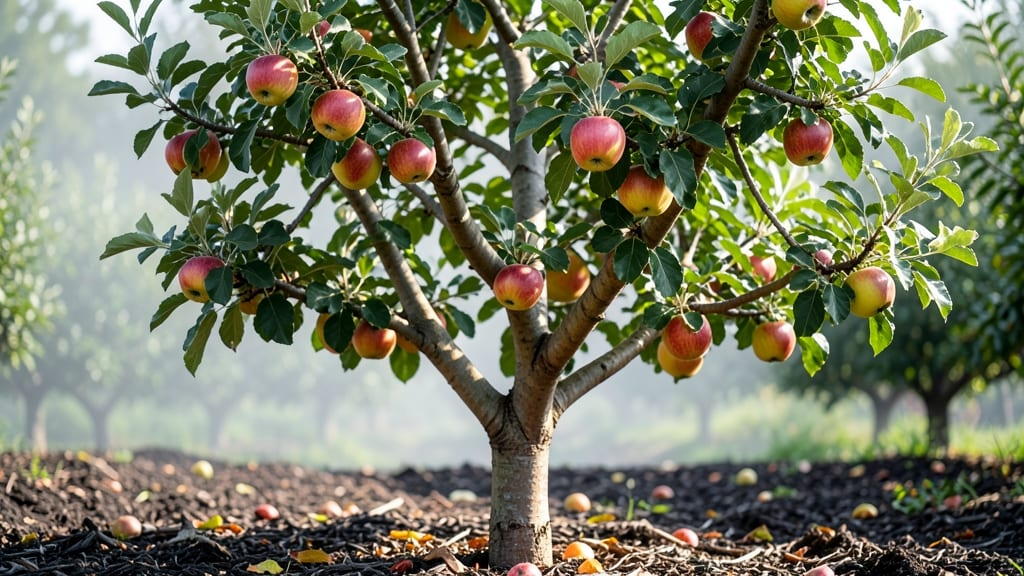
Honeycrisp apple trees thrive in USDA hardiness zones 3 through 8, requiring winter chill hours (500–1,000) for optimal fruit production. Verify your local zone before planting to ensure cold hardiness and fruit quality.
Planting a Honeycrisp apple tree in the right climate zone directly impacts its ability to produce those signature crisp, sweet apples. 🍏 The 500–1,000 chill hours requirement means your tree needs cold winters to set buds properly—too little chill can lead to sparse or poor-quality fruit.
Even within zones 3–8, microclimates like urban areas or sheltered valleys can create ideal pockets for growth. For example, a zone 7 garden might still struggle if summers are too hot, while a zone 5 location with good airflow could thrive.
Always check your specific county’s USDA zone map and consider local weather patterns before committing to a planting spot.
💡 In This Article
- Understanding Honeycrisp Apple Tree Cold Hardiness Requirements
- Best Planting Zones and Microclimate Adjustments for Honeycrisp Trees
Understanding Honeycrisp apple tree cold hardiness requirements
The Honeycrisp apple tree's cold hardiness hinges on two key factors: USDA hardiness zones 3–8 and 500–1,000 winter chill hours. These requirements aren't just arbitrary—they're tied to the tree's biological need for dormancy.
During winter, temperatures between 32–45°F trigger the production of hormones that break seed dormancy and prepare buds for spring flowering. Without sufficient chill hours, the tree's flowering cycle gets disrupted, leading to poor fruit set or smaller harvests. 🌱
Within zones 3–8, the tree's ability to survive varies by region. For example, in zone 3 (like northern Minnesota), Honeycrisp can endure -40°F winters, while in zone 8 (like southern California), it needs protection from below 20°F temperatures.
The tree's bark and cambium layer contain natural antifreeze proteins that prevent ice crystal formation in cells, but extreme cold (-25°F for extended periods) can still cause damage. Heat stress in zones 7–8 is equally critical—temperatures above 95°F for prolonged periods can scorch leaves and reduce fruit quality.
What most gardeners overlook is how chill hours accumulate. These aren't just cold nights—they're hours where temperatures stay between 32–45°F. A location with 600 chill hours might still produce fruit, but the yield and quality will suffer compared to a 900-hour zone.
For instance, Portland, Oregon (zone 8) averages 800–1,000 chill hours, while Phoenix, Arizona (also zone 8 but hotter), often falls short of 500 hours, making Honeycrisp a poor choice without microclimate adjustments.
Extreme weather events further complicate things. A sudden late frost in spring can kill blossoms, while early fall warmth can prevent proper dormancy.
The Honeycrisp's thin skin and high sugar content also make it more vulnerable to sunscald in hot climates—exposed bark can turn white and crack if temperatures fluctuate between 30°F nights and 90°F days.
This is why gardeners in marginal zones (like zone 7b) often use white tree wrap or plant in north-facing locations to mitigate stress.
Here's what actually happens at the cellular level: Cold temperatures increase the production of abscisic acid, a plant hormone that signals dormancy. This hormone helps the tree's cells produce protective proteins like dehydrins, which act like antifreeze.
Meanwhile, warm spells can trigger premature bud swell, making the tree vulnerable to frost damage. The balance between these processes is delicate—too little chill means weak flower buds, while too much cold can damage the tree's vascular system. 🌡️
For practical application, use a chill hour calculator for your region (available from local extension services) and consider these adjustments:
- Zone 3–5: Choose a north-facing slope to reduce heat stress in summer
- Zone 6–7: Use windbreaks to protect from late frosts and plant near evergreens for winter shelter
- Zone 8: Opt for dwarf varieties (like 'Honeycrisp' on M.9 rootstock) and provide afternoon shade