
Pruning
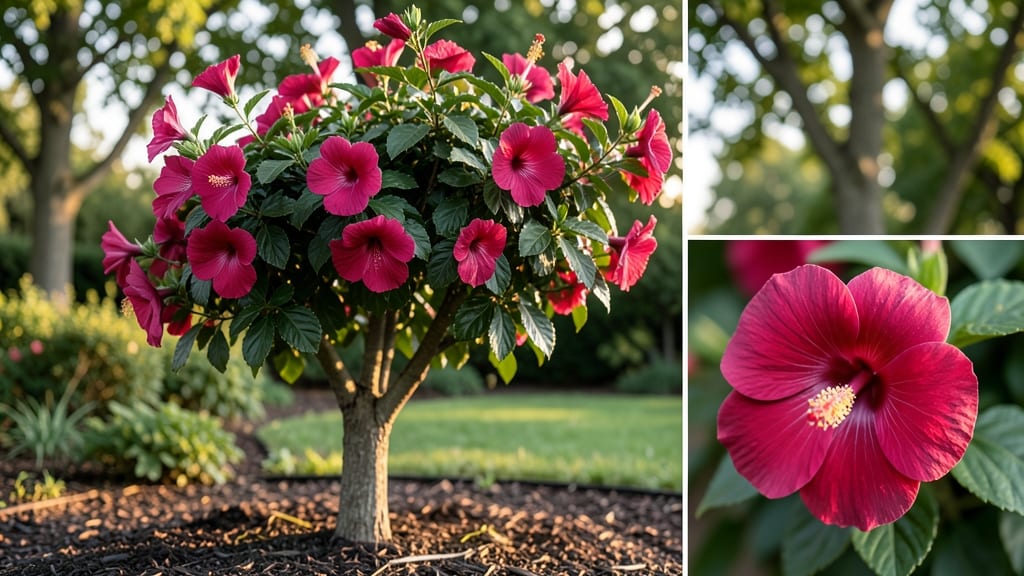
The ideal hibiscus tree temperature range spans USDA zones 4 through 11, where they comfortably endure temperatures from 25°F to 100°F. While most varieties favor warmth, they can tolerate brief dips below 30°F with proper protection, with evergreen types showing better cold resistance than tropical species.
Understanding your hibiscus's temperature preferences starts with recognizing the two main categories: hardy hibiscus and tropical hibiscus. 🌡️ Hardy varieties like Hibiscus syriacus (rose of Sharon) can survive down to 0°F when properly mulched, thanks to their woody stems and ability to regrow from the base.
Tropical hibiscus, such as Hibiscus rosa-sinensis, are far less frost-tolerant, often suffering damage below 30°F unless sheltered. The key difference lies in their growth habits—hardy types store energy in their roots for winter recovery, while tropical species rely on continuous warmth.
For practical care, winterizing hibiscus involves several steps: wrapping the base with burlap or frost cloth, applying a thick layer of mulch (4-6 inches), and pruning back dead growth in early spring.
During summer heatwaves, focus on consistent watering (1-2 inches per week) and providing afternoon shade to prevent leaf scorch. Potted hibiscus need extra attention—bring them indoors when nighttime temperatures drop below 50°F, as their roots are more vulnerable to cold stress.
💡 In This Article
- Hibiscus Tree Cold Tolerance by Variety
- Protecting Hibiscus Trees from Frost and Heat Stress
Hibiscus tree cold tolerance by variety
The cold hardiness of hibiscus trees varies dramatically between species, primarily due to differences in their native climates and physiological adaptations.
Hardy hibiscus, such as Hibiscus syriacus (rose of Sharon), can withstand temperatures as low as 0°F when properly protected, thanks to their thick, woody stems and deep root systems that store energy for regrowth.
These varieties enter dormancy in winter, shedding leaves to conserve moisture and energy, much like deciduous trees. In contrast, tropical hibiscus like Hibiscus rosa-sinensis lack this dormancy mechanism and typically suffer irreversible damage when exposed to temperatures below 30°F.
The root systems of hardy hibiscus play a critical role in their frost resistance. Their extensive, fibrous roots extend deep into the soil, allowing them to access moisture and nutrients even in cold conditions.
This deep root network also helps stabilize the plant and insulate it against temperature fluctuations near the surface. 🌱 Meanwhile, tropical hibiscus have shallower, more delicate root systems that are highly sensitive to cold soil temperatures, often leading to root rot or freezing if exposed to prolonged cold.
The leaf structure also matters—hardy hibiscus leaves are thicker and waxier, reducing water loss during winter, while tropical varieties have thinner, more moisture-sensitive foliage.
What sets apart the most cold-hardy hibiscus varieties is their ability to regenerate from the base after frost damage. When temperatures dip below 20°F, the stems and leaves of Hibiscus syriacus may blacken, but the roots and lower stem often survive.
This resilience allows the plant to sprout new growth in spring, provided the roots remain undamaged. Tropical hibiscus, however, lack this regenerative capacity and will typically die back to the ground if exposed to freezing temperatures, requiring careful overwintering strategies.
For gardeners in transitional climates (like USDA zones 7-9), choosing the right variety is essential. Some hybrid hibiscus, such as Hibiscus moscheutos (swamp hibiscus), can tolerate temperatures down to -10°F with proper mulching, making them ideal for colder regions.
These varieties combine the hardiness of Hibiscus syriacus with the vibrant blooms of tropical hibiscus. The key to their success lies in their ability to balance cold tolerance with the need for warm summers to produce flowers.
Understanding these differences helps gardeners select hibiscus varieties that match their local climate.
For example, in USDA zone 6, where winter temperatures can drop to -10°F, planting Hibiscus syriacus with a 4-6 inch mulch layer and winter wrapping is far more effective than attempting to grow tropical hibiscus outdoors.
The mulch acts as an insulating blanket, moderating soil temperature and protecting roots from freezing.
In regions with hot summers, such as USDA zone 10, tropical hibiscus thrive year-round, but their lack of cold tolerance means they must be treated as annuals or overwintered indoors in colder areas.
This variety-specific approach ensures that hibiscus trees not only survive but also flourish in their growing conditions.