
Blooming
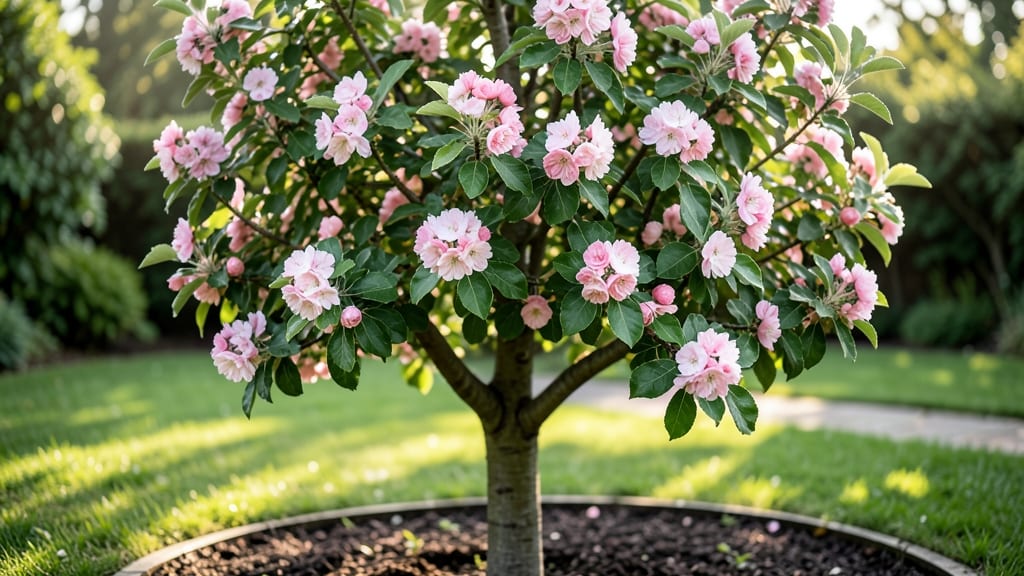
Your garden’s springtime centerpiece starts with Gala apple tree blossoms—those delicate pink-white clusters that transform any yard into a pollinator paradise. 🌸 I’ve watched mine turn neighbors’ heads every March, drawing bees, butterflies, and even the occasional hummingbird with their sweet fragrance and vibrant color.
The timing is everything: these blossoms appear in late April to early May, just when most other spring blooms are fading. Plant them near dwarf lilacs, crabapples, or spring bulbs to extend the show—your garden will feel like a curated floral masterpiece.
The contrast of their soft pink petals against fresh green leaves creates that "just-bloomed" magic photographers love. You’ll want to prune lightly after flowering to encourage next year’s display while keeping the tree’s shape open.
A well-placed Gala becomes the star of spring weddings, garden tours, or simply your morning coffee routine—imagine that view from your kitchen window. The best part? These blossoms aren’t just pretty; they’re nature’s invitation to the pollinators that’ll ensure your fruit harvest later.
For maximum impact, position the tree where its blossoms get morning sun and afternoon shade—this keeps petals fresh longer. Pair it with low-growing perennials like creeping phlox or ajuga to frame the base, and you’ve got a low-maintenance, high-reward spring display that requires zero effort after planting.
The fragrance alone makes it worth the space, but the visual drama? That’s the real game-changer.
📚 In This Guide
- What you need
- Instructions
- Tips and common mistakes
- Wrapping up and next steps
What you need
- ● Gala apple tree – A healthy, mature tree (3-5 years old for optimal blossoming) or a young sapling (if planting new).
- ● Well-draining soil – A mix of topsoil, compost, and sand (ratio: 60% topsoil, 30% compost, 10% sand) for ideal root health.
- ● Organic fertilizer – Balanced 10-10-10 or fruit-tree-specific fertilizer (1-2 lbs per tree, applied in early spring).
- ● Mulch – Wood chips or straw (2-3 inches thick, keep 6 inches away from the trunk).
- ● Watering can or hose – With a gentle spray nozzle for hydration without damaging blossoms.
- ● Pruning shears – Bypass pruners (sharp, 6-8 inch blades) for shaping and deadwood removal.
- ● Gloves – Heavy-duty gardening gloves (to protect from thorns and sap).
- ● Trowel or spade – For planting or amending soil around the tree base.
- ○ Pest control spray – Neem oil or horticultural oil (optional, for early pest prevention).
- ● Stakes & ties – 3-4 stakes and soft tree ties (if supporting young or newly planted trees).
- ● A sunny location – At least 6-8 hours of direct sunlight daily for optimal blooming.
- ● Proper spacing – 15-20 feet between trees (if planting multiple) for airflow and growth.
- ● Knowledge of your climate zone – Gala apple trees thrive in USDA Zones 4-8; adjust care based on frost dates.
- ● Patience – Young trees may take 2-5 years to produce their first significant blossoms!
How to care for Gala apple tree blossoms for maximum pollinator appeal
Here’s how to nurture those stunning pink-white blossoms into a thriving pollinator magnet.
🌱 Step 1: Prune for Airflow and Sunlight
Prune in late winter or early spring before buds swell to 20-30% of the previous year’s growth. This opens the canopy so sunlight reaches blossoms and bees can navigate easily. Use clean, sharp pruners to make cuts at a 45-degree angle just above an outward-facing bud.
Remove dead, crossing, or diseased branches first—they block airflow and trap moisture that invites fungal infections. Gala trees respond best to an open vase shape, so aim for a central leader with evenly spaced scaffold branches. Watch for new growth emerging from pruned cuts; this signals the tree is healing well.
☀️ Step 2: Ensure Proper Sunlight and Watering
Gala apple trees need 6-8 hours of direct sunlight daily for robust blossoming. If your tree is in partial shade, prune surrounding vegetation to increase light exposure. You’ll notice blossoms opening more fully and lasting longer when sunlight is optimal.
Water deeply once per week during dry spells, aiming for 1-1.5 inches of water at the root zone. The soil should feel moist 6 inches down—use a trowel to check. Overwatering stresses roots, while underwatering causes buds to drop prematurely. Mulch with 2-3 inches of organic mulch (like wood chips) to retain moisture and regulate soil temperature.
💧 Step 3: Support Pollinators During Bloom
Plant pollinator-friendly companions within 50 feet of your Gala tree, like crabapples, serviceberry, or early-blooming perennials. Bees and butterflies thrive on diversity, so include nectar-rich flowers like lavender or phlox. Avoid pesticides during bloom—even organic sprays can harm pollinators.
If your area lacks natural pollinators, hand-pollinate by gently shaking branches on calm days when bees are active. Do this in the morning when blossoms are fully open. You’ll see more fruit set if you mimic nature’s process—especially in cooler climates where bees are less active.
✂️ Step 4: Thin Blossoms for Healthier Fruit
Once blossoms drop, thin clusters to 4-6 flowers per spur to prevent overcrowding. This ensures larger, higher-quality apples by directing the tree’s energy. Use clean pruners to snip excess blossoms at the base, avoiding tears. You’ll notice stronger stems and fewer misshapen fruits later in the season.
Remove all fruit that forms on water sprouts (vigorous vertical shoots)—these rarely develop properly. Focus on retaining blossoms on mature wood where apples will ripen best. Thin again after petal fall if clusters are dense, aiming for 1 apple every 6-8 inches along branches.
🪴 Step 5: Monitor for Pests and Diseases
Inspect blossoms and new growth weekly for signs of apple scab (dark spots) or aphids (sticky residue). Treat fungal issues early with a copper fungicide or neem oil spray applied in the evening to avoid harming pollinators. For aphids, blast them off with a strong stream of water or introduce ladybugs.
Preventive care starts now—remove fallen petals and debris promptly to reduce fungal spores. Healthy blossoms resist pests better, so prioritize airflow and balanced watering. If you spot chewed leaves, check for tent caterpillars and handpick them before they multiply.
Tips & tricks for perfect Gala apple tree blossoms
Transforming your Gala apple tree’s blossoms into a pollinator paradise starts with these insider strategies that go beyond basic care.
Pruning Precision: When pruning to that 20-30% of last year's growth in Step 1, focus on creating a balanced "open vase" shape rather than just removing dead branches. This isn't just about aesthetics—it's about creating an airy canopy that allows sunlight to penetrate all the way to the inner blossoms. I've seen blossoms in the center of dense canopies fail to open properly because they never received enough light. Use a small mirror to check hard-to-see areas for hidden dead branches that might be blocking sunlight.
Sunlight Optimization: The 6-8 hours of direct sunlight requirement in Step 2 is non-negotiable, but here's what nobody tells you: Gala trees actually perform best with morning sun and afternoon shade in hot climates. If your tree gets intense afternoon sun, consider installing temporary shade cloth during the hottest hours of the day. You'll notice blossoms lasting longer and fewer buds dropping from heat stress. This is especially important if you're in a region where temperatures regularly exceed 85°F during bloom.
Pollinator Partnership: When selecting companion plants in Step 3, prioritize species that bloom at different times to create a continuous nectar source for pollinators. For example, plant early bloomers like crocus in late winter, followed by lavender in spring, and then coneflowers for summer. This creates what I call a "pollinator buffet" that keeps beneficial insects visiting your tree throughout the growing season. Also, avoid planting anything that produces double flowers—these often lack pollen and are useless to bees.
Thinning Technique: The 4-6 flowers per spur guideline in Step 4 is perfect, but here's my pro tip: Thin on a cloudy day when temperatures are below 75°F. Warm, sunny days cause stress to the tree when you're removing blossoms, which can lead to premature fruit drop. Also, use sharp pruners and make clean cuts—ragged cuts can introduce disease. I've found that thinning in two stages (first when blossoms drop, then again after petal fall) gives me the most consistent fruit quality.
Pro Tips for Gala Apple Tree Blossom
- Transforming your Gala apple tree’s blossoms into a pollinator paradise starts with these insider strategies that go beyond basic care.
- Pruning Precision: When pruning to that 20-30% of last year's growth in Step 1, focus on creating a balanced "open vase" shape rather than just removing dead branches.
- Sunlight Optimization: The 6-8 hours of direct sunlight requirement in Step 2 is non-negotiable, but here's what nobody tells you: Gala trees actually perform best with morning sun and afternoon shade in hot climates.
Frequently asked questions
about Gala apple tree blossoms—here’s what you need to know before welcoming spring’s floral show!When do Gala apple tree blossoms typically appear?
Gala apple tree blossoms usually bloom in late April to early May, depending on your climate. Cooler regions may see blooms a bit later, while warmer areas might flower earlier. Check your local frost dates to protect young blossoms from late frosts!
Do Gala apple tree blossoms attract bees and other pollinators?
Their bright pink and white flowers are a magnet for bees, butterflies, and hummingbirds. Planting a Gala apple tree supports local pollinators—just ensure there are no pesticides nearby to keep them safe.
How long do Gala apple blossoms last before fruit sets?
Blossoms last 7–10 days before falling, but fruit sets within 2–3 weeks. For best pollination, plant two Gala trees (or a compatible variety like Fuji or Honeycrisp) to ensure cross-pollination and heavy fruit production.
What should I do if frost threatens during blossom season?
Cover young blossoms with lightweight frost cloth or use a sprinkler system to create ice crystals (which release heat). Avoid heavy mulch near the trunk—focus on protecting the canopy. Timing matters: Act before temperatures drop below 28°F (-2°C).
Can I grow Gala apple trees in containers or small spaces?
Yes! Dwarf Gala varieties (like ‘Gala Dwarf’) thrive in large containers (20+ gallons) or small gardens. Ensure the pot has drainage, and prune regularly to maintain shape. Just know fruit yield may be smaller than standard trees.
Are Gala apple blossoms prone to pests or diseases?
Watch for apple blossom weevils (larvae chew buds) and fire blight (blackened blossoms). Prune infected branches immediately, and apply neem oil early in the season as a preventive. Healthy soil = stronger blooms!
Wrapping up and next steps
The sight of a gala apple tree blossom in full bloom is nothing short of magical—it’s a vibrant celebration of spring that supports pollinators and adds beauty to any garden. 🌸 Whether you’re planting your first tree or admiring nature’s artistry, these blossoms remind us of the simple joys of nurturing life and welcoming wildlife into our spaces.
Ready to bring this springtime wonder to your yard? Start by choosing the right variety, preparing your soil, and giving your tree the love it deserves. Your garden—and the bees—will thank you! 🐝🌱