
Pruning
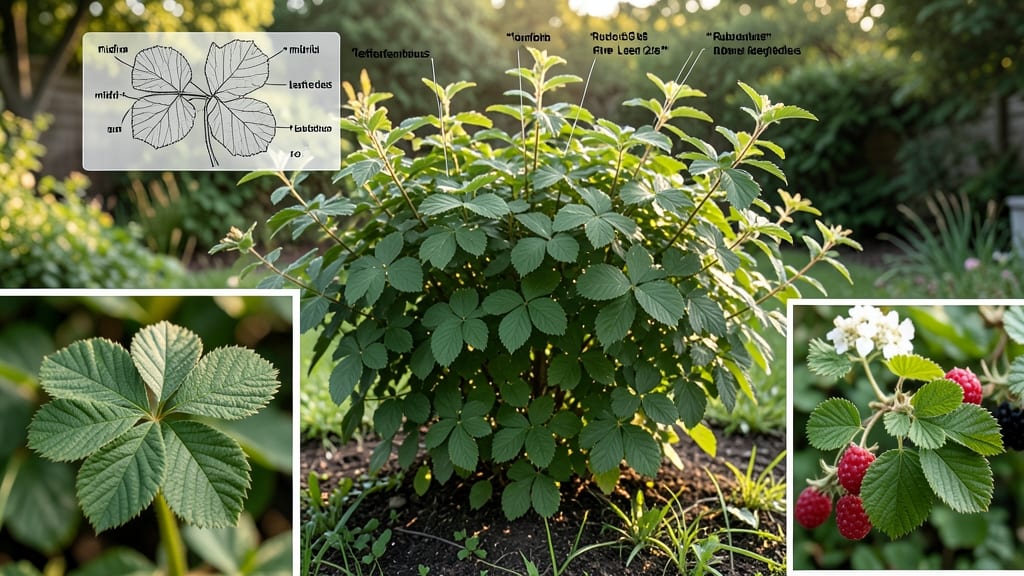
Mastering five-leaf tree identification starts with counting those distinctive palmate leaves—five leaflets radiating from a single stem like fingers. 🌿 I’ve spent years tracking these trees in my garden, and the key is noticing how the leaves unfurl in spring or how the bark develops ridges with age.
This isn’t just a quirky detail; it tells you everything about the tree’s care needs, from sunlight to soil pH.
The most common five-leaf trees include the Ginkgo biloba with its fan-shaped leaves and the Sassafras, whose mitten-shaped leaves smell like root beer when crushed. Then there’s the tropical Five-Leaf Arowana Tree, with glossy, waxy leaves that thrive in humidity.
Each has its own personality—some are hardy enough for city sidewalks, while others need greenhouse warmth.
Once you recognize the leaf pattern, you’ll know exactly how to nurture it: Ginkgos tolerate drought once established, Sassafras loves partial shade, and the Arowana Tree craves moisture.
The right ID means the difference between a thriving specimen and a sad, struggling plant. Think of it as a first step toward mastering its care routine.
Whether you’re in Zone 5 or a tropical climate, this visual guide helps you match the tree to your growing conditions. No more guesswork—just confident identification that leads to healthier plants. Let’s get those leaves under the microscope!
Root Causes of Leaf Misidentification
Understanding why five-leaf patterns can be tricky to spot starts with recognizing the biological and environmental factors that influence leaf development. Even experienced gardeners and botanists occasionally mix up similar-looking foliage. Here’s why confusion happens—and how to avoid it.
---
Some trees naturally produce five-lobed or five-leaf patterns due to their genetic makeup, but these features can vary even within the same species.
For example: - Maple trees (like Acer saccharum or Acer rubrum) often have five distinct lobes, but environmental stress can cause lobes to merge or split irregularly. - **Horse chestnut (Aesculus hippocastanum) leaves grow in opposite pairs with five to seven leaflets—but young or diseased leaves may appear underdeveloped, mimicking a "five-leaf" look when they’re not. - Mimosa (Albizia julibrissin) has feather-like compound leaves with many small leaflets, but if pruned or damaged, only five prominent leaflets might remain visible.
Actionable Tip:** 🔍 Examine the leaf attachment point (petiole) and stem structure—true five-leaf patterns (like maple) have a single central stem, while compound leaves (like mimosa) have multiple stems per leaflet.*
---
Harsh growing conditions can alter leaf shape and size, making identification harder.
Common stressors include: - Drought or Overwatering 💧: - Leaves may curl, shrink, or develop irregular lobes to conserve water. - Example: A sugar maple under drought stress might produce smaller, less distinct lobes, resembling a five-leaf pattern when it’s actually malformed. - Poor Soil Nutrients 🌱: - Nitrogen deficiency can stunt leaf growth, causing fewer, smaller leaflets (e.g., a seven-leaflet horse chestnut might look like five). - Iron or magnesium deficiencies lead to yellowing (chlorosis) between veins, masking true leaf structure. - Extreme Temperatures ❄️☀️: - Late frosts can damage emerging leaves, causing split or fused lobes in trees like **Norway maple (Acer platanoides). - Heatwaves may bleach or distort leaves, making patterns harder to distinguish.
Actionable Tip:** 🌡️ Check the tree’s overall health—healthy leaves should be vibrant, uniformly shaped, and attached to strong stems. Stress-related leaves often look brittle or discolored.*
---
Human intervention (or wildlife!) can severely alter leaf structure, leading to false five-leaf appearances: - Improper Pruning ⛏️: - Cutting too close to a bud or branch collar can stunt new growth, resulting in smaller, underdeveloped leaves with fewer lobes. - Example: A **Japanese maple (Acer palmatum) pruned aggressively might sprout five-lobed leaves where seven were originally intended. - Pest or Disease Attack 🐛: - Japanese beetles or spider mites feed on leaf tissue, causing notches or holes that can make a seven-leaflet pattern look like five. - Fungal infections (like anthracnose) can distort leaf edges, merging lobes into a single, irregular shape. - Mechanical Damage 🌪️: - Hail, strong winds, or lawnmower accidents can tear leaves, leaving only the hardiest five leaflets intact.
Actionable Tip:** 🛡️ Inspect the tree for chewed edges, black spots, or sawdust-like frass (pest droppings). Healthy leaves should be smooth and intact.
--- Some trees evolved to resemble others for survival, creating deceptive leaf patterns: - **Boxelder (Acer negundo) has compound leaves with 3–7 leaflets, but young or damaged specimens might show only five prominent leaflets, tricking observers into thinking it’s a maple. - Ash Trees (Fraxinus spp.) have opposite, compound leaves with 5–11 leaflets—but if pruned, they can mimic five-leaf patterns of other species. - Ginkgo (Ginkgo biloba) leaves are fan-shaped with a single notch, but older or diseased leaves may develop extra lobes, confusing identification.
Actionable Tip:** 📏 Measure leaf size and shape—true five-lobed maple leaves are palmate (all lobes radiate from one point), while compound leaves have multiple stems per leaflet.
--- Even with perfect trees, how we look at leaves can lead to mistakes: - Angle of View 👁️: - Leaves viewed from below may hide lobes or leaflets, making a seven-leaf pattern look like five. - Example: A horse chestnut leaf’s lower leaflets might be obscured by the upper ones when seen from above. - Seasonal Changes 🍂: - Spring flush leaves are smaller and simpler, while summer leaves develop full lobes. - Fall coloration can darken veins, making patterns harder to distinguish. - Lighting Conditions 🌙: - Low light or shadows can flatten or blur leaf details, causing lobes to merge visually.
Actionable Tip: 📸 Take a close-up photo in natural light—this removes bias from angle and seasonality, giving a clearer reference for identification.
Quick Fixes for Common Leaf Confusion
Identifying a five-leaf tree can feel like solving a puzzle—especially when similar species blur the lines. Whether you're dealing with misidentification, overpruning, or pest damage, here’s how to diagnose and fix the most common issues while keeping your tree thriving.
---
If you’re staring at a tree and thinking, "Is this really a five-leaf maple or just a lookalike?", start with these steps:
#### 📏 Step 1: Count and Compare Leaflets - Problem: You’re unsure if the leaf has five distinct leaflets (like a sugar maple) or a compound structure (e.g., boxelder with 3–9 leaflets). - Fix: - 🍃 Pull a leaf gently and count the leaflets.
True five-leaf trees (e.g., Acer saccharum) have five primary leaflets with a single terminal leaflet at the tip. - 📸 Snap a photo from multiple angles and compare it to a [leaf identification guide](https://www.ars.usda.gov/resources/leaf-key/).
Pro tip: Use the USDA Plants Database for side-by-side comparisons. - ❌ Watch out for: Boxelder (Acer negundo)—its leaves can have 3–7 leaflets, often with uneven spacing.
#### 🌳 Step 2: Check the Buds and Bark - Problem: Leaf shape alone isn’t enough; buds and bark can confirm the species. - Fix: - 🌿 Examine the buds: Five-leaf maples (like sugar maple) have opposite buds (paired at each node) and smooth, gray bark that develops ridges with age. - 🌲 Compare bark texture: Boxelder bark is rougher and more blocky, while true maples are sleeker. - 💡 Pro Tip: If the tree has samaras (helicopter seeds), it’s likely a maple—but not all maples have five leaflets!
#### 📝 Step 3: Verify with a Local Expert - Problem: Regional variations or hybrid species (e.g., Acer × freemanii) can throw you off. - Fix: - 📞 Call your local extension office or post photos in gardening forums like Reddit’s r/whatsthisplant. - 🌍 Visit a botanical garden—many have labeled trees for in-person comparison.
--- If your five-leaf tree’s structure is suffering from poor pruning or environmental stress, act fast to revive it.
#### 🌿 Step 1: Assess the Damage - Problem: Jagged cuts, excessive thinning, or dead branches can distort growth. - Fix: - 🔪 Look for: White bark (sign of deadwood), suckers (sprouts at the base), or uneven regrowth. - ⏰ Time it right: Prune in late winter or early spring (before buds swell) to avoid stressing the tree.
#### 🌱 Step 2: Correct Pruning Mistakes - Problem: Topping (cutting back to a stub) or removing too many branches weakens the tree. - Fix: - 🍃 Use the "3-cut method" for large branches: 1. 🔪 Make an undercut 6–12 inches from the branch collar.
2. 🔪 Cut above the undercut, leaving a small stub. 3. 🔪 Clean up the stub flush with the collar. - 🌳 Avoid "lion’s tailing" (cutting back to a flat top)—this invites disease. - 💡 Pro Tip: Remove no more than 25% of the canopy in one year.
#### 🌧️ Step 3: Revive Stressed Trees - Problem: Yellowing leaves, slow growth, or dieback can signal poor care. - Fix: - 💧 Water deeply (1–2 inches per week) but avoid soggy soil. - 🌱 Mulch properly: Spread 2–4 inches of mulch (wood chips or bark) 3 inches away from the trunk to retain moisture. - 🌿 Fertilize lightly: Use a balanced 10-10-10 fertilizer in early spring if growth is stunted.
--- Pests like aphids, scale, or Japanese beetles can distort leaves, making identification harder—and your tree weaker.
#### 🐜 Step 1: Identify the Culprit - Problem: Sticky leaves (aphids), chewed edges (beetles), or black sooty mold (scale) can mimic poor health. - Fix: - 🔍 Inspect leaves for: - 🟢 Tiny green/black bugs (aphids/scale). - 🟡 Ragged holes (Japanese beetles). - 🟤 Black fungus (sooty mold from sap-sucking pests). - 📸 Take close-up photos and match them to [this pest guide](https://extension.umn.edu/yard-and-garden-insects/identifying-insects).
#### 💦 Step 2: Treat Infestations - Problem: Chemical sprays can harm beneficial insects—opt for targeted solutions. - Fix: - 🚿 Blast off aphids/scale with a strong hose stream (early morning). - 🍃 Use neem oil (1 tsp per quart of water) for light infestations—reapply every 7–10 days. - 🐝 For beetles: Set up traps with pheromones (available at garden centers). - ⚠️ Avoid broad-spectrum pesticides—they kill pollinators and beneficial predators.
#### 🌡️ Step 3: Prevent Future Outbreaks - Problem: Weak trees attract pests; healthy trees resist them. - Fix: - 🌿 Keep the area clean: Remove fallen leaves/debris where pests hide. - 🌳 Space trees properly: Overcrowding stresses plants and spreads disease. - 🌧️ Water in the morning to let foliage dry, reducing fungal growth.
--- Once you’ve identified and treated issues, keep your tree happy with minimal effort.
#### 📅 Year-Round Maintenance Checklist | Season | Task | Why It Matters | |-------------|-----------------------------------|--------------------------------------------| | Spring | Prune deadwood, fertilize lightly | Encourages new growth. | | Summer | Monitor for pests, water deeply | Prevents drought stress. | | Fall | Mulch, remove fallen leaves | Protects roots from winter temp swings. | | Winter | Inspect for winter burn damage | Adjust care if branches look scorched. |
#### 🌟 Bonus: Celebrate Your Tree! - 🎨 Plant companion flowers (e.g., trilliums) underneath for a natural understory. - 📸 Document changes yearly to track growth and spot issues early. - 🍁 Share your ID success with local tree societies—they love helping others spot rare species!
--- Remember: The key to five-leaf tree identification (and care) is patience and observation. Start with the basics—count those leaflets, check the buds, and treat your tree like a long-term friend.
With these fixes, you’ll go from "Is this a maple?" to "Ah, it’s a stunning sugar maple—now how do I keep it thriving?" 🌳✨
Frequently asked questions
What are the most common trees with five-leaf patterns?
The most recognizable five-leaf trees include the sugar maple (Acer saccharum) with its classic palmate lobes, the sassafras (with mitten-shaped leaves that smell like root beer when crushed), and the Ginkgo biloba (fan-shaped leaves with a single notch). Tropical varieties like the Five-Leaf Arowana Tree (Artabotrys hexapetalus) also feature this distinctive pattern.
How can I tell if a leaf has five distinct leaflets or compound leaves?
Look at the leaf attachment point: true five-leaf patterns (like maples) have a single central stem with five lobes radiating outward. Compound leaves (like boxelder) have multiple stems per leaflet. Gently pull a leaf to check—if it separates into smaller leaflets with individual stems, it’s compound, not five-leaf.
Why do some five-leaf trees have fewer than five lobes?
Environmental stress (drought, poor soil, or extreme temperatures) can stunt leaf development, causing lobes to merge or leaves to appear underdeveloped. Check the tree’s overall health—healthy leaves should be vibrant and uniformly shaped. Young trees or new growth may also show simplified leaf patterns until fully mature.
Can I grow a five-leaf tree in my climate?
It depends! Sugar maples thrive in Zones 3-8 and tolerate cold winters, while Ginkgo biloba is hardy in Zones 4-8. Tropical varieties like the Five-Leaf Arowana Tree need Zones 10-12 with high humidity. Always check the specific species’ hardiness zone before planting—most nurseries label this information.
What’s the easiest way to confirm a tree’s identity?
Take close-up photos of the leaves (front and back), buds, and bark, then compare them to a trusted resource like the USDA Plants Database or a local botanical garden’s labeled trees. Include a ruler or coin in the photo for scale—this helps experts distinguish subtle differences in leaf size and shape.