
Container Gardens
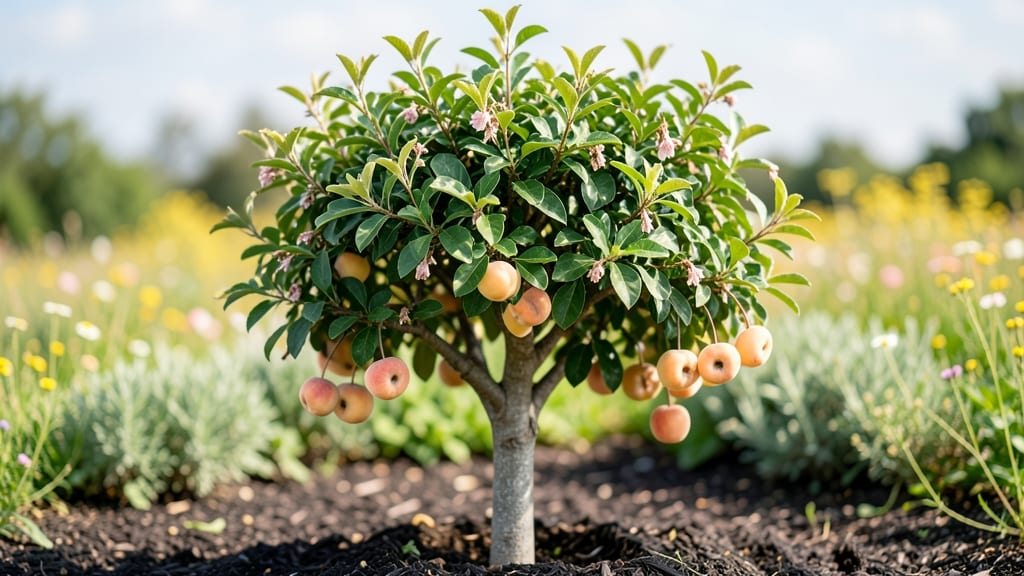
Donut peach trees grow best in USDA zones 5 through 9, where they can handle winter temperatures between -20°F and 30°F. Always verify your specific variety's cold tolerance before planting in zones 5 or 9.
Donut peach trees need consistent winter chill hours (typically 500-800 hours below 45°F) to set fruit properly, which is why zones 5-9 work best. 🌳 In colder zone 5 areas, young trees may need extra winter protection like thick mulch or tree wraps, while zone 9 gardeners should choose low-chill varieties to prevent poor fruit production.
The key is matching your local climate to the tree's dormancy requirements—this ensures strong growth and abundant harvests.
For container growing, zone 6-8 is ideal since pots offer less insulation than in-ground planting. I always recommend testing your microclimate—areas near buildings or slopes can be 5°F warmer than official zone maps suggest. This small difference can make all the difference for peach trees!
💡 In This Article
- Peach Tree Cold Hardiness Explained
- Zone-Specific Planting Tips for Donut Peach Trees
Peach tree cold hardiness explained
Peach trees rely on a biological process called dormancy to survive winter, which requires exposure to 300-800 hours of temperatures between 32-45°F—this is called the "chill requirement." Donut peach varieties typically need 500-700 chill hours, which is why zones 5-9 work best.
The tree's buds contain proteins that change structure when exposed to cold, allowing it to "reset" and prepare for spring growth. Without enough chill hours, buds may fail to open properly, leading to poor fruit set or blossom drop.
Frost damage occurs when temperatures drop below -10°F, causing ice crystals to form inside plant cells. Young donut peach trees (under 3 years old) are most vulnerable, as their bark isn't as thick as mature trees.
The bark acts like insulation—mature trees can handle -15°F to -20°F with proper care, while young trees may suffer bark splitting at -10°F. The science behind this is that water expands when it freezes, and young bark lacks the flexibility to accommodate this expansion without cracking.
Zone 5 gardeners face the biggest challenge because winter lows can reach -20°F, pushing donut peach trees to their cold tolerance limits. In contrast, zone 9's milder winters (20-30°F) require low-chill varieties (like 'Redhaven' or 'Elberta') to prevent poor fruit production.
The key difference is that zone 9's lack of sufficient chill hours forces trees into premature growth cycles, exhausting their energy reserves before summer arrives.
Donut peach trees also benefit from a phenomenon called "hardening off." As fall temperatures drop, the tree gradually increases its cold tolerance by producing protective compounds like proline and sugars in its cells.
This natural process explains why trees planted in early fall (rather than spring) often survive better—they have more time to acclimate. However, sudden temperature swings (like a warm spell followed by a hard freeze) can disrupt this process, making winter protection essential in marginal zones.
Here's what happens when chill requirements aren't met: buds may open too early, exposing tender blossoms to late frosts. The result? Missed fruit production or small, underdeveloped peaches.
This is why zone 9 gardeners should select varieties bred for low chill requirements (300-400 hours) like 'Tropic Beauty' or 'Flordagrand.' The trade-off is slightly smaller fruit, but the tree remains productive year after year.
For container growing, remember that pots offer less insulation than in-ground planting. A potted donut peach tree in zone 6 may need extra winter protection like moving it to a sheltered spot or wrapping the pot in bubble wrap.
The soil in containers freezes more quickly, which is why many growers use 50% sand in the potting mix to improve drainage and cold resistance.
Microclimates play a huge role too. A south-facing wall can create a 5-10°F warmer zone than official maps suggest, making it possible to grow donut peaches in zone 5's northern edge.
Always observe your garden's specific conditions—this small detail can mean the difference between a thriving tree and a frost-damaged one!