
Plants
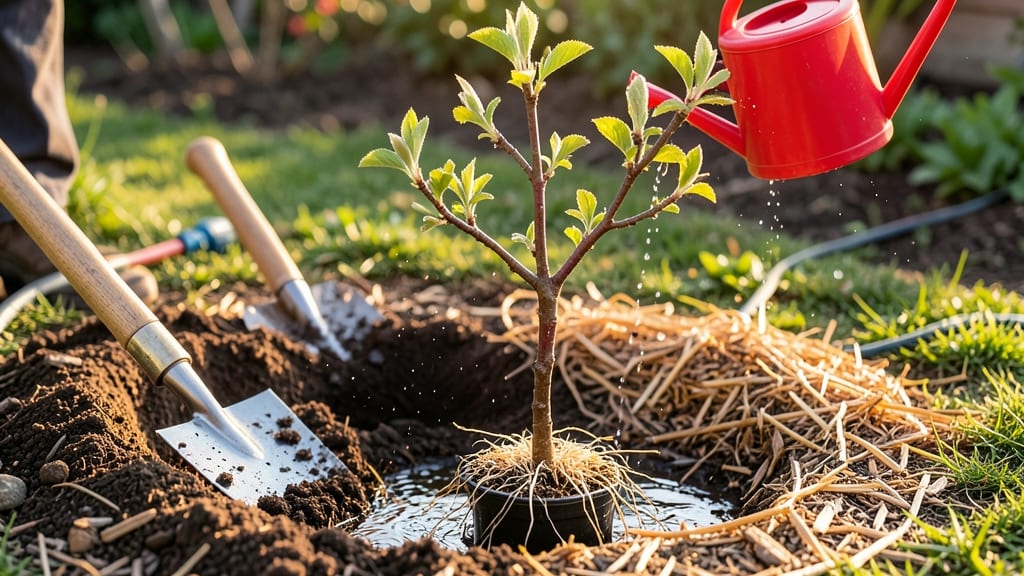
Planting a peach tree in Texas during the dormant season—late winter or early spring—sets the stage for a fruitful harvest 🍑.
If you’ve ever watched a $50 sapling wilt under a surprise frost or struggle through Texas’ brutal summer heat, you know timing is everything. The wrong window can mean lost years of growth, while the right one gives your tree the best shot at thriving in zones 8a-10a.
Here’s the breakdown: North Texas gardeners should plant between January and February, while South Texas can extend that window into early March. The key is avoiding both frost and scorching temperatures, which is why soil prep and microclimate matters just as much as the calendar.
Below, I’ll walk you through the exact months by zone, soil tests to run before planting, and how to protect young trees from Texas’ most common pitfalls—so you can skip the guesswork and get straight to a bountiful orchard.
Best months to plant a peach tree in Texas by USDA hardiness zone
Texas gardeners know timing is everything when planting peach trees. The Lone Star State's diverse USDA hardiness zones (7a-9a) create wildly different planting windows—from North Texas' chilly winters to South Texas' mild climate.
Planting at the wrong time can lead to frost damage, heat stress, or poor root establishment. Let's break down the optimal planting months by zone so you can give your peach tree the best possible start.
For most of Texas—especially zones 7a-8b—the ideal planting window is during late winter dormancy (January-February). This timing allows roots to establish before the spring growing season begins. However, South Texas (zone 9a) has a longer frost-free period, making early spring (March) a safer bet.
Always check your last frost date (typically February 15 for North Texas, March 15 for Central/South Texas) and plant 4-6 weeks before to avoid early-season cold snaps.
Here's the key: Soil temperatures must reach at least 60°F (15°C) for successful root growth. In North Texas, this usually happens by mid-February, while South Texas soils warm earlier.
Planting too early (December) risks frost damage to tender roots, while planting too late (April+) exposes young trees to summer heat stress before they're established.
🌱
In North Texas (zone 7a), where winters can drop below 20°F (-7°C), planting in January or early February gives roots time to establish before the spring growing season. Choose dormant bare-root trees from local nurseries—they're more resilient to cold.
For Central Texas (zones 7b-8a), you have a bit more flexibility, with March being a safe backup if soil temperatures warm quickly. Always check your microclimate—valleys and low areas frost earlier than hills.
South Texas gardeners in zone 9a have the easiest time, with a March-April window that avoids frost entirely. However, avoid planting in summer (May-August)—the intense heat and limited rainfall stress young trees.
Instead, opt for container growing if you must plant outside the ideal window, but be prepared for slower establishment.
Pro tip: Test your soil temperature with a soil thermometer before planting. If it's below 60°F (15°C), wait another week. Also, avoid planting in clay-heavy soils without amending with compost or sand—poor drainage is a common killer of young peach trees in Texas.
For container planting, use a fast-draining potting mix and move pots to a sheltered location if frost is forecasted.
Remember, dwarf varieties (like 'Redhaven' or 'Elberta') establish faster than standard trees, making them ideal for Texas' unpredictable climate. If you're in zone 8b or warmer, consider low-chill varieties like 'Bonanza' or 'Reliance', which thrive with Texas' shorter winter chill periods.
These varieties fruit reliably even with 300-500 hours of chill, compared to traditional varieties needing 800+ hours.
🌳
Finally, mulch heavily around your newly planted peach tree with wood chips or straw to retain moisture and regulate soil temperature. In North Texas, add an extra layer of mulch in December to protect roots from winter cold snaps.
And always water deeply after planting—15-20 gallons for young trees—to encourage root growth into the surrounding soil. With the right timing and care, your peach tree will reward you with juicy, homegrown fruit in just a few years!
Signs your Texas soil and climate are ready for peach tree planting
Texas gardeners know that planting a peach tree at the wrong time can turn your dream orchard into a sad statistic. The key to success lies in reading your soil temperature, checking moisture levels, and confirming your microclimate is frost-free.
These signs ensure your young tree gets the perfect start—no guessing required.
First, your soil temperature must reach at least 60°F at a depth of 4 inches. Use a soil thermometer to check—cold soil shocks roots and stunts growth. In North Texas, this typically happens by mid-February, while South Texas soils warm up earlier, around January.
Next, test your soil moisture by digging a small hole. The soil should feel damp but not soggy—like a wrung-out sponge. If it's bone-dry, water thoroughly 24 hours before planting. Peach trees hate waterlogged roots, so poor drainage is a dealbreaker in Texas' heavy clay soils.
- ✅ Soil Temp: 60°F+ at 4" depth (use a thermometer)
- ✅ Frost-Free: Confirm 10+ days without frost risk (check local almanac)
- ✅ Moisture: Soil should be damp but not soggy (test with a trowel)
- ✅ Sunlight: Full sun (6+ hours/day) in final planting spot
- ✅ pH Level: 6.0-7.0 (test kit required; amend if needed)
Don’t overlook your microclimate. Even in Texas, late frosts can sneak in—especially in North Texas valleys. Use the National Weather Service frost calendar or local Cooperative Extension Service data to confirm your area’s last frost date. Plant 4-6 weeks before this date to give roots time to establish.
Before digging, check your drainage by filling a hole with water. If it doesn’t drain within 6 hours, amend with compost or sand to improve aeration. Peach trees despise root rot, and Texas clay holds moisture like a sponge. A slight slope in your planting area helps too.
Finally, scout your yard for pest hotspots. Look for signs of peach tree borers or aphids on nearby trees. If you spot damage, treat with neem oil before planting. Healthy soil + pest-free zone = happy peach tree. Start your checklist now—your future harvest depends on it!