
Light Requirements
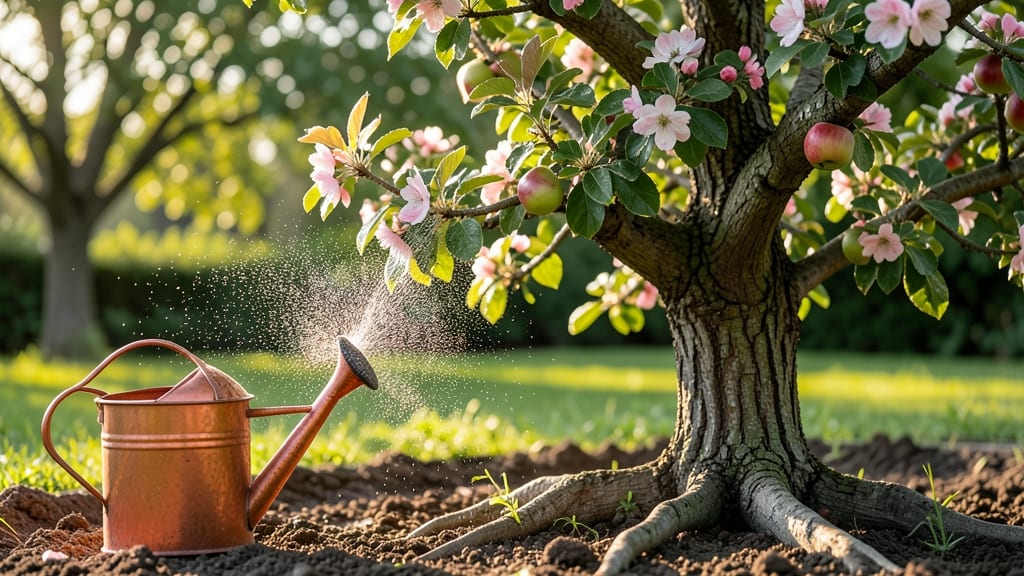
Overwatering or underwatering your 🍎 can mean the difference between a bountiful harvest and a struggling plant—so how much water does it really need?
Young trees need more frequent watering to establish roots, while mature trees can handle drought better once they’re past their first few years. The key is deep watering—soaking the roots 12-18 inches down rather than light, frequent sprinkles.
In this guide, I’ll break down the best watering schedule by season, how to tell if your tree is thirsty (or drowning), and the simple tricks to keep your soil just right—no guesswork, just healthy growth.
How much water does an apple tree actually need?
Apple trees aren't just high-maintenance divas—they're sensitive water drinkers that need the right balance to thrive. Too little, and your tree wilts or drops fruit; too much, and you risk root rot or fungal diseases.
The key? Understanding stage-specific water needs and seasonal adjustments. Unlike drought-tolerant succulents, apple trees demand consistent moisture, especially during critical growth phases like flowering and fruiting.
Most gardeners assume apple trees need a lot of water year-round, but that’s a myth. Young trees guzzle water like teenagers at a soda fountain, while mature trees sip like wise elders. The real secret lies in deep, infrequent watering that encourages strong root development.
Think of it like training for a marathon—not sprinting every day, but building endurance for the long haul. Let’s break down exactly how much water your apple tree needs at each life stage.
| Growth Stage | Water Needs | Frequency | Soil Moisture Target | Key Tips |
|---|---|---|---|---|
| Seedling (0-2 years) | High (15-20 gallons) | 2-3x per week | Keep top 6" moist | Use drip irrigation; avoid wetting leaves |
| Young Tree (3-5 years) | Medium (20-30 gallons) | Weekly (deep soak) | Top 12" should stay damp | Mulch 3" deep to retain moisture |
| Mature Tree (6+ years) | Low-Medium (30-50 gallons) | Every 10-14 days | Top 18" should stay moist | Prioritize water during drought or fruiting |
| Seasonal Adjustments | Spring: High | Summer: Medium-High | Fall: Low | Winter: Minimal | Varies by climate | Monitor rainfall; supplement as needed | Avoid watering before frost |
For seedlings (0-2 years), the stakes are highest. These young trees have tiny root systems struggling to reach deep water sources. I’ve seen seedlings wilt dramatically within days if deprived of water, but overwatering can suffocate their roots.
Aim for 15-20 gallons per watering, applied slowly to let the soil absorb moisture. Use a moisture meter to check—soil should stay damp in the top 6 inches but never soggy. Pro tip: Water in the morning to reduce evaporation and fungal risks.
When your apple tree hits the young tree stage (3-5 years), it’s like a teenager—still growing fast but developing more independence. Here, deep watering becomes critical. A weekly deep soak (20-30 gallons) encourages roots to grow deeper, making the tree more drought-resistant later.
I’ve found that mulching with 3 inches of organic matter (wood chips or straw) helps retain moisture and regulates soil temperature. This stage is also when your tree starts flowering—consistent watering ensures those blossoms turn into fruit, not just leaves.
Once your apple tree matures (6+ years), its water needs shift dramatically. Mature trees have vast root systems that can access water from deeper soil layers, but they still need 30-50 gallons every 10-14 days during dry spells. The key is deep watering—not frequent shallow drinks.
Think of it like giving your tree a long, refreshing shower instead of a quick sprinkle. In my own orchard, I’ve noticed mature trees handle drought better than young ones, but they’ll still produce smaller, lower-quality fruit if stressed. Always prioritize water during fruit development (late spring to summer).
Seasonal changes are just as critical as age. In spring, when your tree is bursting with new growth, water needs spike to high. This is when roots are expanding, and blossoms need hydration to pollinate.
I’ve seen trees drop half their blossoms in dry springs—heartbreaking, but preventable with consistent watering. Summer demands medium-high watering, especially in drought-prone areas. Fall is when you taper off, letting the tree prepare for dormancy.
And in winter, unless you’re in a frost-free zone, water sparingly—just enough to prevent desiccation.
One common mistake I see is watering based on a schedule, not the tree’s actual needs. Always check soil moisture before watering. Stick your finger 6 inches deep—if it’s dry, it’s time to water. If it’s still moist, hold off.
Another tip: Avoid wetting the leaves when watering, as this promotes fungal diseases like apple scab. Use drip irrigation or soaker hoses to deliver water directly to the root zone. For container-grown apple trees, expect to water every 3-4 days since pots dry out faster.
So, does an apple tree need a
Signs your apple tree is overwatered or underwatered (and how to fix it)
Your apple tree might look healthy on the surface, but watering mistakes can silently damage its roots. Overwatering smothers roots by cutting off oxygen, while underwatering stresses the tree during critical growth stages. I’ll show you how to spot these issues early and take corrective action before it’s too late.
Start by checking the soil moisture 2-3 inches below the surface. Stick your finger in—if it’s soggy, you’re overwatering. If it’s bone-dry, your tree is thirsty. Both extremes lead to leaf yellowing, drooping branches, and poor fruit production. Let’s break down the key differences and solutions.
Does Apple Tree Need a Lot of Water?
Pros of Proper Watering
- Deep root growth for stability
- Better fruit quality and size
- Drought resistance once established
- Healthy foliage with vibrant green leaves
Cons of Over/Underwatering
- Root rot from excess moisture
- Leaf scorch from drought stress
- Poor flowering and fruit drop
- Weak wood prone to breakage
For overwatered apple trees, watch for mushy brown roots and a foul smell when you dig near the trunk. Yellow leaves that stay yellow even after watering are another red flag.
To fix it, reduce watering immediately and improve drainage by adding compost or sand to heavy clay soil. A drip irrigation system helps deliver water slowly at the root zone.
Underwatered trees show crispy brown leaf edges and premature leaf drop. The bark may also crack slightly as the tree struggles to transport water. Increase watering gradually—deep soaks every 5-7 days in summer—while monitoring the top 6 inches of soil.
If the ground feels dry, it’s time to water again. Mulching with wood chips retains moisture and regulates soil temperature.
Don’t wait until your tree shows severe symptoms—preventative care is key. Test your soil’s drainage by pouring water into a hole near the tree. If it drains in less than 2 hours, your soil is likely fine.
If it pools, amend it with organic matter to create air pockets. A healthy root system means a productive apple tree for years to come.
🍏