
How To
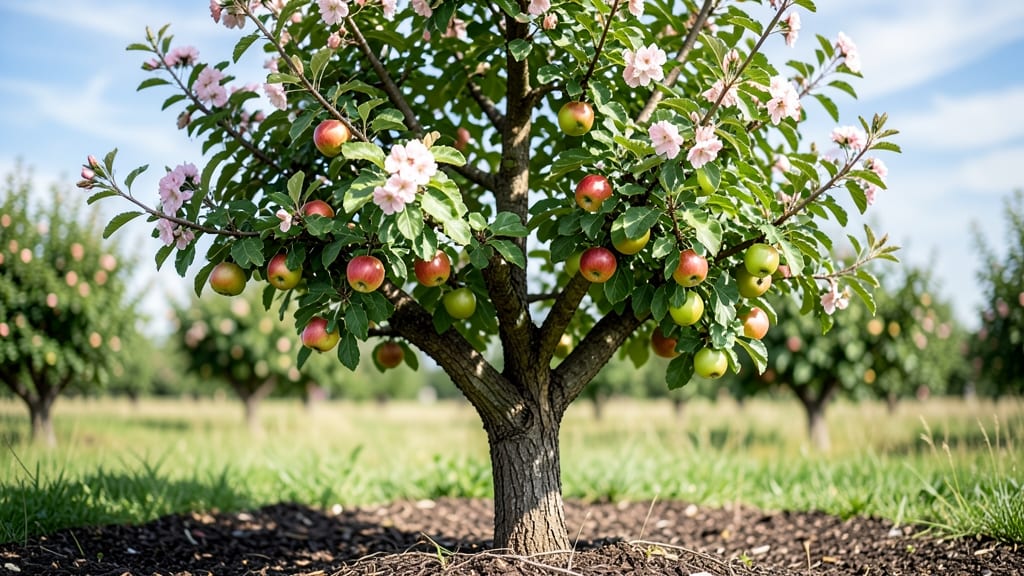
How tall an apple tree grows depends on the variety and rootstock, with heights ranging from 8 to 30 feet, so choosing the right size for your space is the first step to success.
Picture this: a dwarf apple tree 🍎 thriving in a backyard planter, while a standard variety stretches toward the sky like a skyscraper in your neighbor’s orchard. The difference isn’t just in aesthetics—it shapes how much space you need, how often you prune, and even how many apples you’ll harvest.
If you’re working with limited space, dwarf varieties stay between 8 and 12 feet, while semi-dwarfs reach 12 to 18 feet—ideal for suburban yards. But standard apple trees? Those can hit 20 to 30 feet, needing room to breathe and careful pruning to keep them manageable.
Below, I’ll break down the exact height ranges for popular varieties, spacing tips to avoid overcrowding, and pruning tricks to control growth—so you can pick the perfect apple tree for your garden, no matter how big (or small) your space is.


Apple tree height by variety: dwarf to standard mature sizes
Choosing the right apple tree starts with understanding mature height ranges. Whether you have a tiny urban patio or a sprawling rural property, there’s an apple tree variety that fits—from dwarf trees under 10 feet to standard varieties reaching 30 feet.
The key difference lies in the rootstock used during grafting, which controls both height and growth rate.
Dwarf apple trees are ideal for containers, small backyards, or even patios. They mature between 6 to 12 feet and produce fruit just 2-4 years after planting. Semi-dwarf varieties strike a balance, growing 12 to 18 feet tall—perfect for medium-sized gardens.
Standard apple trees, the traditional choice, can tower 20 to 30 feet and require ample space for their extensive root systems and canopy.
Before planting, check your space requirements and local climate. Most apple trees thrive in USDA Zones 4-8 with full sun exposure. Dwarf varieties need 6-8 hours of sunlight daily, while larger trees benefit from 8+ hours to maximize fruit production.
Soil pH should be slightly acidic (6.0 to 6.5) for optimal nutrient uptake.
Here’s a quick comparison of mature heights and ideal spacing for common apple tree varieties:
For dwarf apple trees, popular varieties like 'Columnar' or 'Spindle' grow vertically like a shrub, making them perfect for tight spaces. These trees often produce fruit along their entire length, unlike standard varieties that bear fruit primarily on upper branches.
Semi-dwarf trees, such as 'Honeycrisp' or 'Pink Lady,' offer a compromise—faster fruiting than standards but with manageable height.
If you’re planting a standard apple tree, consider its long-term impact. Varieties like 'Golden Delicious' or 'Jonathan' can develop sprawling canopies, requiring regular pruning to maintain shape and health.
Always plant standard trees at least 25 feet from structures like houses or fences to avoid shade issues and root competition.
Another critical factor is rootstock compatibility. Dwarf rootstocks (e.g., M.9) restrict growth, while semi-dwarf rootstocks (e.g., MM.106) allow moderate height. Standard trees often use seedling rootstock, which encourages vigorous growth.
Choose rootstock based on your climate and soil type—some rootstocks perform better in heavy clay, while others thrive in sandy soils.
Pro tip: Test your soil before planting. Apple trees prefer well-draining soil rich in organic matter. Amend heavy clay with compost or sand to improve aeration. For container-grown dwarf varieties, use a high-quality potting mix with good drainage to prevent root rot.
Remember, height isn’t the only consideration. Dwarf trees may produce smaller yields but fruit earlier, while standard trees offer higher production but take longer to mature. Balance your goals—whether it’s convenience, yield, or aesthetic appeal—with the space and care you can commit to long-term.
How to control apple tree height through pruning & care
Keeping your apple tree at a manageable height starts with understanding its natural growth habits and when to intervene. Pruning isn’t just about shaping—it’s a critical tool to control height, improve fruit production, and maintain tree health.
Whether you have a dwarf variety in a container or a standard tree in your backyard, timing and technique make all the difference.
For dwarf apple trees, pruning encourages compact growth and prevents overcrowding, while standard varieties need more aggressive pruning to keep them from becoming unmanageable giants. The key is to prune at the right time—typically in late winter or early spring—when the tree is dormant but before new growth begins.
Here’s how to manage your apple tree’s height step by step, from pruning techniques to seasonal care:
Prune dwarf trees in late winter (just before buds swell) or early spring. For standard varieties, prune in late winter or summer to control vertical growth.
Use sharp pruners for small branches and a pruning saw for thicker limbs. Sterilize tools with rubbing alcohol to prevent disease spread.
Cut out vertical water sprouts (fast-growing shoots) and suckers (shoots from the base) to redirect energy to fruit production.
Remove crossing branches and those growing inward to improve airflow and sunlight penetration. Aim for an open-center shape.
Cut the top of tall branches by 1/3 to 1/2 their length to encourage lateral growth. This reduces height while promoting a bushier canopy.
After pruning, mulch the base with 2-3 inches of organic mulch to retain moisture and fertilize in early spring with a balanced 10-10-10 formula.
For dwarf apple trees, regular pruning every 1-2 years keeps them compact and productive. If you notice new growth exceeding your desired height, prune again in summer to slow vertical expansion. Standard trees may need more aggressive pruning every 2-3 years, especially if they’re reaching 20+ feet.
Remember, patience is key. Apple trees respond best to gradual pruning—never remove more than 25% of the canopy in a single session. With consistent care, you’ll enjoy a well-managed tree that fits your space and yields delicious fruit for years to come. 🌳