
Pruning
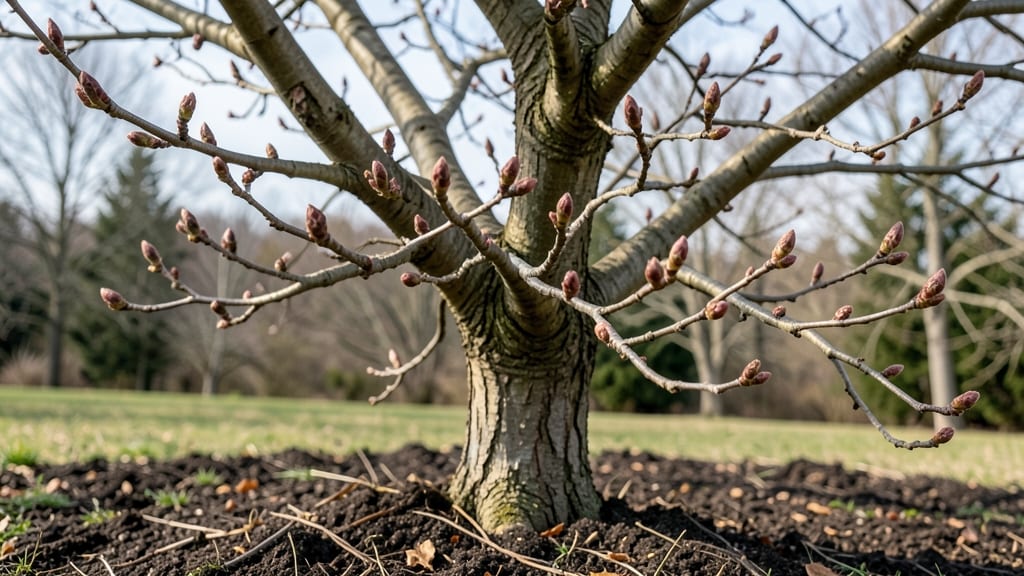
When your tree refuses to bloom despite last year's promise, dead buds are the culprit—and the fix starts with your pruners. 🌿 I’ve revived more than a few stubborn branches by understanding why those buds wither before they open, whether it’s winter’s cruel freeze, hidden pests feasting underground, or soil too dry to support new growth.
The first step is diagnosis: peel back bark near dead buds to spot telltale signs—hollow tunnels mean borers, sticky residue signals scale, while mushy tissue screams fungal rot.
Once you know the enemy, you can prune strategically, removing only the damaged branches (never more than 25% of the canopy at once) to avoid shocking the tree into further decline.
What you’ll end up with is a tree that pushes fresh, vibrant buds next season—thicker foliage, more flowers, and stronger branches that can handle stress.
The key is timing: prune in late winter or early spring before new growth starts, and always sterilize your tools to prevent spreading disease.
This method works for fruit trees, ornamentals, and even young shade trees struggling to establish. The secret? Patience and precision—no drastic cuts, just targeted care to coax life back into dormant wood. Let’s get those buds blooming again.
Root Causes Behind Dormant Buds
When your tree’s buds fail to bloom or sprout—leaving behind dead tree buds—it’s rarely a random act of nature. Instead, these signs point to underlying stress or damage that disrupts the tree’s growth cycle.
Understanding the why behind dormant or dead buds is the first step to reviving your tree. Below, we break down the most common culprits, backed by science, so you can take targeted action.
Bud development is highly sensitive to temperature extremes. If buds form too early in late winter or early spring—only to be hit by a sudden frost—freeze damage can occur. The cells inside the bud may rupture or desiccate, killing them before they even have a chance to open.
This is especially common in:
- Late-winter bloomers (e.g., cherry, peach, or crabapple trees), which rely on a period of chill hours followed by warm weather.
- Young, newly planted trees with less cold-hardiness.
- Urban trees exposed to "heat islands" that warm up faster than rural areas, tricking buds into premature growth.
💡 Pro Tip: Monitor your local frost forecasts and consider delayed pruning in late winter if your region is prone to late freezes. If buds are already damaged, they won’t recover—so focus on protecting healthy buds by wrapping young trees in burlap or using anti-desiccant sprays in winter.
Bud health hinges on proper hydration. Both drought stress and overwatering can starve buds of the nutrients and moisture they need to develop. Here’s how:
| Cause | Effect on Buds | Signs to Watch For |
|---|---|---|
| Underwatering | Limits nutrient transport, causing buds to shrivel or dry out. | Wilting leaves, cracked soil, buds that feel leathery or hollow when pressed. |
| Overwatering | Leads to anaerobic soil, suffocating roots and preventing nutrient uptake. | Yellowing leaves, soggy soil, fungal growth (e.g., root rot), buds that appear mushy or discolored. |
| Poor drainage | Traps excess moisture, causing bud rot or fungal infections. | Stunted growth, buds covered in black mold or oozing sap. |
🔥 Actionable Fix: Test your soil’s moisture by sticking your finger 2–3 inches deep—if it’s dry, water deeply but infrequently. For overwatering, improve drainage with organic mulch (3–4 inches thick) or amend clay soil with compost or perlite. If fungal infections are present, apply a copper-based fungicide as a preventive measure.
Not all dead buds are a result of environmental factors—some are silent victims of pests or pathogens. Here’s how they strike:
- 🐜 Bud Mites & Aphids: Tiny pests that feed on bud tissue, causing them to distort, blacken, or drop prematurely. Common in fruit trees like apples and pears.
- 🍄 Fungal Infections (e.g., Botrytis blight or Anthracnose): Thrives in wet conditions, creating gray mold or sunken, oozing lesions on buds.
- 🦟 Scale Insects: Sap-sucking pests that weaken buds by draining nutrients, leading to stunted or dead growth.
- 🐛 Borers (e.g., Peach Tree Borer): Larvae tunnel into branches, disrupting the tree’s vascular system and killing buds downstream.
👨🔬 How to Diagnose:
- Inspect buds with a hand lens—look for tiny webs, sticky residue (honeydew), or chewed edges.
- Scrape a bud gently—if you find black sooty mold (a sign of aphids) or white fungal spores, you’ve found your culprit.
- Check the base of the tree for sawdust-like frass (borer droppings) or oozing sap.
✨ Prevention & Treatment:
- Apply dormant oil in late winter to smother overwintering pests.
- Use neem oil or insecticidal soap for aphids/mites (spray in early spring before buds swell).
- Prune infested branches 6–12 inches below the damage to remove fungal/borer sources.
- Improve air circulation by thinning dense foliage to reduce humidity (fungi love damp conditions).
A tree’s buds are like tiny growth factories, and they need the right NPK (nitrogen, phosphorus, potassium) mix to thrive. Deficiencies or imbalances can halt bud development entirely.
| Deficiency | Effect on Buds | Visual Clues |
|---|---|---|
| Nitrogen (N) | Stunts cell growth, leading to small, sparse buds. | Pale yellow leaves, slow spring growth. |
| Phosphorus (P) | Delays flowering and bud formation. | Purple-tinged leaves, dark green but leathery buds. |
| Potassium (K) | Weakens bud resilience to stress (e.g., frost, disease). | Yellow leaf edges ("scorch"), buds that blacken or drop easily. |
| Magnesium (Mg) | Disrupts photosynthesis, causing buds to fail to swell. | Yellow patches between leaf veins (interveinal chlorosis). |
💪 How to Fix It:
- Test your soil (use a home kit or send a sample to a lab for precision).
- Apply a balanced fertilizer (e.g., 10-10-10) in early spring, or use slow-release
Reviving dormant branches step-by-step
Reviving branches with dead or dormant buds isn’t always straightforward, but with the right approach, your tree can bounce back to health. Let’s break down practical solutions based on the root cause, so you can take action without guesswork.
---
If fungal infections, bacterial blight, or pests like borers are to blame, early intervention is key. Start by removing infected or infested branches entirely—don’t hesitate to cut them back to healthy wood (about 6–12 inches below the damage). Here’s how:
1. 🔪 Sanitize Your Tools - Use a 10% bleach solution (1 part bleach to 9 parts water) or rubbing alcohol to clean pruners between cuts. This prevents spreading pathogens.
2. 🌡️ Apply Fungicide or Insecticide - For fungal issues (e.g., anthracnose, powdery mildew), spray a copper-based fungicide or neem oil solution on remaining buds and surrounding foliage. - For pests, use systemic insecticides (like imidacloprid) or horticultural oil to smother eggs and larvae.
3. ⏰ Monitor and Repeat - Reapply treatments every 2–4 weeks during active growth (spring/summer). Keep an eye out for new signs of stress.
💡 Pro Tip: If the tree is young or weak, avoid heavy pruning—focus on removing only the most affected branches to reduce stress.
---
Cold snaps can shock buds into dormancy, but they’re often still viable. Here’s how to encourage regrowth:
1. 🌿 Prune Strategically in Early Spring - Wait until new growth appears (usually late March–April) before cutting. Dead buds may still produce leaves if the underlying tissue is alive. - Make cuts just above a healthy bud (look for plump, brown, or slightly swollen buds—these are often still alive).
2. 💧 Hydrate Deeply - Water the tree’s root zone thoroughly (1–2 inches per week) to help it recover. Mulch with 2–4 inches of organic matter (wood chips, straw) to retain moisture and insulate roots.
3. ☀️ Provide Temporary Shelter (If Needed) - For young trees or tender species (e.g., fruit trees, azaleas), wrap the trunk in burlap or use a tree guard to protect against late frosts.
✨ Quick Fix: If buds are blackened but still firm, they might recover. Avoid pruning until you’re sure—they could still leaf out!
---
Too much sun (especially after winter) can scorch buds, turning them crispy or brown. Here’s how to nurse them back:
1. 🌳 Provide Shade Gradually - Use shade cloth (30–50%) or a lightweight tarp to protect the tree for 2–4 weeks while new buds develop. - For large trees, plant fast-growing shade trees (e.g., willows, silver maples) nearby to break harsh sunlight.
2. 🍃 Boost Soil Moisture - Dry soil worsens sun damage. Deep-water the tree weekly and add compost or peat moss to improve water retention.
3. 🎯 Avoid Over-Fertilizing - Fertilizer burns can stress already-damaged trees. Wait until new growth appears before applying a balanced, slow-release fertilizer (10-10-10).
💡 Pro Tip: If buds are only on one side of the tree, the issue might be uneven sunlight. Prune nearby structures or relocate the tree if possible.
---
Once you’ve revived your tree, keep it thriving with these long-term strategies:
| Cause | Prevention Tip | |--------------------------|------------------------------------------------------------------------------------| | Disease/Pests | Prune in dry weather (avoid wet conditions that spread spores). | | Cold/Frost Damage | Plant cold-hardy species for your zone (check USDA Hardiness Map). | | Sunburn | Mulch heavily in winter to protect roots and buds from temperature swings. | | Poor Nutrition | Test soil annually and amend with organic matter (compost, worm castings).| | Over-Pruning | Never remove more than 25% of foliage in one season. |
🌟 Bonus: For fruit trees, apply dormant oil spray in late winter to smother overwintering pests before buds swell.
--- Final Note: Patience is key—some trees take 1–2 seasons to fully recover. If buds still fail to leaf out after a year, consult a certified arborist to rule out deeper issues like root rot or systemic disease.
Frequently asked questions
Why do some tree buds stay dormant while others die completely?
Dormant buds often survive because their cells are in a protective state, while dead buds have suffered irreversible damage—like frost cracking or fungal invasion. Check for firmness: press gently—if it feels mushy or hollow, it’s dead; if it’s still firm, it may just need the right conditions (like proper hydration or warmth) to wake up.
Can I prune dead buds off now, or should I wait?
Prune dead buds in late winter or early spring (before new growth starts) to avoid shocking the tree. Never cut more than 25% of the canopy at once. If buds are blackened but still firm, wait until late spring—they might leaf out! Always sterilize your tools with rubbing alcohol to prevent disease spread.
How do I tell if dead buds are from pests or disease?
Look for these clues: Pests leave tiny webs (mites), sticky residue (aphids), or sawdust-like frass (borers). Disease shows as black mold, oozing sap, or sunken lesions. Use a hand lens to inspect buds—if you see white fungal spores or chewed edges, that’s your culprit.
Will fertilizing help dead buds come back to life?
Not directly—fertilizer won’t revive dead tissue, but it can prevent future issues. Test your soil first! If buds are dead from frost or pests, focus on removing damage and improving soil health with compost. Apply a balanced fertilizer (10-10-10) only after new growth appears in spring.
My tree has dead buds every year—what’s the long-term fix?
Start with preventive care: mulch heavily (3–4 inches), water deeply but infrequently, and prune in dry weather to avoid spreading disease. For repeat offenders, consider dormant oil sprays in winter and soil testing to rule out nutrient deficiencies. If the problem persists, consult an arborist—it could be a deeper issue like root rot.