
Diseases
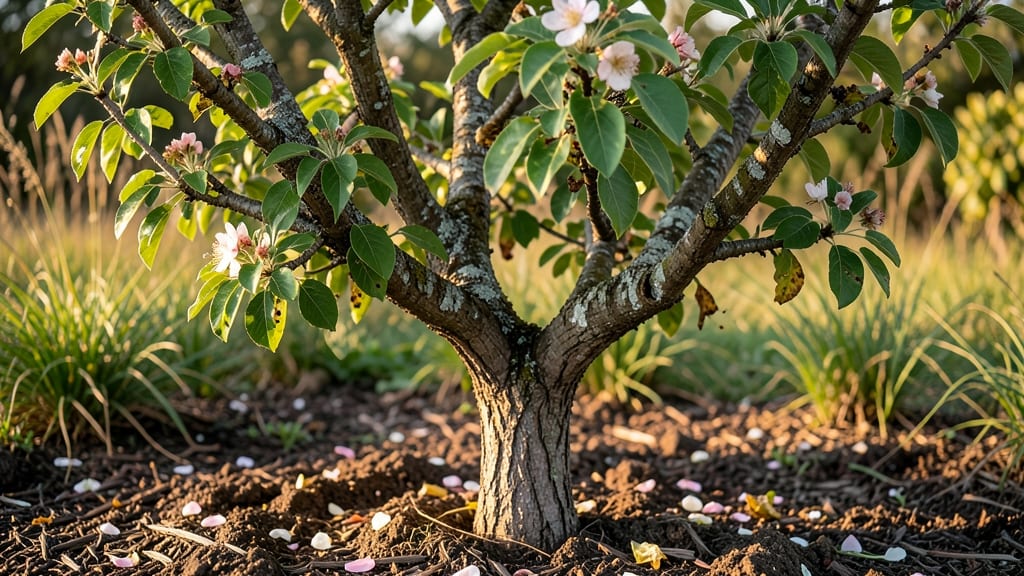
Peach tree diseases on leaves don’t have to mean the end of your harvest. 🌿 I’ve watched my own trees go from struggling to thriving just by spotting the right symptoms early—before they spiral into bigger problems.
The key is knowing what to look for: brown spots, curled edges, or yellowing that won’t fade, and acting fast before the fungus or bacteria take over.
Most leaf issues start with fungal infections like brown rot or leaf spot, or bacterial spots that look like greasy, water-soaked marks. Environmental stress—like drought or poor drainage—can mimic diseases, so check your tree’s care routine first.
Prune infected branches immediately (sterilize your tools!) and thin the canopy to improve airflow, which cuts down on humidity where pathogens love to grow.
Once you’ve identified the problem, organic remedies like copper fungicide or neem oil spray work wonders for early-stage infections. For bacterial spots, remove all fallen leaves and fruit from the ground—those are breeding grounds.
A 3-inch layer of mulch keeps roots healthy and reduces soil-borne diseases, while consistent watering at the base (not overhead) prevents splash-up infections.
Prevention is your best tool: spray trees with baking soda solution (1 tbsp per gallon of water) in early spring, and monitor for pests like aphids that weaken trees.
Healthy trees resist disease better, so feed with balanced fertilizer in late winter and watch for new growth—it’s your sign the tree is fighting back. Early action keeps your peach tree productive for years.
Root Causes Of Leaf Trouble
Peach tree leaves don’t just turn sad or spotty by accident—there’s always a scientific reason behind the distress. Understanding these root causes helps you diagnose problems faster and take action before they spread. Let’s break down the why behind common peach tree leaf diseases, from fungal invaders to environmental stressors.
---
Fungi thrive in warm, humid conditions and are the most frequent culprits behind peach tree leaf diseases. Here’s how they strike:
- Pathogen Entry Points: Fungal spores (like those causing peach leaf curl or brown rot) land on leaves, often through rain splatter, wind, or contaminated tools. Once settled, they germinate when moisture lingers—think of them as tiny, invisible squatters waiting for the right weather to move in.
- Environmental Triggers:
- Spring rains: Ideal for spores to germinate and infect young, tender leaves.
- Poor air circulation: Dense foliage or overcrowded trees trap humidity, giving fungi a cozy breeding ground.
- Old leaf debris: Leaves infected the previous season harbor spores, ready to reinfect when conditions are right.
- How It Shows Up: Leaves may develop puckered, curled edges (leaf curl), dark spots with fuzzy edges (brown rot), or yellow patches (anthracnose). Fungi often target new growth first because it’s softer and easier to penetrate.
---
Peach trees are tough, but they’re not built for dramatic weather swings. When conditions go from too hot, too cold, or too wet, leaves react with visible distress:
- Heat Stress:
Symptom
Why It Happens
Brown, crispy edges
High temperatures (>90°F) cause transpiration stress, where leaves lose more water than roots can absorb, leading to dehydration.
Bleached or sunburned patches
Intense sunlight without gradual acclimation (sun scald) damages chlorophyll, turning leaves white or gray.
- Cold Damage:
- Frost bite: Leaves blacken or develop water-soaked spots when temperatures drop below freezing, disrupting cell membranes.
- Winter desiccation: Dry winter winds + cold temps cause leaves to lose moisture faster than they can retain it.
- Overwatering or Flooding:
Too much water drowns roots, cutting off oxygen and nutrients. Leaves turn yellow (chlorosis) or develop black, mushy spots as cells suffocate from lack of airflow.
---
Pests don’t just eat leaves—they inject toxins, spread diseases, or disrupt nutrient flow, making trees vulnerable to secondary infections. Common offenders include:
- Sap-Sucking Insects (Aphids, Scale, Spider Mites):
- They pierce leaf cells to feed, injecting saliva that triggers stunted growth, curling, or sticky honeydew (a magnet for sooty mold fungi).
- Heavy infestations cause leaf drop as the tree conserves energy.
- Leaf-Chewing Pests (Japanese Beetles, Tent Caterpillars):
These pests physically destroy leaf tissue, leaving behind notched edges, skeletonized leaves, or frass (insect poop). The more damage, the less the tree can photosynthesize, weakening it for fungal attacks.
- Bacterial or Viral Hitchhikers:
Some pests (like peach tree borers) carry bacterial wilt or viruses (e.g., peach mosaic virus) that distort leaves, create ring spots, or stunt new growth.
---
Leaves are the tree’s report cards—their color and shape scream whether they’re getting the right nutrients or too much of a bad thing.
- Macronutrient Deficiencies:
Nutrient
Leaf Symptom
Why It Happens
Nitrogen (N)
Pale yellow leaves (chlorosis) starting at the tips
Nitrogen is crucial for chlorophyll. Poor soil or over-pruning depletes it.
Potassium (K)
Brown, dead patches along leaf edges ("scorch")
Potassium regulates water and disease resistance. Dry spells or sandy soil wash it away.
Magnesium (Mg)
Interveinal yellowing (veins stay green)
Magnesium is in chlorophyll. Compacted or acidic soil locks it out.
- Toxicities:
- Too much boron or manganese: Causes brown, crinkled leaves or stunted growth (common in alkaline soils).
- Herbicide drift: Leaves develop bleached streaks or distorted shapes from systemic damage.
- pH Imbalance:
Soil pH < 6.0 (too acidic) or > 7.5 (too alkaline) blocks nutrient uptake. For example, iron deficiency (yellow leaves) is common in alkaline soils because iron becomes unavailable.
--- A stressed tree is an open invitation for diseases. Common human errors include:
- Over-Pruning:
Cutting too many branches in one go removes food-producing leaves, starving the tree. It also exposes wounds to fungal spores.
- Wrong Pruning Time:
Trimming during wet or cold seasons slows wound healing, making trees susceptible to bacterial canker or silver leaf fungus.
- Compaction or Root Damage:
Heavy foot traffic, construction, or girdling roots strangle the tree’s nutrient flow, leading to yellowing leaves (chlorosis) or premature leaf drop.
--- Many peach tree diseases hibernate in old leaves, bark, or soil and re-emerge when conditions are favorable.
Examples: - Leaf curl spores overwinter on bud scales and infect new leaves in spring. - Brown rot survives in mummified fruits or cankers on branches. - Sooty mold (a fungus) grows on honeydew left by pests from the previous year.
Pro Tip: 💡 Rake and destroy old leaves in fall, and sterilize pruners with 70% alcohol to break the cycle!
Fixing Fungal & Bacterial Leaf Issues
Now that you’ve identified the culprit behind your peach tree’s leaf troubles, it’s time to act! Early intervention is key to saving your tree and ensuring a bountiful harvest.
Below are practical, step-by-step solutions tailored to the most common peach tree leaf diseases, along with prevention tips to keep future problems at bay.
---
🔥 Cause: Taphrina deformans (fungal infection) 🍳 Fix: 1. Prune Infected Branches – Remove and dispose of (not compost!) severely curled leaves and twigs in the fall or early spring. Use sterilized pruners (wipe with rubbing alcohol) to avoid spreading spores. 2. Apply Fungicide Early – Spray a copper-based fungicide (like Bordeaux mixture or copper sulfate) before bud break (late winter/early spring) and again after harvest. Follow label instructions for concentration. 3. Improve Airflow – Thin out dense branches to reduce humidity, which fungi love. Aim for 6–12 inches of space between branches. 4. Water at the Base – Avoid overhead watering, which can splash spores onto leaves.
💡 Pro Tip: If your tree is young, consider dormant-season sprays (like lime sulfur) for extra protection.
---
🔥 Cause: Monilinia fructicola (fungal) 👨🍳 Fix: 1. Remove All Infected Fruit & Leaves – Pick up every mummified peach, leaf, or twig from the ground and tree. Burn or trash them—do not compost! 2. Prune for Light & Air – Cut back succulent, overgrown shoots to improve airflow. Focus on removing crossing branches and inner growth. 3. Spray Fungicide Preventively – Use a fungicide with active ingredients like myclobutanil or captan before blooming and after harvest. Reapply every 10–14 days during wet seasons. 4. Sanitize Tools & Surfaces – Clean pruners with bleach solution (1 part bleach to 9 parts water) and remove any leaf litter from under the tree.
🌡️ Warning: Brown rot spreads fast—act within 24 hours of spotting symptoms to prevent total loss.
---
🔥 Cause: Xanthomonas arboricola (bacterial) 🔪 Fix: 1. Prune & Destroy Infected Leaves – Cut off all spotted leaves and dispose of them in the trash. Do not compost! 2. Use Copper Bactericide – Spray a copper-based bactericide (like Copper Soap) every 7–10 days during wet weather. Start at first sign of spots. 3. Avoid Overhead Watering – Water deeply at the base (early morning) to keep leaves dry. 4. Rotate Fungicides – If copper isn’t enough, try streptomycin (follow label carefully—it’s not for organic use).
💡 Pro Tip: Resistant varieties (like ‘Redhaven’ or ‘Elberta’) are less prone to bacterial leaf spot—consider grafting if your tree is repeatedly infected.
---
No matter the disease, these universal prevention tips will strengthen your peach tree’s defenses:
| Action | How to Do It | When to Do It | |--------------------------|---------------------------------------------------------------------------------|----------------------------------| | Sanitation | Remove all fallen leaves, fruit, and debris from under the tree. | Fall & Spring | | Proper Spacing | Plant trees 15–20 feet apart for airflow. | At planting | | Balanced Fertilizing | Use a 10-10-10 or 6-6-6 fertilizer in early spring.
Avoid excess nitrogen. | Early Spring | | Mulching | Apply 2–3 inches of organic mulch (wood chips) around the base (keep away from trunk). | Spring & Fall | | Monitor Regularly | Check leaves weekly for early signs of discoloration, spots, or curling. | Growing Season |
✨ Bonus: Neem oil spray (applied every 2–3 weeks) can suppress fungal spores naturally—great for organic growers!
--- 🎯 Final Reminder: The best cure is prevention—healthy trees with good airflow, proper nutrition, and timely sprays are far less likely to fall victim to diseases.
If your tree is severely infected, consult a local agricultural extension office for expert advice. Your peach tree can bounce back—start treating it today!
Frequently asked questions about peach tree leaf diseases
What's the difference between fungal leaf spots and bacterial leaf spots on peach trees?
Fungal spots usually have fuzzy edges or spore-producing centers (like brown rot), while bacterial spots often look greasy or water-soaked with irregular margins. Fungal spots may spread gradually, while bacterial spots appear suddenly and can ooze when wet. Always check the leaf underside for fungal growth.
Can I save my peach tree if most of its leaves are already infected?
Act fast! Remove all infected leaves immediately and apply copper fungicide or bactericide (depending on the cause). Thin the canopy to improve airflow and water at the base. If >50% of leaves are gone, the tree may struggle to recover—consider professional help for severe cases. Early action is key!
Why do my peach tree leaves turn yellow but stay green along the veins?
This classic interveinal chlorosis usually signals magnesium deficiency (common in alkaline soils) or iron deficiency (from compacted soil). Test your soil pH—if it's >7.0, apply Epsom salt (magnesium sulfate) or chelated iron. Organic matter like compost can also help.
How often should I spray fungicide on my peach tree?
For prevention, spray every 2-3 weeks during wet seasons (spring/fall) using copper-based or neem oil products. If treating active infections, follow label instructions—usually 7-14 days between sprays. Always spray early morning when leaves are dry for best coverage.
Are there any organic ways to prevent peach tree leaf diseases?
Yes! Start with baking soda spray (1 tbsp per gallon of water + a drop of soap), applied every 2 weeks. Use compost tea for soil health, and kaolin clay as a protective barrier. Mulch with wood chips (3 inches deep) to reduce soil-borne spores. Regular pruning for airflow is also organic prevention.