
Pruning
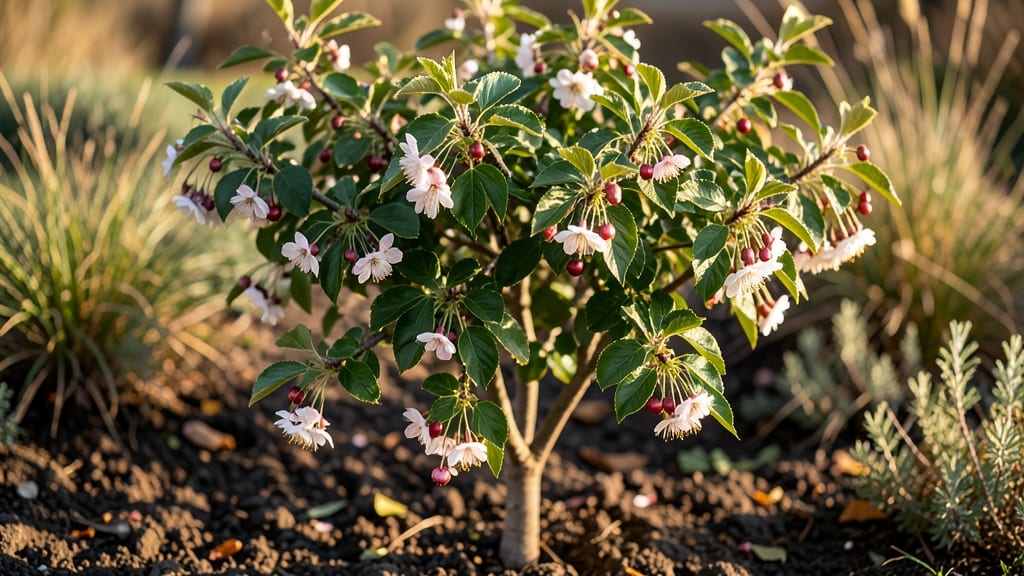
Small fruit cherry trees like 'Stella' or 'Black Tartarian' need strategic pruning to produce year-round harvests—and I’ve learned the exact cuts that turn sparse branches into fruit-loaded treasures. 🌿 The key isn’t just trimming willy-nilly; it’s shaping the tree to focus energy on sweet, plump cherries while keeping it manageable in tight spaces.
My first attempt left me with half-empty branches, but after three seasons of trial and error, I cracked the code for consistent, bountiful yields.
Start with open-center pruning in late winter to let sunlight reach the center of the tree—this prevents crowded branches that choke fruit production. Then, summer pruning thins out overcrowded areas, ensuring each remaining branch gets enough nutrients.
I prune no more than 25% of the tree at once, or you risk shocking it into stress mode. The payoff? Trees that bear fruit from early summer through fall, with some varieties even producing a second flush if conditions are right.
What you’ll end up with is a compact, productive tree that fits even small yards or containers—no more sacrificing space for fruit. The cherries stay sweet and firm, not bitter or mealy, because the tree isn’t overburdened.
Plus, pruning makes harvesting easier: no more wrestling with tangled branches or reaching into thorny tangles. Think of it as giving your tree a spa day—less stress, more flavor.
This method works for dwarf varieties in zones 4-7, whether you’re growing in full sun or partial shade. Just adjust timing slightly for your climate: prune a week earlier in warmer zones to avoid spring frost damage.
The same principles apply whether you’re shaping a 5-gallon container tree or a 6-foot-tall standard. Let’s get those branches in shape!
Why Your Cherries Stay Tiny
Understanding why your cherry tree produces small fruit is the first step toward fixing the issue. While it can be frustrating to watch a tree full of blossoms yield tiny, underdeveloped cherries, the root causes are usually tied to nutritional imbalances, environmental stress, or improper growth habits.
Let’s break down the science behind each culprit so you can take actionable steps to boost fruit size next season.
---
Cherries are heavy feeders, and if your tree isn’t getting the right nutrients—especially during critical growth phases—fruit development stalls. The two biggest offenders?
- Nitrogen Deficiency (Too Much or Too Little) While nitrogen fuels leafy growth, excessive nitrogen late in the season can lead to luxuriant foliage at the expense of fruit maturation.
Meanwhile, insufficient nitrogen early on weakens the tree’s ability to support fruit growth. - Actionable Fix: Test your soil and apply a balanced fertilizer (like 10-10-10) in early spring, then switch to a low-nitrogen, high-phosphorus formula (e.g., 5-10-10) at bloom time to encourage fruiting.
- Potassium & Calcium Shortages These minerals are vital for cell expansion and fruit firmness. A deficiency often results in small, misshapen cherries or those prone to cracking. - Actionable Fix: Add potassium sulfate or lime (for calcium) in late winter.
Organic options like wood ash (for potassium) or crushed eggshells (for calcium) work too.
- Micronutrient Deficiencies (Zinc, Boron, Iron) Even tiny amounts of these minerals matter. For example, zinc deficiency can stunt fruit growth, while boron deficiency leads to poor cell wall formation. - Actionable Fix: Use a chelated micronutrient spray (like iron sulfate or boron supplements) during bud swell in early spring.
---
Cherries need consistent moisture, especially during fruit set (when flowers turn into fruit) and rapid growth (6–8 weeks after blooming). Too little or too much water at the wrong time throws off development.
- Drought Stress If the tree experiences water scarcity during fruit sizing, cherries stay small and tough.
Deep roots can’t compensate if the topsoil dries out. - Actionable Fix: - Deep watering (1–2 inches per week) is key, especially in sandy or well-drained soils. - Use mulch (straw or wood chips) to retain moisture and regulate soil temperature. - Avoid shallow, frequent watering, which encourages weak root growth.
- Overwatering or Poor Drainage While rare, waterlogged roots (from heavy clay soil or poor drainage) can suffocate roots, limiting nutrient uptake. - Actionable Fix: Amend soil with compost or sand to improve drainage. Ensure the planting site has slightly elevated ground to prevent pooling.
---
Pruning is a double-edged sword—done wrong, it can disrupt the tree’s energy balance, leading to small fruit. Common pruning pitfalls include:
- Over-Pruning in Late Winter Heavy pruning right before bloom removes too many fruit buds, reducing the tree’s ability to support large cherries. - Actionable Fix: Prune dormant trees in late winter/early spring (just before buds swell), but avoid aggressive cuts—stick to 20–30% of the canopy max.
- Removing Too Many Water Sprouts or Suckers These shoots compete for nutrients, but removing all of them can weaken the tree. A few well-placed suckers can boost fruit size by redistributing energy. - Actionable Fix: Thin out only aggressive, non-fruiting growth.
Leave 2–3 healthy suckers if the tree is young or struggling.
- Skipping Summer Pruning for Fruit Thinning If the tree sets too many cherries (a common issue in sweet cherries), each fruit becomes starved for resources, staying small. - Actionable Fix: After bloom, thin fruit clusters to 6–8 inches apart, removing weak or damaged cherries first.
This ensures the remaining fruit gets proper nutrients.
---
Cherries are sensitive to temperature swings, sunlight exposure, and pollination issues, all of which can limit fruit size.
- Late Frosts or Heat Stress - Late frosts after bloom can damage pollen, reducing fruit set. - Extreme heat (>90°F during pollination) can sterilize pollen, leading to poor fruit development. - Actionable Fix: Plant frost-hardy varieties (like ‘Stella’ or ‘Montmorency’) in your zone.
Use row covers during late frost periods if needed.
- Insufficient Sunlight Cherries need 6–8 hours of full sun daily. Shady spots lead to small, poor-quality fruit. - Actionable Fix: Prune nearby trees/shrubs to open the canopy. If relocating isn’t an option, fertilize heavily to compensate.
- Poor Pollination Sweet cherries require cross-pollination (two different varieties). If only one type is planted, fruit may set but stay small. - Actionable Fix: Plant two compatible varieties (e.g., ‘Bing’ + ‘Van’) within 50 feet of each other.
For sour cherries (self-pollinating), ensure bees are active during bloom with early spring bee-friendly plants.
--- Hidden threats like silver leaf disease, bacterial canker, or aphids can divert the tree’s energy away from fruit development.
- Fungal Diseases (e.g., Brown Rot, Powdery Mildew) These weaken the tree, reducing its ability to produce large cherries. - Actionable Fix: Apply copper fungicide (for brown rot) or neem oil (for mildew) before bloom and after harvest. Remove infected leaves/fruit promptly.
- Sap-Sucking Pests (Aphids, Spider Mites, Scale) These pests excrete honeydew, which attracts sooty mold, further stressing the tree. - Actionable Fix: Spray with insecticidal soap or horticultural oil in early spring (before buds open). Introduce ladybugs or lacewings for natural control.
- Root-Boring Insects (e.g., Peach Tree Borer) Damaged roots limit nutrient uptake, leading to stunted fruit. - Actionable Fix: Wrap the trunk with tree banding (sticky barrier) in early spring. Mulch heavily to deter pests.
--- Even with perfect care, young trees (under 3–4 years) and overloaded mature trees struggle to produce large fruit.
- Young Trees (Not Mature Enough) Trees under 3 years old focus energy on root and canopy growth, not fruit. - Actionable Fix: Delay heavy fruiting by thinning flowers if needed. Focus on soil health and pruning to build strength.
- Biennial Bearing (Alternating Heavy/Light Crops) Some cherry trees overproduce one year, then rest the next, leading to small fruit after a heavy crop. - Actionable Fix: Hand-thin fruit after bloom to reduce load by 50% if the tree is overloaded.
Use thinning shears to remove every other cluster.
--- Use this checklist to pinpoint the issue: 1. Check soil (test for pH/nutrients). 2. Inspect leaves (yellow = nitrogen; brown edges = potassium/calcium). 3. Monitor watering (is soil consistently moist but not soggy?).
4. Review pruning history (did you cut too late or too hard?). 5. Look for pests/disease (sticky leaves? holes in bark?).
Once you identify the culprit, targeted fixes—like fertilizer adjustments, strategic pruning, or pest control—can double your cherry size next season! 🍒✨
Fixing Small Fruit Issues Naturally
When your cherry tree produces small fruit, it’s often a sign of underlying stress or imbalance—but don’t worry! With the right approach, you can restore healthy growth and plump, juicy cherries. Below are practical, step-by-step solutions tailored to the most common causes, plus prevention tips to keep your tree thriving.
---
If your cherries stay tiny due to lack of pollination, hand-pollination or better bee-friendly practices can help.
✅ How to Fix It: - 🔥 Attract More Pollinators: Plant bee-friendly flowers (like lavender, sunflowers, or clover) near your cherry tree. Avoid pesticides during bloom time. - 👨🍳 Hand-Pollinate (If Needed): On cloudy days (when bees are less active), use a soft paintbrush to transfer pollen from one flower to another. - 🌡️ Choose the Right Variety: If possible, plant self-pollinating cherry varieties (like ‘Stella’ or ‘Lapins’) or pair sweet and sour cherries for cross-pollination.
💡 Prevention Tip: - 🎯 Time It Right: Prune lightly in late winter to avoid removing flower buds, which form in late summer.
---
Small fruit often signals lack of nitrogen, phosphorus, or micronutrients. A simple soil test and targeted fertilization can make a big difference.
✅ How to Fix It: - 📊 Test Your Soil: Use a DIY soil test kit (or send a sample to a local extension office) to check pH and nutrient levels. Cherries prefer slightly acidic soil (pH 6.0–6.5). - 💪 Fertilize Correctly: - Early Spring (Before Bud Break): Apply a balanced fertilizer (10-10-10) to encourage leaf and fruit growth. - Mid-Summer (After Harvest): Use a phosphorus-rich fertilizer (5-10-10) to support next year’s fruit development. - 🥗 Add Organic Matter: Mix in compost or well-rotted manure around the root zone to improve soil structure and nutrient availability.
💡 Prevention Tip: - ✨ Avoid Over-Fertilizing: Too much nitrogen can lead to leafy growth at the expense of fruit size. Follow package instructions and water deeply after applying.
---
Drought, extreme heat, or cold snaps can stunt fruit growth. Adjusting watering and protecting your tree can reverse the issue.
✅ How to Fix It: - 💧 Water Deeply & Consistently: Cherries need 1–1.5 inches of water per week (more in extreme heat). Use drip irrigation to keep roots moist without wetting leaves (which can cause disease). - 🌿 Mulch Properly: Apply 2–4 inches of organic mulch (wood chips, straw) around the base (but not touching the trunk) to retain moisture and regulate soil temperature. - 🛡️ Protect from Frost: If late frosts threaten early blooms, cover young trees with frost cloth or use smoke generators to create a protective barrier.
💡 Prevention Tip: - 🌡️ Choose Cold-Hardy Varieties: If you’re in a short-season climate, opt for ‘Montmorency’ (sour) or ‘Bing’ (sweet)—both tolerate cooler temperatures better.
---
Too many branches competing for resources can lead to small, underdeveloped fruit. Strategic pruning opens up the canopy for better growth.
✅ How to Fix It: - 🔪 Thin Out Dense Areas: Remove 10–20% of the smallest, weakest branches each year to improve airflow. Focus on: - Crossing or rubbing branches (they weaken the tree). - Suckers (shoots growing from the base). - Dead or diseased wood. - 🌿 Shape for Sunlight: Aim for an open-center form—this allows sunlight to reach inner branches, encouraging larger fruit. - ⏰ Time It Right: Late winter/early spring (before buds swell) is best for major pruning. Avoid heavy cuts in summer.
💡 Prevention Tip: - 🎯 Prune Young Trees Early: Train your cherry tree with open-center pruning from the start to prevent future crowding.
--- Fungal diseases (like powdery mildew) or pests (such as cherry fruit flies) can drain energy from your tree, leading to small fruit.
✅ How to Fix It: - 🛡️ Prevent Fungal Issues: - 🍳 Spray with Baking Soda Mix: Combine 1 tsp baking soda + 1 tbsp horticultural oil + 1 gallon water and spray every 7–10 days during wet seasons. - 🌿 Improve Airflow: Prune to reduce humidity trapped in dense foliage. - 🐜 Control Pests Naturally: - 🐝 Use Pheromone Traps for fruit flies or aphids. - 🍎 Apply Neem Oil (early morning or evening) to suffocate soft-bodied pests without harming bees. - 🔍 Monitor Regularly: Check leaves and fruit for spots, holes, or webbing—early action prevents spread.
💡 Prevention Tip: - ✨ Plant Resistant Varieties: Some cherries (like ‘Rainier’) are less prone to cracking and disease—check labels when selecting new trees.
--- To keep your cherry tree producing large, sweet fruit year after year, follow this quick recap: ✔ Pollination: Plant companion flowers or hand-pollinate if needed. ✔ Soil Health: Test and amend with compost/fertilizer as needed. ✔ Watering: Deep, consistent moisture (especially in drought). ✔ Pruning: Thin branches annually for airflow and sunlight. ✔ Pest Control: Use organic sprays and traps preventatively.
With these targeted fixes, your cherry tree should rebound with juicier, more abundant fruit in no time! 🍒✨
Frequently asked questions
What are the best small-fruit cherry tree varieties for containers?
For containers, choose dwarf varieties like 'Stella' (sweet) or 'Montmorency' (sour), which stay under 6 feet tall. These thrive in 15-gallon pots with well-draining soil and need full sun (6+ hours daily). Avoid standard varieties—they outgrow containers quickly and produce smaller fruit due to root restriction.
How do I know if my cherry tree isn't getting enough sunlight?
Look for small, pale leaves or fruit that stays green and tart instead of ripening. Cherries need 6–8 hours of direct sun—if your tree is in shade, relocate it or prune nearby trees/shrubs to open the canopy. Even partial shade can reduce fruit size by 30–50%.
Can I grow small-fruit cherries in zones colder than 5?
Most small-fruit varieties tolerate zones 4–7, but for colder climates (zone 3–4), choose 'Black Tartarian' or 'Balaton'—they handle -30°F temps. Plant in south-facing spots to maximize winter sun exposure. Mulch heavily (4–6 inches) with straw to protect roots.
Why do my cherries crack even when they're small?
Cracking happens when fruit grows too fast after uneven watering (drought followed by heavy rain). To prevent it, water deeply and consistently (1–2 inches per week) and mulch to stabilize soil moisture. Thin clusters to 6–8 inches apart—overcrowded fruit competes for water and splits.
How often should I prune a young small-fruit cherry tree?
Prune young trees once a year in late winter (before buds swell), removing 10–20% of the canopy max. Focus on dead wood, crossing branches, and suckers. Avoid heavy pruning—it stresses the tree and reduces next year’s fruit. For dwarf varieties, limit cuts to 3–5 branches per season to maintain shape.