
Featured
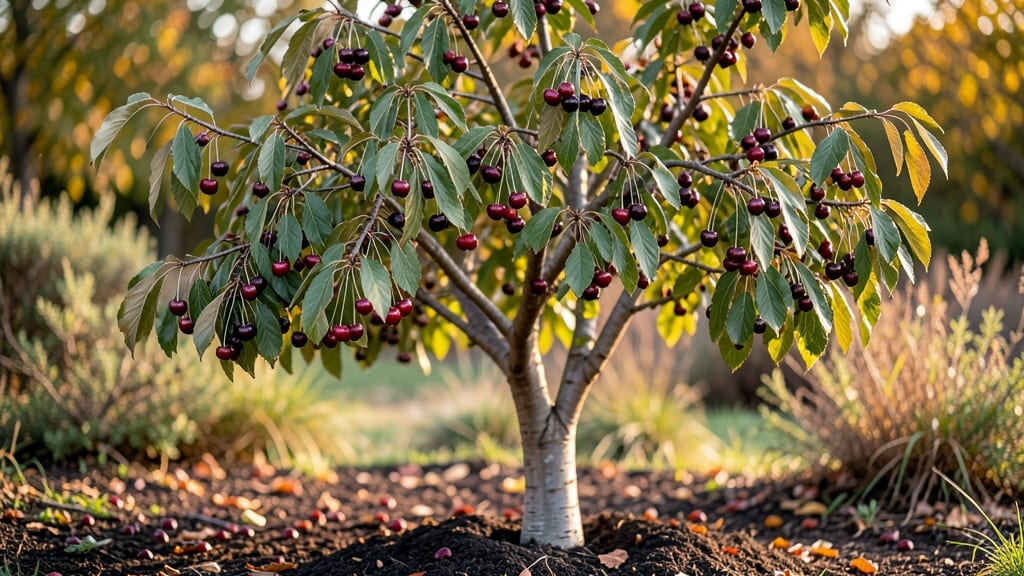
Canada Red cherry tree fruit ripens in mid-to-late summer, typically between July and August, when cherries reach a deep red hue, soften slightly when gently squeezed, and detach easily from the stem. Harvest in dry, cool weather for best flavor and storage life.
The Canada Red cherry tree produces fruit that's prized for its vibrant color and sweet-tart flavor profile, which develops fully during peak summer months. 🌿 These cherries are at their sweetest when harvested on cool mornings after a dry night, as this prevents cracking and preserves their natural sugars.
What sets them apart is their ability to ripen consistently across the entire tree, making them ideal for both fresh eating and culinary uses like pies or jams.
Timing is everything with Canada Red cherries—they should be harvested before birds or pests get to them, which usually happens within a 2-3 week window once they reach full color.
I always recommend using a picking pole with a basket to avoid damaging the branches, and sorting them immediately after harvest to separate any damaged fruit. This attention to detail makes a noticeable difference in both flavor and shelf life.
💡 In This Article
- How to Identify Perfectly Ripe Canada Red Cherries
- Optimal Harvesting Techniques for Canada Red Cherries
How to identify perfectly ripe Canada Red cherries
The ripening process of Canada Red cherries begins with a dramatic color transformation. These cherries start off green and gradually develop a vibrant red hue as chlorophyll breaks down and anthocyanins—antioxidant pigments—take over.
By mid-summer, the deep red color signals peak sweetness, typically around 10-14 days after the first blush of color appears. The sugar content, measured as brix (a scale of soluble solids), peaks at 18-22% during this window, making them irresistibly sweet.
Texture is another critical indicator, but it requires a gentle touch. A perfectly ripe Canada Red cherry should yield slightly when pressed with your thumb—like a ripe peach—without feeling mushy.
The stem should detach cleanly from the fruit; if it resists, the cherry needs more time on the tree. 🌞 Sunlight exposure also plays a role: cherries on the sun-facing side of the tree ripen first, often 2-3 days ahead of those in shade.
Sensory cues like aroma become more pronounced as cherries ripen. A ripe Canada Red cherry releases a sweet, floral fragrance when gently crushed between your fingers—this is your signal to harvest.
The flavor profile shifts too, balancing sweetness with a subtle tartness that becomes more pronounced as temperatures drop in late summer. Unlike some varieties that lose sweetness in heat, Canada Reds maintain their flavor intensity even when daytime temps reach 85°F or higher.
Environmental factors can accelerate or slow ripening. Prolonged dry spells concentrate sugars, while excessive rain dilutes flavor and increases the risk of cracking. The ideal harvesting window occurs after 3-5 days of dry weather, when cherries have reached peak ripeness but haven't yet succumbed to birds or pests.
This timing ensures maximum flavor while minimizing spoilage during storage.
What most people overlook is the importance of consistent ripening across the tree. Canada Red cherries typically ripen uniformly, unlike some varieties that develop patchy ripeness. This makes them ideal for large-scale harvesting.
When selecting cherries to pick, focus on clusters where 80-90% of the fruit shows the deep red color—these will be the sweetest and ripest.
Pro tip: Harvest in the morning when temperatures are coolest (60-75°F). This preserves the cherries' natural sugars and prevents them from overheating, which can cause premature softening. The cooler temperatures also make the cherries easier to handle without bruising.