
Pruning
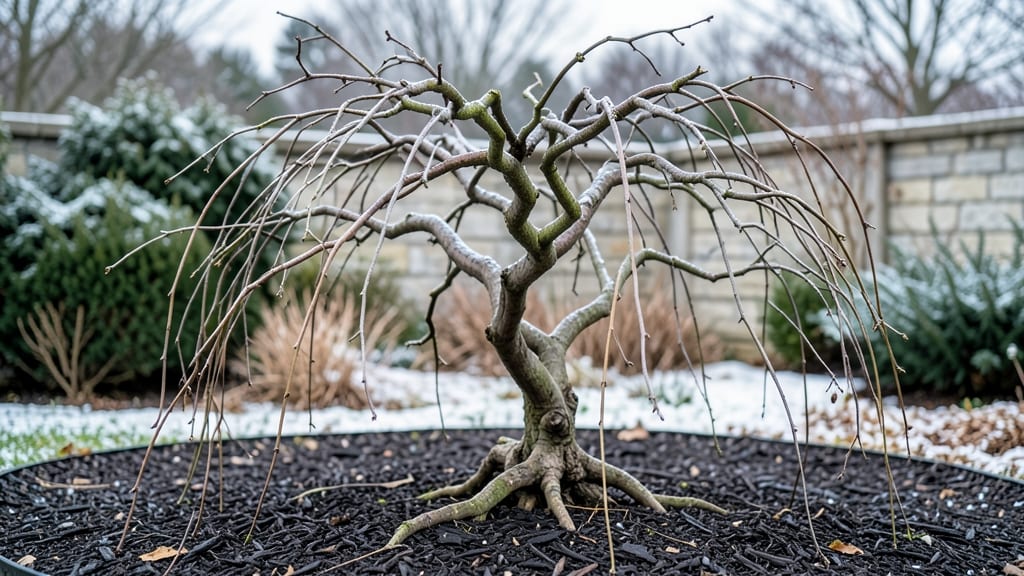
Winter is when wisteria trees reveal their true potential—or crumble under neglect. ✂️ That dormant season pruning isn't just about shaping branches; it's the secret to vibrant spring blooms and a healthier tree for years to come.
I've watched wisterias go from bare, tangled messes to lush, fragrant giants after mastering this one winter ritual.
The key is timing: prune after the first hard frost but before new growth starts in early spring. You'll remove dead wood, open the canopy for sunlight, and encourage strong, flower-laden stems.
A sharp pair of loppers, a 10-foot ladder, and a plan for where each cut goes will save you hours of frustration later.
What you end up with is a wisteria that bursts with purple or white blossoms in May, instead of the sad, leggy vines you see in neglected yards. The flowers arrive earlier, last longer, and the tree's structure stays balanced—no more weak branches snapping in storms.
Works for both climates and container-grown wisterias too. Here's how to do it without turning your yard into a winter disaster zone.
📚 In This Guide
- What you need
- Instructions
- Tips and common mistakes
- Wrapping up and next steps
What you need
- ● Pruning shears (bypass or anvil type) – Sharp, clean blades (10-12” for thick branches). Pro tip: Sanitize with rubbing alcohol before/after use! 💡
- ● Loppers (20-24”) – For branches ¾”–2” thick. Look for ratcheting models for less hand fatigue.
- ● Pruning saw (curved blade) – For stubborn, woody stems >2” thick. Lubricate the blade for smoother cuts! ✨
- ● Gloves (heavy-duty, cut-resistant) – Protect your hands from thorns and rough bark.
- ● Ladder or step stool – Reach high branches safely. Extendable models save space!
- ○ Disposable pruning sealant – Optional but helpful for sealing large cuts (>½”) to prevent disease.
- ● Trash bags or bucket – Collect pruned branches for composting or disposal.
- ● Weather check – Prune on a dry, cloudy day (avoid frost or wind).
- ● Safety glasses – Shield your eyes from debris.
- ● Long sleeves/pants – Wisteria thorns are no joke! 😅
- ● Hand sanitizer – Keep cuts and tools germ-free.
- ● Map of your tree’s structure – Sketch or take photos of the wisteria’s shape before pruning!
- ● Pole pruners (for very high branches).
- ● Sharpie marker – Label cuts if training new growth.
- ● Hose with nozzle – Rinse tools between cuts to prevent sap buildup.
Step-by-step instructions for winter pruning wisteria
Here's how to revive your wisteria for spring blooms—no guesswork, just clear cuts and smart timing.
✂️ Step 1: Wait for the Right Moment to Prune
Prune your wisteria only after the first hard frost but before mid-winter—typically January to early February. You'll know it's time when the leaves have fallen completely and new growth has stopped. Pruning too early leaves cuts vulnerable to disease, while waiting too long risks breaking dormant buds.
I always check the weather forecast first. If a warm spell is coming, delay pruning until after temperatures drop again. Cold, dry days are ideal—this prevents sap from bleeding excessively and reduces the risk of fungal infections.
✂️ Step 2: Gather Tools and Safety Gear
You'll need sharp pruning shears for small branches, loppers for thicker stems (up to 2 inches), and a pruning saw for anything larger. Wear gloves—wisteria thorns are vicious, and the sap can irritate skin. Safety goggles are a must too, especially if your tree is mature and heavy.
I always sanitize my tools with rubbing alcohol before starting. This prevents spreading disease between cuts. A small spray bottle with diluted bleach (1 part bleach to 9 parts water) works too. Sharp tools make cleaner cuts, which heal faster and look better.
✂️ Step 3: Remove Dead, Diseased, or Weak Wood
Start by scanning the entire tree for branches that are dead, broken, or crossing. Dead wood is easy to spot—it's brown, brittle, and doesn't snap when bent. Remove these first, cutting back to the main trunk or a healthy lateral branch. This opens up the canopy so light and air can reach the center.
Next, look for branches growing inward or rubbing against others. These compete for nutrients and can create wounds that invite pests. Cut these out completely at their base. You'll see a noticeable difference in the tree's shape right away—more open and airy.
✂️ Step 4: Thin Out Overcrowded Branches
Wisteria grows aggressively, so thinning is key to keeping it manageable. Focus on the older, thicker branches first—these are the ones hogging energy. Aim to reduce the total number of branches by about 20-30%. You want a balanced shape where light can filter through to the center.
I like to step back every few cuts to visualize the tree's form. If one side looks too bare, leave a few extra branches there. Wisteria blooms on old wood, so avoid cutting back into last year's growth unless it's absolutely necessary. You'll see buds forming along the branches after pruning—that's your sign you're doing it right.
⏰ Step 5: Shape for Spring Growth and Bloom
Now it's time to guide the tree's future shape. Wisteria naturally grows in a sprawling, vine-like habit, so I encourage that by leaving some long, flexible branches. Cut back the tips of these branches by about 1/3 to promote bushier growth. This is where next year's flowers will form.
For a more compact look, you can prune slightly harder—up to 1/2 of the branch length—but don't go beyond that unless you're okay with fewer blooms. After pruning, rake up and dispose of all the clippings. Don't leave them on the ground—they can harbor pests and diseases over winter.
💧 Step 6: Post-Pruning Care for Revival
Give your wisteria a deep watering right after pruning to help it recover. The roots will need moisture to support new growth in spring. Mulch the base with 2-3 inches of organic mulch (like wood chips or shredded bark) to retain moisture and protect roots from temperature swings.
I also add a balanced, slow-release fertilizer around the drip line in early spring to give the tree a nutrient boost. Avoid heavy fertilizing right after pruning—it can stress the plant. Instead, focus on keeping the soil moist and well-aerated until new growth appears in late winter or early spring.
Tips & tricks for perfect winter wisteria pruning
These key insights will help you prune your wisteria like a pro and set it up for stunning spring blooms.
Timing is Everything: The January to early February window is non-negotiable for dormant-season pruning. I've learned this the hard way—pruning too early can shock the tree, while waiting too long risks damaging those precious dormant buds. Check for completely fallen leaves and no new growth before you begin. If you're unsure, wait a few more days rather than pruning too soon.
Tool Prep Makes All the Difference: Sharp tools aren't just about clean cuts—they're about safety and plant health. I always test my pruning shears by making a clean cut through a small branch before starting. Dull tools crush wood instead of cutting it, creating larger wounds that take longer to heal. For branches over 2 inches thick, switch to loppers immediately—your hands will thank you. And that sanitizing step? It's not optional. I've seen fungal infections spread between cuts when tools weren't properly cleaned.
Visualize the Final Shape: Before making any cuts in Step 4, step back and mentally trace the tree's future shape. Wisteria naturally grows in a sprawling vine-like form, so aim to maintain that organic structure. I find it helpful to imagine sunlight filtering through the branches—this is your goal. For every branch you remove, ask yourself if it's blocking light from reaching the center or creating too much density. Remember, you're creating an open framework for next year's blooms, not just tidying up.
Post-Pruning Recovery is Critical: That deep watering after pruning isn't just a nice touch—it's essential. The tree has just undergone major surgery, and its roots need moisture to support new growth. I've seen wisterias struggle when this step was skipped, especially in dry winter conditions. The 2-3 inches of organic mulch acts like a protective blanket for the roots, moderating temperature swings that can stress the plant during its recovery period.
Pro Tips for Wisteria Tree In Winter
- These key insights will help you prune your wisteria like a pro and set it up for stunning spring blooms.
- Timing is Everything: The January to early February window is non-negotiable for dormant-season pruning.
- Tool Prep Makes All the Difference: Sharp tools aren't just about clean cuts—they're about safety and plant health.
Frequently asked questions
Got questions about keeping your wisteria thriving through winter?
Here are the most common concerns—and straightforward answers—to help you prune with confidence and set your tree up for a stunning spring comeback.
When is the best time to prune wisteria in winter?
The ideal window is late winter (February to early March), after the coldest snap but before new buds swell. This timing balances dormancy (easier cuts) with early spring growth triggers. Avoid pruning in fall—it encourages tender new growth that won’t survive frost.
Can I prune wisteria if it’s still covered in snow or ice?
Wait for a dry, above-freezing day (even if snow lingers). Pruning in icy conditions can damage branches or dull tools. If you’re in a heavy-snow region, shake off excess snow before cutting—just avoid vigorous shaking if branches are brittle.
How do I know if I’ve pruned too much?
Wisteria is resilient, but never remove more than 1/3 of the plant’s total growth in one season. Signs of over-pruning: sparse foliage, weak stems, or no flower buds in spring. Focus on shaping and thinning, not aggressive cuts.
What if my wisteria doesn’t bloom after winter pruning?
Blooms form on old wood, so avoid heavy cuts on mature stems. If flowers are missing, check for:
- Over-pruning (cut back to last year’s growth)
- Lack of sunlight (wisteria needs 6+ hours/day)
- Nutrient deficiency (add compost or balanced fertilizer in early spring)
Are there winter alternatives if I can’t prune now?
If timing slips, focus on these low-maintenance tasks:
- Remove dead/diseased branches (cut at the base to prevent spread)
- Mulch the base (2–3 inches of organic mulch to insulate roots)
- Water deeply (if soil is frozen, wait until thaw)
Wrapping up and next steps
Winter is the perfect time to revive your wisteria—think of it as a fresh start for your plant’s future blooms! 🌱 By following the right pruning techniques, you’re setting the stage for a vibrant spring and years of stunning cascades.
Don’t let hesitation hold you back; grab those shears and transform your wisteria into a showstopper.
Ready to take action? Mark your calendar for late winter (just before buds swell) and dive into pruning with confidence. Your future floral masterpiece starts with one careful cut—happy pruning! 🌸✂️