
Trees
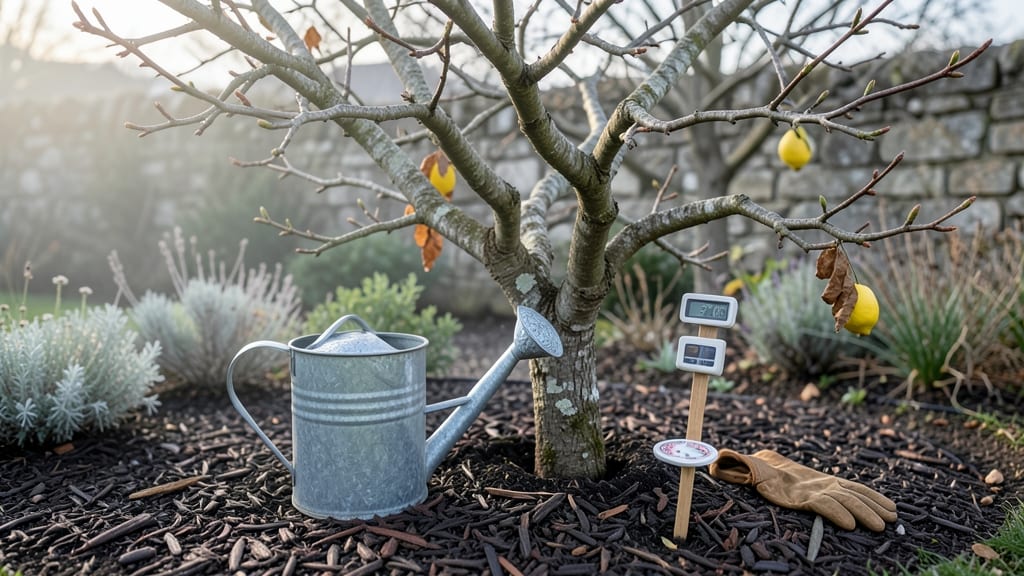
Your lemon tree lost all leaves in winter—don’t panic, this is fixable. 🌿 Cold stress, overwatering, or pests often cause this, but with the right care, those bare branches will burst back to life. The key is acting fast before new growth starts, usually by late winter or early spring.
Start by checking the roots: soggy soil means you’ve been overwatering, while dry, cracked earth signals underwatering. Trim any dead branches with clean pruners, then give the tree a good drink—just enough to moisten the soil, not drown it.
Move it to a brighter spot (indoors near a sunny window or outdoors in full sun) and keep the air around it humid with a pebble tray.
📚 In This Guide
- What you need
- Instructions
- Tips and common mistakes
- Wrapping up and next steps
What you need
- ● Pruning shears – Sharp, clean, and sterilized (rubbing alcohol works!)
- ● Garden gloves – Protect your hands from thorns and sap
- ● Disinfectant spray (70% isopropyl alcohol or hydrogen peroxide)
- ● Well-draining potting mix – Cactus/succulent blend or a mix with perlite/vermiculite (50/50 ratio)
- ● Watering can – With a fine rose nozzle for gentle hydration
- ● Fertilizer – Balanced citrus fertilizer (10-10-10 or 8-3-9 NPK ratio) or organic options like fish emulsion
- ● Mulch – Organic mulch (straw, wood chips) to retain moisture and regulate soil temp
- ● Humidity tray – A shallow tray with pebbles and water to boost moisture around the tree
- ● Growth regulator (like BA-10) – Helps stimulate leaf regrowth (follow label instructions!)
- ● LED grow lights – If your tree lacks sunlight (6-8 hours/day of bright, indirect light)
- ● Soil moisture meter – Prevents over/under-watering (citrus trees hate soggy roots!)
- ● Citrus-specific fungicide – If you notice black spots or mold on branches
How to revive a lemon tree after winter leaf drop
Don’t panic—your lemon tree isn’t dead, just dormant. Here’s how to nurse it back to life.
🌱 Step 1: Inspect and Prune Dead or Damaged Branches
Start by examining the tree closely. Run your fingers along the branches—if they snap easily or feel mushy, they’re dead. Healthy branches should bend slightly before breaking. Use clean, sharp pruning shears to cut back dead stems ½ inch above a healthy bud or leaf node. This prevents disease from spreading into live tissue.
Look for any signs of pests like scale or spider mites, which thrive on stressed trees. Wipe off any webbing or sticky residue with a damp cloth. If you see tiny bumps on stems, those are likely scale insects—spray with neem oil later if they’re widespread. Prune on a dry day to avoid introducing fungal spores through fresh cuts.
☀️ Step 2: Adjust Light and Temperature Gradually
Move your lemon tree to a spot with bright, indirect light—think east or west-facing windows. Direct sunlight can scorch new growth, while too little light weakens the tree further. If you’re using grow lights, keep them 12-18 inches away and on for 12-14 hours daily.
Check the soil temperature with your finger—it should feel warm but not hot (around 65-75°F). If your home runs cooler, place the pot on a heat mat set to 70°F. Avoid cold drafts from windows or doors. You’ll know the tree is adjusting when tiny new leaves begin to unfurl along the branches.
💧 Step 3: Water and Fertilize for New Growth
Water only when the top 1-2 inches of soil feel dry. Overwatering suffocates roots, while underwatering stresses the tree further. Stick your finger in the soil—if it’s damp past your first knuckle, wait another day. Use room-temperature water to avoid shocking the roots.
After new leaves appear, switch to a balanced citrus fertilizer (like 6-6-6) every 4-6 weeks. Start with half the recommended dose—your tree is still recovering. Add a handful of compost to the topsoil to replenish nutrients. You’ll see stronger regrowth within 4-8 weeks if the tree is healthy underneath.
⏰ Step 4: Monitor and Protect New Growth
Keep an eye out for yellowing leaves—this is normal at first, but if it spreads, your tree may need more light or less water. Shield new shoots from cold drafts and sudden temperature swings. If your home’s humidity drops below 40%, mist the leaves lightly in the morning to mimic tropical conditions.
Once the tree has 3-4 inches of new growth, you can resume normal care. Avoid heavy pruning or repotting until spring. The key is patience—your lemon tree stores energy in its roots and will bounce back once conditions stabilize. With consistent care, you’ll see blossoms (and eventually fruit) within a season.
Tips & tricks for reviving a dormant lemon tree
Here's what nobody tells you about bringing your citrus friend back from winter dormancy—these are the little details that make all the difference.
Pruning Precision: When cutting back dead stems in Step 1, make your cuts at a 45-degree angle just above a bud or leaf node. This angle helps rainwater run off instead of pooling at the cut, which prevents rot. And here's the thing: don't throw away those pruned branches! Toss them in a paper bag and compost them—your tree's nutrients will come full circle.
Lighting Strategy: If you're using grow lights in Step 2, position them so they cover the tree's entire canopy. The 12-18 inch distance recommendation assumes a standard 60-watt bulb—if you're using LEDs, you can safely move them to 20-24 inches away. I've seen people burn new growth by getting too close, so take your time adjusting the height. Also, rotate the pot every few days so all sides get even light exposure.
Soil Temperature Secret: That 65-75°F soil temperature range is your sweet spot, but there's a trick to checking it properly. Stick your finger about 2 inches deep—this is where the roots are actively growing. If it feels cooler than your wrist, your tree is still too chilly. Pro tip: A simple heat mat set to 70°F under the pot can work wonders, especially in cooler homes.
Fertilizer Timing: When you start fertilizing in Step 3, remember that citrus trees are sensitive to salt buildup. After applying that half-dose balanced fertilizer, water thoroughly to rinse any excess salts from the root zone. And here's what nobody tells you—if your tree shows signs of nutrient burn (yellowing leaves with brown edges), flush the soil by watering heavily for 10 minutes to leach out the excess.
Pro Tips for Lemon Tree Lost All Leaves In Winter
- Here's what nobody tells you about bringing your citrus friend back from winter dormancy—these are the little details that make all the difference.
- Pruning Precision: When cutting back dead stems in Step 1, make your cuts at a 45-degree angle just above a bud or leaf node.
- Lighting Strategy: If you're using grow lights in Step 2, position them so they cover the tree's entire canopy.
Frequently asked questions
about why your lemon tree lost all its leaves in winter—and how to bring it back to life.Is it normal for a lemon tree to lose all its leaves in winter?
Yes! Many lemon trees (especially Citrus × limon varieties) are semi-deciduous and naturally drop leaves in cold weather to conserve energy. However, if your tree is indoors or in a mild climate, excessive leaf loss could signal stress from drafts, low humidity, or sudden temperature drops. Monitor for new growth in spring—healthy buds will emerge as temperatures rise.
How cold is too cold for a lemon tree to keep its leaves?
Lemon trees thrive in USDA Zones 9–11 and typically need temperatures above 40°F (4°C) to retain leaves. Prolonged exposure to below 30°F (-1°C) can cause leaf drop, while freezing temps (28°F/-2°C or lower) may damage branches. If you’re in a colder zone, bring potted trees indoors before winter or use frost cloth for outdoor plants.
Will my lemon tree survive if it loses all its leaves?
Mostly! A healthy root system ensures survival, even if the canopy disappears. Focus on watering lightly (overwatering risks rot), avoiding fertilizers (dormant trees don’t need nutrients), and protecting from wind. By late winter/early spring, new leaves and flowers should appear if the roots are intact. If no buds form by spring, check for root rot or pests.
Can I prune my lemon tree now that it’s lost all its leaves?
Wait until late winter or early spring (just before new growth starts) to prune. Now, you can only remove dead or broken branches—never cut into dormant buds, as this delays spring recovery. Use sterilized pruners and make cuts at a 45° angle just above a leaf node. Avoid heavy pruning; focus on shaping and air circulation.
What if my lemon tree doesn’t regrow leaves in spring?
If your tree stays bare into late spring (May/June), it may need help. Check for:
- Root issues: Gently dig around the base to inspect for rot or girdling roots.
- Pests: Look for aphids, scale, or spider mites on branches.
- Fungal disease: Dark spots or mold on stems indicate problems.
Wrapping up and next steps
Don’t worry—your lemon tree isn’t doomed! 🌱 Losing leaves in winter is often a natural part of its dormancy, and with the right care, those branches will bounce back stronger than ever.
Remember: pruning, protection, and patience are your best tools to revive a dormant lemon tree and set it up for a fruitful spring.
Ready to take action? Start by inspecting your tree’s health, then follow the steps outlined above to nurse it back to life. Before you know it, those bare branches will burst with fresh growth—and maybe even a few tangy surprises! 🍋✨