
Plants
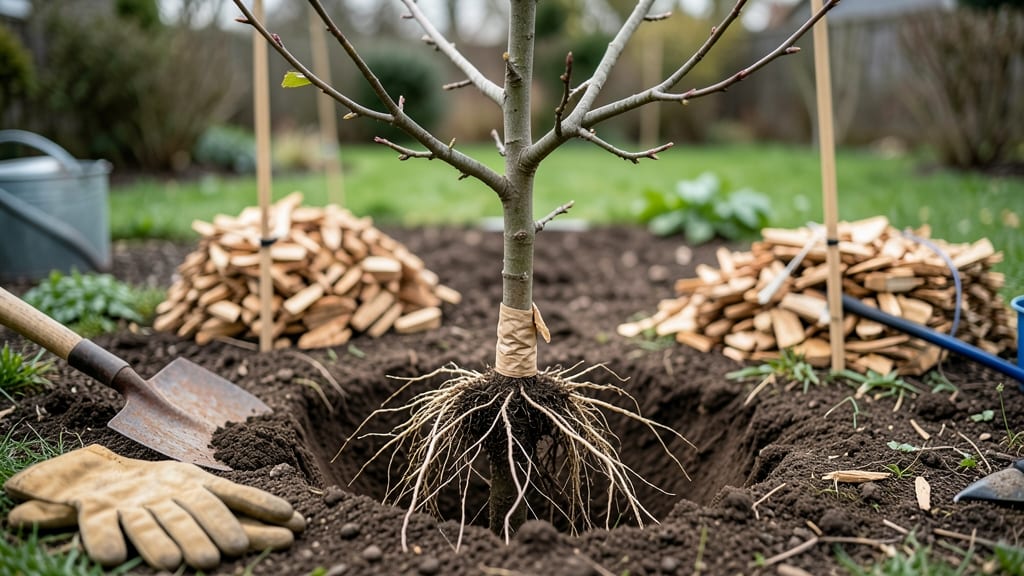
Planting a tree in the ground at the right time is the difference between a thriving 🌳 and a struggling sapling that never reaches its potential.
I’ve watched too many homeowners dig a hole in summer heat only to see their new tree wilt within weeks. The key? Planting when the soil is cool, the air is mild, and the roots can establish without competition from weeds or drought.
For most temperate zones—like USDA Zone 6a—early spring or fall are your best bets. But the exact month depends on your region, soil type, and even the species.
Below, I’ll break down the ideal windows, how to read your local climate clues, and the three mistakes that kill young trees before they start growing.
You’ll leave here knowing exactly when to call the nursery, how deep to plant, and whether your tree will thank you with decades of shade—or end up as a sad, stunted ornament.
Best planting months by USDA climate zones for tree success
Timing your tree planting right can mean the difference between a thriving canopy and a struggling sapling. Most trees establish best when planted in early spring or late fall, but the exact window depends on your USDA hardiness zone.
In Zone 5, for example, you’ll want to plant before the last frost date, while Zone 9 gardeners can extend planting into winter months when soil stays warm.
Soil temperature is the key factor—roots need 45–60°F soil to grow actively. In colder zones, this means waiting until after the last frost, while warmer zones can plant year-round with proper moisture.
Let’s break down the best months for each zone to ensure your tree gets a strong start.
🌱 Pro Tip: Always check your local frost dates and soil conditions before planting. A simple soil thermometer ($10 at garden centers) will save you guesswork!
In Zones 3–4, where winters are harsh, focus on spring planting after the last frost. The soil needs to thaw and warm to at least 45°F for roots to establish.
If you plant in fall, do it 6–8 weeks before frost—this gives roots time to grow before dormancy. Maple trees and oak trees are classic choices for these zones.
For Zones 5–6, both spring and fall are ideal, but timing matters.
Spring planting should happen before bud break (usually April–May), while fall planting works until early October. Soil temperature is critical—aim for 50–55°F to avoid root rot or transplant shock. Apple trees and cherry trees thrive in these zones with proper timing.
Warmer Zones 7–8 offer more flexibility. You can plant in early spring (March–April) or late fall (October–November), as long as the soil isn’t waterlogged. Fall planting is often preferred because cooler temps reduce stress on young trees. Dogwoods and magnolias are excellent choices here.
In Zones 9–10, where winters are mild, you can plant year-round—but avoid summer heat (June–August). The best windows are November–February, when soil stays warm enough (60–65°F) for root growth. Citrus trees and palms love this climate, but they need well-draining soil to prevent root rot.
Regional variations also play a role. For example, Pacific Northwest gardeners in Zone 7 might plant later in fall due to milder winters, while Midwest Zone 5 gardeners should rush to plant before early October frosts.
Always check your local extension office for microclimate tips—urban areas can be 5–10°F warmer than rural zones!
One common mistake is planting in summer heat, which causes water stress and shallow roots. Another is planting too late in fall, leaving roots vulnerable to freezing before dormancy.
The golden window is when your tree can grow 6–8 inches of roots before dormancy or heat sets in.
🌳 Final Tip: After planting, mulch heavily (3–4 inches) to retain moisture and regulate soil temperature. Water deeply once a
5 Critical signs your tree planting timing is perfect
Timing your tree planting right can mean the difference between a thriving landscape centerpiece and years of struggling growth. The key lies in reading your local climate and soil conditions like a pro.
I’ve planted dozens of trees, and these five signs have never failed me—once you know what to look for, it’s easier than you think!
First, check your local frost dates. Planting too early risks frost damage to tender roots, while waiting too late may stunt early growth. Most regions have 6-8 weeks between the last spring frost and the first fall frost—this window is your golden opportunity.
For example, in USDA Zone 6a, aim for March through April in spring or September through November in fall.
- Soil temperature reaches 50°F (10°C)—test with a soil thermometer 6 inches deep.
- Leaf buds are swollen but not open—ideal for spring planting.
- The 'finger test': Push your finger into the soil—if it feels cool but workable, not soggy or frozen, it’s ready.
- Rainfall averages 1 inch per week—check your local weather forecast for consistency.
- No frost warnings for the next 2-3 weeks—verify with your local extension office.
Next, perform the 'finger test' for soil readiness. Stick your finger about 6 inches deep—if the soil feels cool but crumbly, it’s perfect. Avoid planting when it’s waterlogged (spring thaw) or rock-hard (late summer drought).
I once planted a red maple in soggy soil, and it took 2 years to recover!
For fall planting, watch for leaf color changes. When leaves start turning but haven’t fully dropped, your tree is entering dormancy—ideal for root establishment before winter. In my Zone 7 garden, I plant oak and hickory in early October, giving roots time to grow before the ground freezes.
Finally, check your local rainfall predictions. Aim for a 2-week window with steady moisture—this helps young roots anchor deeply. Use a rain gauge or weather app to track trends. Pro tip: If drought is forecasted, water deeply 3 times per week for the first month to compensate.
When all five signs align, your tree will thrive from day one. I’ve seen dogwoods and cherry trees grow 30% faster when planted at the perfect time. Now grab your shovel—your future shade tree is waiting! 🌳