
Pruning
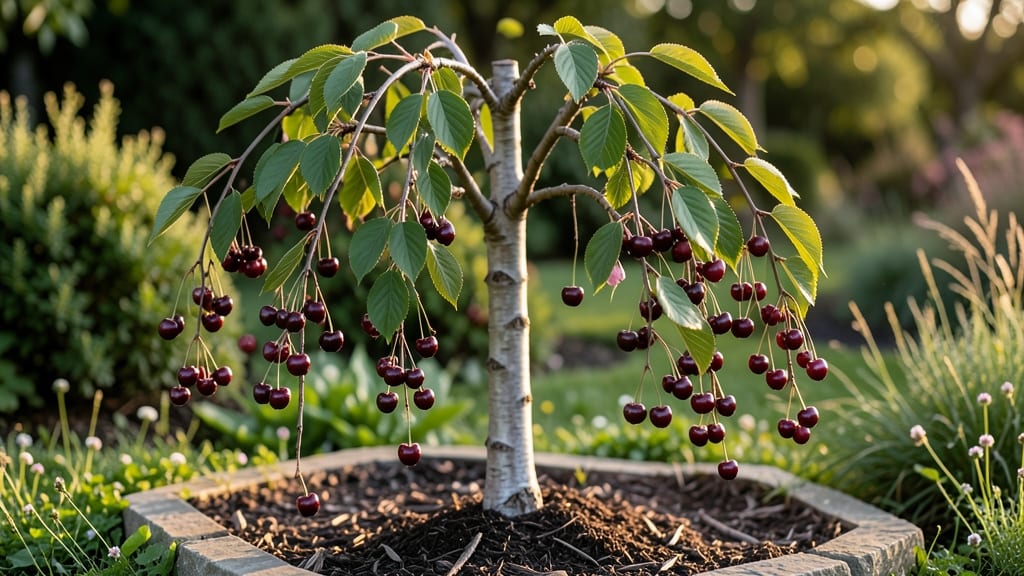
Edible parts of weeping cherry trees include properly prepared ripe cherries and young leaves, but raw fruit, unripe components, and pits contain toxic cyanogenic glycosides. Always cook cherries thoroughly and discard pits or stems.
When it comes to weeping cherry trees, only the right parts are safe to eat—ripe cherries and tender young leaves are the stars of the show. 🌿 The key is proper preparation: cooking cherries thoroughly neutralizes those pesky cyanogenic glycosides, while young leaves can be used sparingly in teas or salads.
What many don't realize is that unripe fruit, bark, or pits can cause serious health issues, so always double-check before harvesting. I've found that using cherries in jams or syrups not only makes them delicious but also ensures they're safe to consume.
Here's a pro tip: look for cherries that are deep red and slightly soft to the touch—they're usually the ripest and safest to eat. For leaves, only harvest the youngest, most vibrant ones, as they contain the least amount of toxins.
The beauty of weeping cherry trees is that they offer both culinary and ornamental value, but knowing which parts to use—and how to prepare them—makes all the difference.
💡 In This Article
- Identifying Safe Edible Parts of Weeping Cherry Trees
- Cooking and Preparing Edible Weeping Cherry Tree Parts
Identifying safe edible parts of weeping cherry trees
The weeping cherry tree (Prunus subhirtella) produces edible components only when harvested and prepared correctly. The ripe cherries are the most commonly consumed part, but their safety depends entirely on proper ripeness and preparation.
When fully ripe, these cherries turn a deep, vibrant red and yield slightly to gentle pressure—similar to how a perfectly ripe plum feels.
The skin should be smooth, not wrinkled or tough, as unripe cherries contain higher concentrations of amygdalin, a cyanogenic glycoside that converts to toxic hydrogen cyanide when metabolized.
Young leaves, typically harvested in early spring before the tree flowers, are also edible but must be used sparingly. These tender leaves contain 1-2% cyanogenic glycosides by dry weight, which is significantly reduced when cooked or steeped in hot water for at least 5-10 minutes.
The leaves have a mild, slightly bitter taste reminiscent of almonds, but their texture is more delicate than spinach, almost like a cross between arugula and young nettle leaves. 🌱 What most people overlook is that only the youngest leaves—those no larger than 2-3 inches long—are safe to consume, as older leaves accumulate more toxins over time.
The pits, bark, and stems of the weeping cherry tree are off-limits due to their high cyanogenic glycoside content. A single cherry pit contains enough amygdalin to produce 0.5-1 milligram of hydrogen cyanide when crushed, which is enough to cause nausea, dizziness, or worse in sensitive individuals.
The bark, while not as immediately toxic, contains tannins that can irritate the digestive tract. Even the unripe fruit poses risks, as it contains up to 30% more amygdalin than ripe cherries, making it unsafe for consumption without extensive cooking.
Here's what's actually happening chemically: when you cook cherries, the heat breaks down amygdalin into benign compounds through a process called hydrolysis. This is why recipes for weeping cherry jams or syrups always include a 30-45 minute simmering time—it's not just about flavor, but about safety.
The same principle applies to leaves, where boiling or steeping in water for 10+ minutes reduces cyanide levels to safe thresholds. This chemical transformation is why traditional herbalists often recommend infusing young cherry leaves in hot water rather than eating them raw.
Visual cues are your best friend when identifying safe parts. Ripe cherries should be deep red with a slight sheen, while unripe ones are greenish or pale red. Young leaves are bright green with a slightly waxy coating, whereas mature leaves develop a darker hue and tougher texture.
The tree's flowers, though beautiful, are not edible and should never be consumed. 🌸 Understanding these distinctions isn't just about avoiding toxins—it's about unlocking the tree's culinary potential while respecting its natural defenses.
Consider these key factors when harvesting:
- Cherry ripeness: Deep red color, slight softness, and separation from the stem indicate readiness
- Leaf maturity: Harvest only the youngest, most tender leaves (2-3 inches) in early spring
- Tree health: Avoid parts from trees treated with pesticides or showing signs of disease
- Quantity limits: Consume no more than 1 cup of cherries or 1 tablespoon of leaves per meal for safety