
Pruning
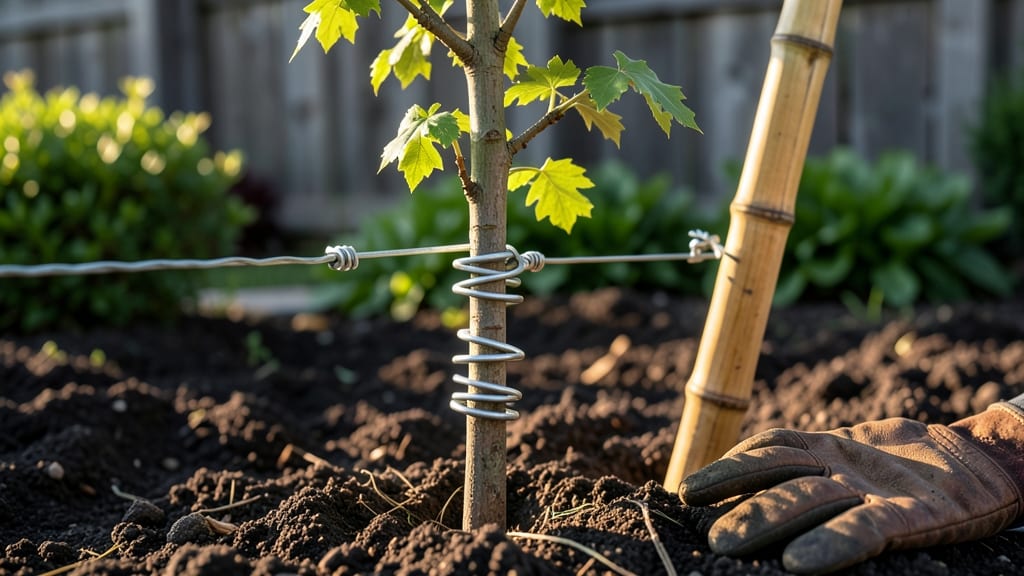
Tree stake wire is the unsung hero that keeps young trees growing straight instead of leaning like drunken sailors. 🌳 I’ve seen too many newly planted trees flop over or grow crooked because of poor support—and it’s heartbreaking to watch.
The right wire and installation can make the difference between a sturdy, upright tree and one that struggles for years to right itself.
You’ll need just a few simple supplies: durable tree stakes (at least 2 feet tall), soft tree stake wire (1/8-inch galvanized or plastic-coated), and some basic tools like pruners and a mallet.
The wire should be flexible enough to adjust as the tree grows but strong enough to hold it steady during wind or storms. Position stakes at a slight angle away from the tree trunk to prevent girdling, and bury them deep enough so they don’t wobble.
When securing the wire, leave room for the trunk to sway slightly—this helps strengthen the tree’s natural resilience. Loop the wire loosely around the trunk and attach it to the stakes with figure-eight patterns or soft ties.
Check the wire every few months, because as the tree grows, the wire can dig into the bark if left too tight. A little maintenance now means a healthier tree later.
For trees in windy areas, consider using multiple stakes or a tree guard to protect the trunk from rubbing against the wire. And if you’re planting a fast-growing species, you might need to adjust the stakes and wire more often.
The goal isn’t to strangle the tree—it’s to guide it gently until it’s strong enough to stand on its own.
📚 In This Guide
- What you need
- Instructions
- Tips and common mistakes
- Wrapping up and next steps
What you need
- ● Tree stake wire: 18-gauge galvanized or aluminum wire (100–200 ft roll, depending on project size). Pro tip: 💡 Choose galvanized for rust resistance if planting in wet soil.
- ● Tree stakes: 2–4 wooden or plastic stakes per tree (1–2 inches in diameter, 3–4 feet tall). Pro tip: 🌡️ Opt for wooden stakes if you want biodegradable support.
- ● Soft tree ties: 1-inch wide, stretchable fabric or rubber ties (1–2 per tree). Pro tip: ✨ Avoid wire or zip ties—they can girdle the tree as it grows!
- ● Measuring tape: 25-foot tape for precise spacing.
- ● Hammer or mallet: For driving stakes into the ground.
- ● Gloves: Heavy-duty work gloves to protect hands from wire and splinters.
- ○ Pruners (optional but handy): For trimming excess wire or ties.
- ● Wire cutters: For clean cuts if you need to trim the stake wire.
- ● Tree guard: Plastic or metal collars to protect the trunk from rubbing against stakes or wire.
- ● Soil stabilizer: Mulch or landscape fabric to prevent erosion around stakes.
- ○ Spray paint (optional): For marking stake locations in a row.
How to install tree stake wire for healthy, straight tree growth
Here's the simple method I use to keep young trees sturdy and upright—no guesswork involved.
🪴 Step 1: Choose the Right Wire and Stakes for Your Tree
Select galvanized tree stake wire that's 24-36 inches long—long enough to wrap around the trunk twice with room to spare. I like 1/8-inch diameter wire because it's strong enough to hold but flexible enough to adjust as the tree grows. Pair it with two sturdy wooden stakes (about 2 feet tall) that won't rot quickly.
Drive the stakes into the ground 6-12 inches apart, positioned 6-12 inches away from the tree trunk. The closer the stakes are to the trunk, the less chance the wire will dig in as the tree grows. Angle them slightly outward from the tree to create a stable triangle when you attach the wire.
✂️ Step 2: Attach the Wire Without Damaging the Bark
Wrap the wire around the tree trunk just above the stake level, leaving a 2-3 inch gap between the wire and the bark. This prevents rubbing that can scar the tree. Cross the ends of the wire and twist them tightly—but not so tight you can't slide your finger between them. You want firm but adjustable tension.
Thread the wire through the top of each stake, then wrap it around the stake once or twice before twisting the ends together. The wire should form a gentle V-shape when viewed from the side, guiding the tree upward without strain. If the wire feels too tight, loosen it immediately—you'll know it's right when the tree sways slightly but doesn't pop free.
🌱 Step 3: Secure the Tree and Check Weekly
Gently tie the tree trunk to the wire using soft tree ties (never wire directly to the trunk). These ties should be loose enough to slide two fingers between the tie and the bark. Check the wire tension every 7-10 days—as the tree grows, the wire may need adjusting to prevent constriction.
Watch for signs the wire is too tight: leaning, bark damage, or stunted growth. If you see any of these, loosen the wire immediately. The goal is to support, not restrict. Remove the stakes and wire once the tree can stand on its own—usually after 1-2 growing seasons when the trunk is 1-2 inches thick.
☀️ Step 4: Maintain and Remove Properly
Inspect the wire and stakes monthly for rust, loosening, or tree growth that might require adjustment. If the wire starts digging into the bark, cut it and replace it—never leave damaged wire in place. Water the tree deeply after installation to help it establish roots, but avoid overwatering, which can weaken the trunk.
When it's time to remove the supports, cut the wire first (don't pull it) to avoid damaging the bark. Then, gently pry the stakes out of the ground. You'll know the tree is ready when it bends but doesn't break when pushed slightly. This flexibility means the trunk has strengthened enough to stand alone.
Tips & tricks for perfect tree stake wire installation
A few simple adjustments make all the difference between a secure support system and one that could fail your tree.
Wire Selection Wisdom: The 24-36 inch length is perfect for wrapping around most young tree trunks twice, but if you're working with larger trees, consider extending to 36 inches. The 1/8-inch diameter wire provides the ideal balance—thick enough to hold but flexible enough to adjust as your tree grows. I've found that thicker wires (like 3/32-inch) work better for trees with trunks over 2 inches in diameter.
Stake Placement Strategy: When positioning your two stakes 6-12 inches apart and away from the trunk, think about creating a stable triangle. The stakes should be angled slightly outward to prevent them from pulling inward as the tree grows. I like to use a small level to ensure they're perfectly vertical before driving them in—this makes all the difference in long-term stability.
Bark Protection Secret: That 2-3 inch gap between the wire and bark in Step 2 is non-negotiable. I learned this the hard way when a wire cut into a young oak's bark, leaving a scar that took years to heal. Use a soft cloth or even a piece of old fabric as a buffer if you're concerned about the wire rubbing against the bark during windy conditions.
Maintenance Checklist: The monthly inspections mentioned in Step 4 are crucial—rust can weaken the wire, and tightening that's too loose can lead to instability. I keep a small toolkit handy with wire cutters, pliers, and extra soft tree ties for quick adjustments. If you notice the wire starting to sink into the bark, cut it immediately and replace it with a new section.
Pro Tips for Tree Stake Wire
- A few simple adjustments make all the difference between a secure support system and one that could fail your tree.
- Wire Selection Wisdom: The 24-36 inch length is perfect for wrapping around most young tree trunks twice, but if you'...
- Stake Placement Strategy: When positioning your two stakes 6-12 inches apart and away from the trunk, think about cre...
Frequently asked questions
Got questions about using tree stake wire? You’re not alone! Here are some of the most common concerns—and straightforward answers—to help you support your trees like a pro.
What’s the best time to install tree stake wire?
Install tree stake wire as soon as you notice leaning or weak growth, but avoid doing it during extreme weather (like freezing temps or drought). Early spring or late fall is ideal—when soil is workable but not too dry. For newly planted trees, stake them immediately after planting to prevent wind damage.
How tight should the wire be when staking?
The wire should be snug but not cutting into the trunk. Think of it like a gentle hug—firm enough to stabilize without restricting growth. Use a rubber tree collar or soft fabric between the wire and bark to prevent abrasions. Check tightness every few weeks and loosen if the tree straightens.
Can I reuse tree stake wire from last year?
Reusing wire is fine if it’s still flexible and rust-free, but inspect it first for fraying or sharp edges. If the wire is kinked or weakened, replace it—safety (and tree health) comes first! A fresh roll ensures even tension and lasts longer, especially in windy conditions.
What’s a good alternative if I don’t have tree stake wire?
No wire? No problem! Try these DIY fixes:
- Burlap straps: Tie loosely around the trunk and stake to the ground.
- PVC pipes: Cut into slats and lash to the tree with soft rope.
- Tree ties: Sold at garden centers, these stretchy bands distribute pressure evenly.
Why is my tree leaning even after staking?
Leaning can happen if the wire is too loose, the stakes aren’t deep enough (6+ inches), or the tree’s root system is still weak. Check for soil erosion around the base—add mulch to stabilize roots. If the lean is severe, consider gradual adjustment over months rather than forcing it straight immediately.
Still stumped? Drop your question below—we’re happy to help your trees stand tall!
Wrapping up and next steps
Using tree stake wire is a game-changer for nurturing healthy, straight trees—whether you're a seasoned gardener or just starting out. 🌱 With the right materials, proper technique, and a little patience, you’ll see strong, upright growth that stands the test of time.
Ready to give your trees the support they deserve?
Your next step? Grab your supplies, follow the steps, and watch your trees thrive! Happy planting!