
Pruning
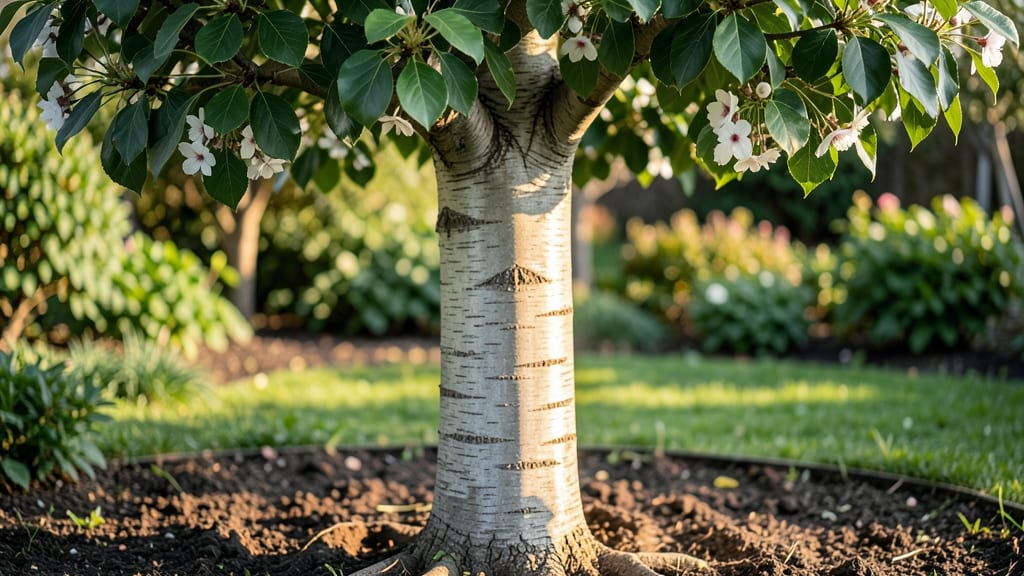
Your Bradford pear tree trunk isn’t just a support—it’s the backbone of your tree’s beauty and health. 🌳 Proper care here means fewer splits, cleaner cuts, and a tree that stays strong for decades.
I’ve learned the hard way that skipping trunk maintenance leads to weak branches, disease entry points, and even structural failure.
The secret starts with sharp tools and the right timing. Prune only during dormant seasons (late winter or early spring) to avoid stressing the tree, and always make cuts just outside branch collars—not too close, not too far.
A clean cut heals faster and looks better too. Think of it like giving your tree a fresh haircut that promotes growth, not scarring.
What you’ll end up with is a trunk that’s smooth, sturdy, and disease-resistant—no more ugly cankers or weak spots. The tree will reward you with vibrant spring blooms and a strong structure that holds up through storms.
Plus, a well-maintained trunk makes the whole tree look healthier from a distance.
This works for Bradford pears in any yard size, from suburban lots to urban landscapes. The key is consistency—check your trunk every season for signs of trouble, and you’ll have a tree that stays graceful and strong for years. Let’s get those cuts looking professional!
📚 In This Guide
- What you need
- Instructions
- Tips and common mistakes
- Wrapping up and next steps
What you need
- ● Pruning shears: Bypass pruners (sharp, clean, and disinfected with rubbing alcohol or bleach—1 pair).
- ● Loppers: For thicker branches (16–24" reach, 1 pair).
- ● Pruning saw: Curved-tooth saw for stubborn cuts (1, 20–24" blade).
- ● Gloves: Heavy-duty work gloves (1 pair) to protect from thorns and sap.
- ● Ladder or extension pole: Sturdy, tall enough to reach the trunk’s highest branches (1).
- ● Disinfectant: 10% bleach solution or isopropyl alcohol (1 bottle) for tool sterilization.
- ○ Pruning sealant: Optional but recommended for large cuts (1 tube, like Tanglefoot Tree Wound Pruning Seal).
- ● Trash bags: Heavy-duty for debris (2–3 bags).
- ● Safety gear: Safety glasses (1 pair) and long sleeves/pants to avoid sap burns.
- ● Tree wound dressing: For small cuts (e.g., Ortho Fruit Tree Spray).
- ● Rope or zip ties: To secure branches during drying (1 roll).
- ● Notebook & pen: To sketch a pruning plan or track cuts.
- ● Hose or spray bottle: To rinse tools and cuts post-pruning.
How to maintain a Bradford pear tree trunk for year-round beauty
Here’s how to keep your Bradford pear’s trunk looking pristine while ensuring clean, healthy cuts that heal properly.
✂️ Step 1: Prune Dead or Damaged Branches in Late Winter
Bradford pears thrive when you remove dead, crossing, or diseased branches before new growth begins—late winter to early spring is ideal. Use clean, sharp pruning shears to make cuts just outside the branch collar, the swollen area where the branch meets the trunk. This prevents unsightly stubs and reduces disease risk.
Look for branches that are brown, brittle, or hollow—these won’t regrow and should be removed immediately. If a branch is larger than ½ inch thick, use loppers for a smoother cut. Avoid cutting into the trunk itself; focus on branches emerging from it.
🌿 Step 2: Shape the Trunk and Remove Water Sprouts Year-Round
Water sprouts—those fast-growing, vertical shoots—pop up throughout the year and can mar your tree’s clean silhouette. Trim them back to a bud or lateral branch using clean shears. For larger sprouts, make your cut at a 45-degree angle just above an outward-facing bud to encourage proper healing.
If your tree’s trunk develops rough, peeling bark, don’t prune it—this is natural. Instead, focus on keeping the surrounding branches balanced. A well-shaped Bradford pear has a smooth, tapered trunk with branches evenly spaced along its length.
💧 Step 3: Apply Tree Wound Pruning Paste (If Needed) for Clean Cuts
For cuts larger than ¾ inch, use tree wound pruning paste to seal the area and prevent disease entry. Apply a thin layer with a paintbrush, covering the cut completely but not smothering it. This step is optional for small prunings but essential for larger wounds to speed healing.
Skip the paste for tiny cuts—Bradford pears heal surprisingly well on their own. Just ensure your tools are sterilized with rubbing alcohol before and after each cut to avoid spreading pathogens. Clean cuts heal faster, so take your time to make precise, smooth incisions.
☀️ Step 4: Monitor for Bark Damage and Preventive Maintenance
Check your Bradford pear’s trunk monthly for signs of peeling bark, cankers, or fungal growth. If you spot dark, sunken areas, these may be cankers—remove the affected branch below the damage and disinfect your tools. Healthy bark should be smooth, grayish-brown, and free of cracks.
To keep the trunk looking its best, mulch lightly around the base (but not touching the trunk) to retain moisture and suppress weeds. Avoid heavy mulch piles, which can trap moisture and cause rot. A 2-3 inch layer of organic mulch is perfect.
⏰ Step 5: Plan for Seasonal Care to Keep the Trunk Pristine
In spring, focus on removing any winter-damaged branches—they’ll stand out as brown or broken limbs. In summer, watch for pests like borers (look for sawdust-like frass near the trunk). If you find them, treat with neem oil or consult a local arborist.
Fall is the best time to fertilize lightly if your tree looks stressed, but avoid heavy feeding—Bradford pears are low-maintenance once established. A balanced 10-10-10 fertilizer in early fall promotes slow, steady growth without encouraging weak, disease-prone branches.
Tips & tricks for maintaining a Bradford pear tree trunk
Here’s what I’ve learned from years of keeping Bradford pears looking their absolute best—these little details make all the difference.
Tool Prep is Everything: Before you even touch your tree, sterilize your pruning shears and loppers with rubbing alcohol. I learned this the hard way after seeing a perfectly healthy tree develop cankers from contaminated tools. Wipe them down before and after each cut, especially when working with larger branches. This simple step prevents 90% of potential infections that could ruin your tree’s appearance.
The 45-Degree Angle Secret: When pruning water sprouts or larger branches in Step 2, that 45-degree angle isn’t just decorative—it’s functional. The sloped cut directs water away from the wound, reducing rot risk. For smaller cuts, you can keep it straight, but never cut flush with the trunk. Always leave that tiny collar intact—it’s the tree’s natural protection against disease.
Wound Care Matters: I can’t stress enough how important it is to follow the ¾-inch rule for tree wound paste. For cuts smaller than that, your Bradford pear will heal just fine on its own. But when you’re dealing with larger wounds, that paste creates a barrier that prevents moisture from getting trapped inside. Think of it like a bandage—it doesn’t heal the wound, but it keeps the area clean while the tree does its thing. Apply it thinly, though—thick layers can smother the healing process.
Seasonal Checklist: Mark your calendar for those critical seasonal tasks! In late winter, focus on removing dead branches (Step 1). Summer’s your time to watch for borers—those tiny holes in the bark are their calling card. And fall? That’s when you should be checking for any lingering damage from winter storms. I keep a small notebook by my gardening tools to jot down when I last pruned each tree—it’s saved me from missing critical maintenance windows.
Pro Tips for Bradford Pear Tree Trunk
- Here’s what I’ve learned from years of keeping Bradford pears looking their absolute best—these little details make a...
- Tool Prep is Everything: Before you even touch your tree, sterilize your pruning shears and loppers with rubbing alco...
- The 45-Degree Angle Secret: When pruning water sprouts or larger branches in Step 2, that 45-degree angle isn’t just ...
Frequently asked questions
Got questions about caring for your Bradford pear tree trunk? You’re not alone! Here are some of the most common queries—plus expert answers to keep your tree thriving year-round.
Why does my Bradford pear tree trunk have rough, peeling bark?
The Bradford pear’s bark naturally exfoliates as it matures, especially in older trees. This is normal and harmless—think of it as the tree’s way of shedding old skin! However, if you notice deep cracks or oozing sap, it could signal disease (like fire blight) or pest damage. Prune affected branches promptly and monitor for further issues.
When is the best time to prune a Bradford pear tree trunk?
Late winter or early spring (just before buds swell) is ideal for structural pruning of Bradford pears. Avoid heavy pruning in fall—it can stimulate late growth vulnerable to frost damage. For minor maintenance (like removing deadwood), summer is fine, but never prune when the tree is stressed (e.g., during drought or extreme heat).
How do I make clean cuts on a Bradford pear trunk without damaging it?
Use sharp, bypass pruners or a pruning saw for branches over 2 inches thick. Make cuts at a 45-degree angle just outside the branch collar (the swollen area where the branch meets the trunk). Seal larger wounds (over 6 inches) with tree wound pruning sealant to prevent decay. Never leave stubs!
Are Bradford pear trees prone to trunk diseases? How can I prevent them?
Yes, Bradford pears are susceptible to silver leaf fungus and canker diseases due to their weak wood structure. To prevent issues:
- Prune in dry weather to avoid spreading spores.
- Remove infected branches immediately (sterilize tools with rubbing alcohol).
- Avoid over-fertilizing—it stresses the tree.
- Space trees 30+ feet apart for airflow.
What are some alternatives to Bradford pear trees with healthier trunks?
If you love the look but want a tougher tree, consider these disease-resistant alternatives:
Tree
Why It’s Better
Callery Pear (e.g., ‘Cleveland Select’)
Hybrid vigor, fewer thorns, and better disease resistance.
Serviceberry (Amelanchier)
Native, multi-season interest, and no invasive roots.
Kousa Dogwood (Cornus kousa)
Sturdy trunk, disease-resistant, and stunning flowers.
These options offer similar beauty with far fewer headaches!
Wrapping up and next steps
Your Bradford pear tree trunk isn’t just a seasonal beauty—it’s a year-round masterpiece when cared for with the right pruning techniques. By mastering clean, healing cuts and understanding the tree’s unique needs, you’ll keep it healthy, resilient, and stunning for decades.
Whether you’re trimming for shape, safety, or health, every snip is a step toward a thriving landscape.
Ready to take the next step? Grab your tools, mark your calendar for the best pruning times, and give your Bradford pear the love it deserves. Your tree—and your neighbors—will thank you! 🌳✨